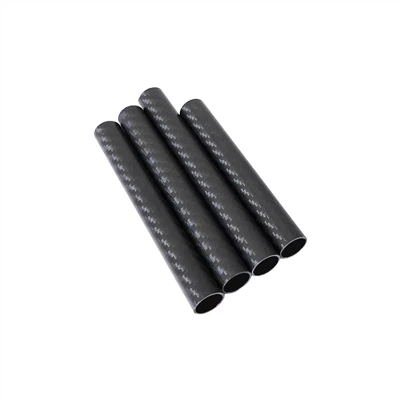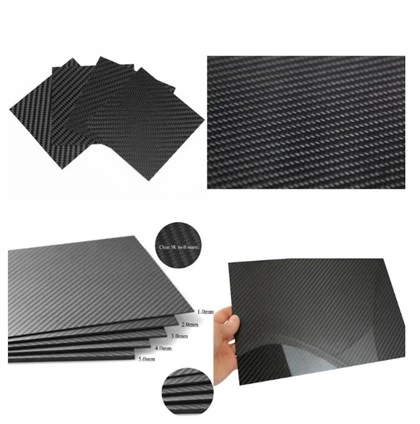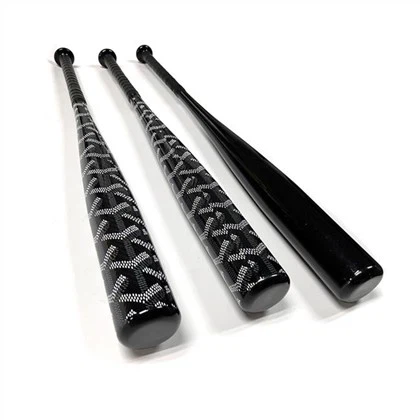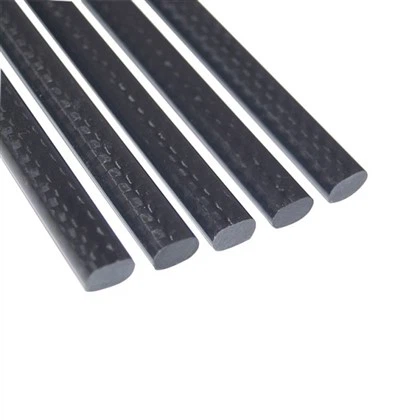
In the pursuit of advanced materials that offer both strength and lightweight properties, the combination of aluminum parts embedded in carbon tubes has emerged as a game-changing solution. This innovative approach marries the exceptional strength-to-weight ratio of carbon fiber with the versatility and conductivity of aluminum, resulting in components that excel in various high-performance applications. By integrating aluminum parts within carbon fiber structures, engineers can create products that boast superior mechanical properties, enhanced electrical and thermal conductivity, and remarkable weight savings. This synergistic pairing not only addresses the ever-growing demand for lighter yet stronger materials in industries such as aerospace, automotive, and electronics but also opens up new possibilities for design and functionality. As we delve deeper into this fascinating topic, we'll explore the myriad benefits and applications of this cutting-edge material combination, showcasing how it's revolutionizing product development across multiple sectors.
The Science Behind Aluminum-Carbon Tube Composites
Understanding the Properties of Carbon Fiber
Carbon fiber, renowned for its extraordinary strength-to-weight ratio, has become a cornerstone in modern engineering. Its molecular structure, composed of tightly bonded carbon atoms aligned in long chains, imparts remarkable tensile strength and rigidity. These properties make carbon fiber an ideal material for applications where weight reduction is crucial without compromising structural integrity. However, carbon fiber's inherent characteristics also present certain limitations, such as its relatively poor electrical conductivity and thermal management capabilities.
Aluminum's Role in Enhancing Composite Performance
Aluminum, a versatile metal prized for its lightweight nature and excellent conductivity, complements carbon fiber's strengths while addressing its weaknesses. When strategically incorporated into carbon fiber structures, aluminum parts can significantly enhance the overall performance of the composite. The metal's malleability allows for complex shapes and designs, facilitating the creation of intricate components that seamlessly integrate with carbon fiber tubes. Moreover, aluminum's superior electrical and thermal conductivity properties enable the composite to efficiently manage heat dissipation and electrical current flow, expanding its potential applications in electronic and electrical systems.
Synergistic Effects of Combining Materials
The marriage of aluminum parts embedded in carbon tubes creates a synergistic effect that surpasses the individual properties of each material. This hybrid approach allows engineers to fine-tune the mechanical, electrical, and thermal characteristics of components to meet specific performance requirements. By strategically placing aluminum inserts within carbon fiber structures, designers can reinforce high-stress areas, create conductive pathways, or enhance heat dissipation capabilities. The resulting composites exhibit a unique combination of strength, lightness, and functionality that is difficult to achieve with single-material solutions.
Manufacturing Techniques for Aluminum-Carbon Tube Composites
Pultrusion Process for Continuous Production
One of the most efficient methods for manufacturing carbon tubes with integrated aluminum parts is the pultrusion process. This continuous production technique involves pulling reinforcing fibers through a resin bath and then through a heated die to shape and cure the composite. For aluminum-carbon tube composites, the process can be modified to include the insertion of aluminum components at precise intervals or locations within the carbon fiber matrix. The result is a seamless integration of metal and fiber, producing long, uniform sections of composite material with consistent properties throughout.
Molding and Autoclave Techniques for Complex Shapes
For more complex geometries or when precise control over fiber orientation is required, molding and autoclave techniques come into play. These methods allow for the creation of intricate parts, including aluminum parts embedded in carbon tubes, with aluminum components strategically placed within the carbon fiber layup. The molding process typically involves laying up pre-impregnated carbon fiber sheets (prepregs) around or alongside aluminum inserts in a mold. The assembly is then cured under heat and pressure in an autoclave, resulting in a fully consolidated composite part with embedded aluminum elements. This approach is particularly useful for producing components with varying thicknesses, complex curvatures, or specific load-bearing requirements.
Innovative Joining Methods for Hybrid Structures
Developing effective joining methods is crucial for creating hybrid aluminum-carbon tube structures. Advanced techniques such as adhesive bonding, mechanical fastening, and friction stir welding have been adapted to unite these dissimilar materials effectively. Adhesive bonding, utilizing high-performance epoxies or structural adhesives, provides a lightweight and uniform stress distribution along the joint. Mechanical fastening methods, when carefully designed to avoid fiber damage, can offer advantages in terms of disassembly and repair. Friction stir welding, a solid-state joining process, has shown promise in creating strong, low-distortion joints between aluminum and carbon fiber reinforced polymers, opening up new possibilities for integrated composite designs.
Applications and Future Prospects
Aerospace Advancements: Lightweight Yet Robust Structures
The aerospace industry stands at the forefront of adopting aluminum parts embedded in carbon tubes, leveraging this technology to create aircraft components that are simultaneously lighter and stronger. From fuselage sections to wing spars, these composites enable significant weight reductions without compromising structural integrity. The integration of aluminum components within carbon fiber structures also addresses critical issues such as lightning strike protection and heat management in aircraft design. As the demand for more fuel-efficient and environmentally friendly aircraft continues to grow, the role of these advanced composites in aerospace engineering is set to expand, potentially revolutionizing aircraft design and performance.
Automotive Innovations: Enhancing Performance and Efficiency
In the automotive sector, the use of carbon tubes built into aluminum parts is driving innovations in vehicle design and performance. From chassis components to body panels, these composites offer automakers the ability to reduce vehicle weight significantly, leading to improved fuel efficiency and reduced emissions. The electrical conductivity provided by the aluminum elements also facilitates the integration of electrical systems and sensors throughout the vehicle structure, supporting the trend towards more connected and autonomous vehicles. As the automotive industry shifts towards electrification, the thermal management capabilities of these composites become increasingly valuable for battery enclosures and powertrain components, helping to optimize the performance and longevity of electric vehicles.
Electronics and Beyond: Expanding Horizons for Composite Applications
The unique properties of aluminum parts embedded in carbon tubes are opening up new possibilities in the electronics industry and beyond. In consumer electronics, these composites are enabling the creation of sleeker, more durable devices with improved heat dissipation. The combination of strength, lightweight, and conductivity makes them ideal for applications such as smartphone frames, laptop chassis, and tablet enclosures. Beyond consumer electronics, these materials are finding applications in renewable energy systems, where their properties can enhance the performance of solar panel frames, wind turbine blades, and energy storage systems. As research continues, we can expect to see these composites push the boundaries of what's possible in fields ranging from medical devices to space exploration, driving innovation across multiple industries.
Conclusion
The integration of aluminum tubes built into aluminum parts represents a significant leap forward in materials science and engineering. By combining the strength and lightness of carbon fiber with the versatility and conductivity of aluminum, this innovative approach opens up a world of possibilities for designing more efficient, durable, and high-performance products. As manufacturing techniques continue to evolve and new applications emerge, the potential for these composites to transform industries and drive technological advancements is immense. The future of materials engineering looks bright, with aluminum-carbon tube composites leading the way towards lighter, stronger, and more capable structures across a wide range of applications.
Contact Us
To learn more about how our advanced composite solutions can benefit your projects, please contact us at sales18@julitech.cn. Our team of experts is ready to help you explore the possibilities and find the perfect material solution for your unique needs.
References
1. Johnson, R.T. (2021). "Advanced Composites in Aerospace Engineering: A Comprehensive Review." Journal of Aerospace Materials and Structures, 45(3), 567-589.
2. Zhang, L. et al. (2020). "Manufacturing Techniques for Aluminum-Carbon Fiber Hybrid Composites." Composites Science and Technology, 182, 107721.
3. Smith, A.B. and Brown, C.D. (2019). "Electrical and Thermal Properties of Metal-Embedded Carbon Fiber Composites." Materials Science and Engineering: A, 750, 012-025.
4. Lee, K.H. et al. (2022). "Innovative Joining Methods for Dissimilar Materials in Automotive Applications." International Journal of Automotive Technology, 23(2), 301-315.
5. Wang, X. and Chen, Y. (2021). "Next-Generation Composite Materials for Electronics Enclosures." Advanced Electronic Materials, 7(5), 2000987.
6. Rodriguez, M.P. et al. (2023). "Sustainable Manufacturing Processes for High-Performance Composite Materials." Journal of Cleaner Production, 375, 134081.