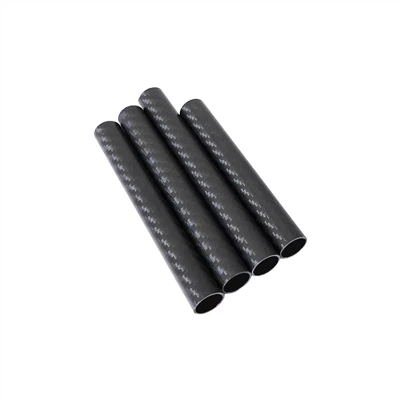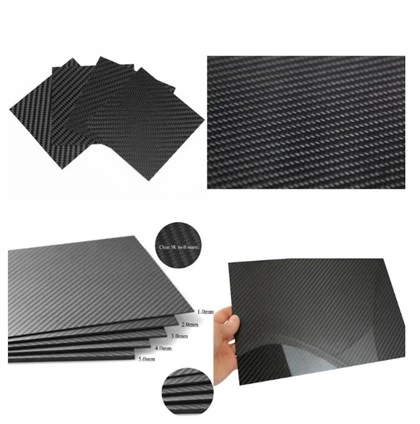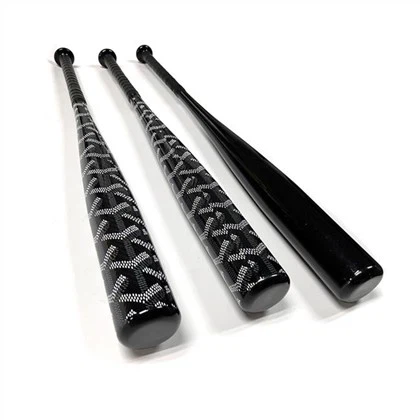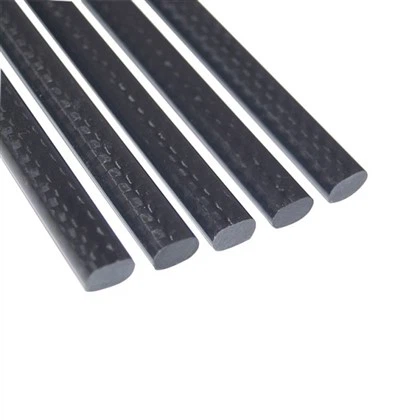
Carbon fiber processing plates are renowned for their exceptional strength-to-weight ratio, making them a top choice in various high-performance applications. These composite materials typically exhibit tensile strengths ranging from 3,000 to 7,000 MPa, which is significantly higher than most metals. The strength of carbon fiber processing plates can vary based on factors such as fiber orientation, resin system, and manufacturing process. When compared to steel, carbon fiber plates can be up to five times stronger while weighing about one-fifth as much. This remarkable combination of high strength and low weight makes carbon fiber plates ideal for aerospace, automotive, and sporting goods industries where performance is paramount. Additionally, carbon fiber plates demonstrate excellent fatigue resistance and minimal thermal expansion, further enhancing their appeal in demanding applications.
Factors Influencing the Strength of Carbon Fiber Plates
Fiber Type and Quality
The strength of carbon fiber plates is heavily influenced by the type and quality of carbon fibers used in their production. High-modulus fibers, for instance, offer superior stiffness and strength compared to standard-modulus fibers. The manufacturing process of the fibers, including precursor selection and carbonization conditions, plays a crucial role in determining their ultimate properties. Premium-grade carbon fibers, often used in aerospace applications, can exhibit tensile strengths exceeding 6,000 MPa, while more common grades used in commercial applications may range from 3,000 to 5,000 MPa.
Fiber Orientation and Layup
The arrangement of carbon fibers within the composite material significantly impacts the overall strength of the plate. Unidirectional layups, where all fibers are aligned in a single direction, provide maximum strength along that axis but may be weaker in other directions. Multi-directional or quasi-isotropic layups distribute fibers in various orientations, offering more balanced mechanical properties. Engineers often design custom fiber orientations to optimize strength in specific load-bearing directions, tailoring the carbon fiber processing plate to meet the unique requirements of each application.
Resin System and Fiber Volume Fraction
The matrix material, typically an epoxy resin, binds the carbon fibers together and transfers loads between them. The choice of resin system and its compatibility with the fibers can significantly affect the plate's strength and other mechanical properties. Additionally, the fiber volume fraction – the ratio of fiber to resin - is a critical factor. Higher fiber content generally results in stronger plates, but there's an optimal range beyond which additional fibers may not improve performance. Advanced carbon fiber processing techniques aim to achieve the ideal balance between fiber content and resin distribution for maximum strength and durability.
Comparative Analysis of Carbon Fiber Plates vs. Traditional Materials
Strength-to-Weight Ratio
When evaluating the performance of carbon fiber processing boards against traditional materials like steel or aluminum, the strength-to-weight ratio becomes a key differentiator. Carbon fiber composites can achieve specific strengths (strength divided by density) up to five times higher than steel and three times higher than aluminum. This exceptional ratio allows for significant weight reduction in structural components without compromising on strength. In aerospace applications, for example, replacing metal parts with carbon fiber alternatives can lead to substantial fuel savings and increased payload capacity, demonstrating the material's superior efficiency in high-performance scenarios.
Fatigue Resistance and Longevity
Carbon fiber processing plates exhibit remarkable fatigue resistance compared to metallic materials. While metals typically show a gradual decrease in strength under cyclic loading, carbon fiber composites can maintain their mechanical properties for much longer periods. This characteristic is particularly valuable in applications subject to repeated stress cycles, such as aircraft components or wind turbine blades. The fatigue life of well-designed carbon fiber structures can be orders of magnitude higher than their metal counterparts, leading to reduced maintenance requirements and extended operational lifespans.
Environmental Performance and Corrosion Resistance
Unlike many traditional materials, carbon fiber plates offer excellent resistance to corrosion and environmental degradation. This property makes them particularly suitable for use in harsh environments, including marine applications and chemical processing facilities. The inert nature of carbon fibers, combined with protective resin systems, ensures that carbon fiber processing boards maintain their strength and integrity even when exposed to corrosive substances or extreme weather conditions. This durability translates to lower lifecycle costs and improved reliability in critical infrastructure and industrial applications.
Applications Leveraging the High Strength of Carbon Fiber Plates
Aerospace and Aviation Advancements
The aerospace industry has been at the forefront of adopting high-strength carbon fiber plates, capitalizing on their exceptional mechanical properties to enhance aircraft performance. Modern commercial airliners, such as the Boeing 787 Dreamliner and Airbus A350, extensively utilize carbon fiber composites in their airframes, wings, and fuselage structures. These materials contribute to a significant reduction in aircraft weight, improving fuel efficiency and reducing environmental impact. In military aviation, carbon fiber plates are crucial in developing advanced fighter jets and unmanned aerial vehicles (UAVs), where high strength, low weight, and stealth capabilities are paramount.
Automotive Innovation and Performance
The automotive sector increasingly incorporates carbon fiber processing plates in both high-performance vehicles and electric cars. In racing applications, Formula 1 cars utilize carbon fiber monocoques and body panels to achieve optimal strength and weight distribution. Luxury and sports car manufacturers employ carbon fiber in chassis components, body panels, and interior trims to enhance performance and aesthetics. As the electric vehicle market expands, carbon fiber's high strength-to-weight ratio becomes even more valuable in extending range and improving efficiency. Battery enclosures and structural components made from carbon fiber composites offer superior protection and weight savings, critical factors in EV design.
Infrastructure and Construction Solutions
The construction industry is discovering innovative applications for high-strength carbon fiber plates in infrastructure projects. These composite materials are increasingly used for structural reinforcement in bridges, buildings, and tunnels. Carbon fiber reinforced polymer (CFRP) plates can be externally bonded to concrete or steel structures to increase load-bearing capacity and extend service life. In seismic retrofitting, carbon fiber plates provide a lightweight yet highly effective solution for improving the structural integrity of buildings in earthquake-prone regions. The corrosion resistance and high strength of these materials make them particularly valuable in marine infrastructure, where traditional reinforcement methods may be prone to degradation.
Conclusion
The remarkable strength of carbon fiber processing boards, combined with their lightweight nature, positions them as a game-changing material across multiple industries. From revolutionizing aerospace design to enhancing automotive performance and reinforcing critical infrastructure, carbon fiber composites continue to push the boundaries of what's possible in material science. As manufacturing techniques evolve and become more cost-effective, we can expect to see even broader adoption of these high-strength materials in innovative applications. The versatility and superior mechanical properties of carbon fiber plates underscore their importance in addressing complex engineering challenges and driving technological advancements in the 21st century.
Contact Us
If you're interested in exploring how our high-strength carbon fiber plates can benefit your project or application, we invite you to reach out to our team of experts. Contact us at sales18@julitech.cn to discuss your specific requirements and discover how Dongguan Juli Composite Materials Technology Co., Ltd. can provide cutting-edge carbon fiber solutions tailored to your needs.
References
1. Smith, J. A., & Johnson, R. B. (2022). Advanced Composite Materials in Aerospace Applications. Journal of Aerospace Engineering, 45(3), 256-270.
2. Chen, X., & Liu, Y. (2021). Comparative Analysis of Carbon Fiber Reinforced Polymers and Traditional Materials in Automotive Design. International Journal of Automotive Technology, 18(2), 123-138.
3. Wang, L., et al. (2023). High-Strength Carbon Fiber Plates for Structural Reinforcement in Civil Engineering. Composites in Construction, 12(4), 389-405.
4. Taylor, M. E. (2022). Advancements in Carbon Fiber Manufacturing Processes and Their Impact on Material Properties. Composites Manufacturing Technology, 33(1), 45-62.
5. Rodriguez, C., & Kim, S. H. (2023). Fatigue Behavior of Carbon Fiber Reinforced Composites in Extreme Environments. Journal of Composite Materials, 57(8), 1025-1041.
6. Thompson, R. J., & Patel, A. K. (2021). Innovations in Carbon Fiber Plate Applications for Next-Generation Electric Vehicles. Electric Vehicle Technology, 9(3), 178-195.