When people talk about carbon fiber, many people immediately think of luxury sports cars, aerospace components, and high-end bicycles. This perception has led to a widespread belief that carbon fiber is an exclusive material, something only the wealthy can afford. But is this really the case?
But this is not the case. Although carbon fiber initially developed in elite fields such as aerospace and motorsports, technological advances and cost reductions have expanded its influence to consumer products, infrastructure, and even everyday items. This article will focus on the application of carbon fiber in different industries and explore why its future is not limited to the high-end market.
Myth 1: Carbon fiber is only found in luxury cars and aerospace
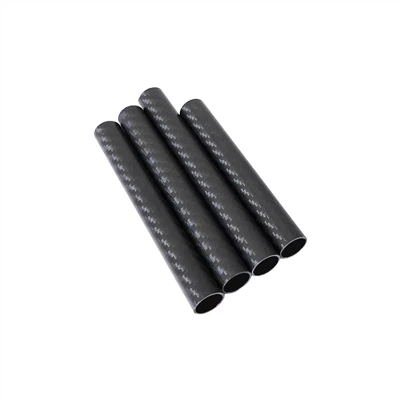
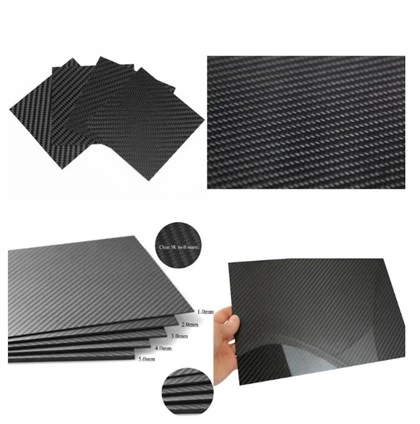
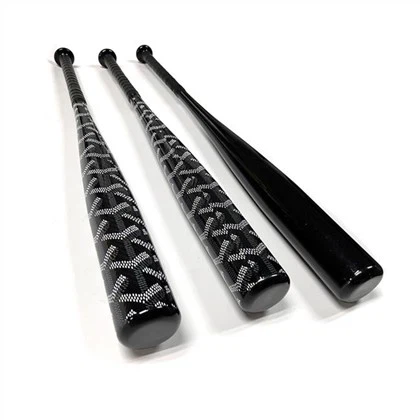
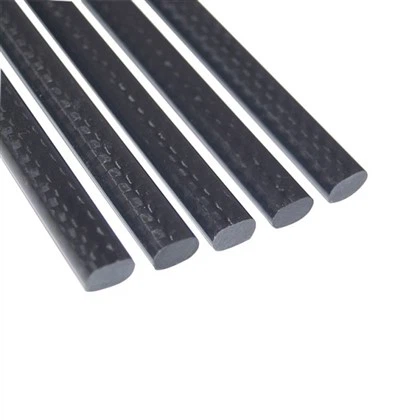
Carbon fiber has long been commonly found in cutting-edge engineering applications such as Formula 1 racing cars, fighter jets, and spacecraft. This background led to the misconception that carbon fiber was a material reserved for high-end technology. However, its applications have evolved beyond aerospace. Today, a wide range of sporting equipment, from tennis rackets and golf clubs to fishing rods, benefits from carbon fiber's lightness and strength. In consumer electronics, carbon fiber is being used in keyboards, mobile phone cases, and laptop casings. Even medical devices, such as prosthetic limbs and X-ray table supports, utilize the material due to its unique strength and radiolucency.
Myth 2: Carbon fiber is too expensive for everyday items
There has long been a misconception that carbon fiber is expensive and unsuitable for mass production. Indeed, in its early stages, production costs remained high due to the energy-intensive process required to produce its precursor, polyacrylonitrile (PAN). However, with continuous advancements in manufacturing technology, the cost of carbon fiber has continued to decline. The use of automated production lines, more economical precursor materials, and recycled carbon fiber have significantly reduced prices. Today, consumers can purchase carbon fiber products such as phone cases, musical instrument accessories, and even carbon fiber wallets for less than $50. For example, in the case of sports equipment, an aluminum tennis racket costs approximately $80, while the carbon fiber version costs around $120. While this slightly higher cost offers significant improvements in durability and performance. This narrowing price gap indicates that carbon fiber is becoming increasingly accessible and accessible.
Myth 3: Carbon fiber is only good for strength and weight reduction
Carbon fiber's most widely known advantage is its exceptional strength-to-weight ratio, but that's not its only value. In fact, this material's capabilities extend far beyond this. It offers excellent corrosion resistance, thermal stability, and exceptional fatigue resistance (its ability to withstand repeated load cycles). These properties not only make carbon fiber reliable in everyday applications, but often outperform traditional materials. Wind turbine blades, for example, experience millions of stress cycles over decades of operation, and carbon fiber's excellent fatigue resistance significantly extends their service life. Similarly, in consumer electronics, carbon fiber casings reduce heat conduction, helping to prevent devices from overheating.
Myth 4: Carbon fiber cannot compete with traditional materials in terms of cost-effectiveness
Arguments often point out that while carbon fiber offers superior performance compared to steel or aluminum, its higher price undermines these advantages. However, when viewed from a lifecycle cost perspective, carbon fiber is often more competitive. According to a 2022 study in Composites Magazine, carbon fiber-reinforced polymer (CFRP) structures can last two to three times longer than aluminum under the same stress conditions. This longevity not only reduces replacement frequency and associated downtime, but also improves return on investment. Meanwhile, carbon fiber's lightweight properties offer additional indirect benefits: lower fuel consumption in vehicles, reduced shipping costs, and more energy-efficient consumer electronics. These long-term savings often offset or even exceed the initial price difference.
Myth 5: Carbon fiber demand is limited to niche markets
Quite the opposite is true. According to a 2024 report by Grand View Research, the carbon fiber market is expected to expand rapidly due to widespread applications in wind energy, civil engineering, medical technology, and consumer goods. The research forecasts a 10.6% compound annual growth rate (CAGR) from 2023 to 2030, driven primarily by mainstream applications. For example, in the renewable energy sector, carbon fiber is used to manufacture wind turbine blades that can reach up to 100 meters in length, where lightweighting and durability are crucial. In the automotive industry, carbon fiber is increasingly being incorporated into electric vehicle (EV) battery casings to help balance the additional weight of large batteries.
Myth 6: Carbon fiber is not environmentally sustainable
Critics often argue that carbon fiber is difficult to recycle and therefore environmentally unfriendly. While recycling carbon fiber presents challenges, the industry has made significant progress. Recycled carbon fiber can be produced by recovering fibers from end-of-life composites and then reusing them in new applications. CompositesWorld (2023) reports that the global recycled carbon fiber market is expected to exceed $1 billion by 2035. Furthermore, carbon fiber products have a longer lifespan than plastic or metal, requiring less frequent replacement and indirectly contributing to waste reduction. Research into bio-based carbon fiber precursors also shows promise for improving sustainability.
The application of carbon fiber from high-end to daily
Automotive industry
Carbon fiber's application is no longer limited to luxury cars and racing vehicles; it is now gradually entering mainstream vehicles to improve fuel efficiency and overall performance. By reducing vehicle weight, carbon fiber components can effectively reduce fuel consumption and greenhouse gas emissions. This trend is becoming increasingly prominent with the rapid development of electric vehicles (EVs), as lightweight design plays a key role in extending battery range.
Sports Industry
From bicycle frames and tennis rackets to fishing rods and skis, carbon fiber has revolutionized the sporting goods industry by creating lighter, stronger, and more responsive devices.
Buildings and Infrastructure
In civil engineering, carbon fiber-reinforced polymers (CFRP) are widely used to strengthen and repair existing structures, such as bridges and buildings. With their excellent durability and corrosion resistance, these materials can significantly extend the service life of critical infrastructure while providing a more cost-effective alternative to traditional repair methods.
FQA
Q:Is carbon fiber too fragile for everyday use?
A:No. Despite its light weight, carbon fiber's fatigue resistance surpasses many metals. Properly designed, it can withstand decades of daily use.
Q:Can carbon fiber replace plastic in low-cost products?
A:In many cases, yes. With carbon fiber reinforced plastics (CFRP), manufacturers can blend fibers with resins to achieve a balance of performance and economics.
Q:Is the carbon fiber industry future-proof?
A:Absolutely. With continued innovation in recycling and production, carbon fiber is poised for sustainable mainstream growth.
Conclusion
The perception that carbon fiber is confined to high-end products stems more from its historical applications than its current reality. Today, carbon fiber demonstrates its value in everyday life, from sports equipment to renewable energy facilities, prosthetic limbs to consumer electronics. With declining production costs and expanding applications, this material is evolving from a once-elite niche to a mainstream force driving innovation. Its durability, versatility, and sustainability suggest that carbon fiber's future lies not just in luxury products but also in mass and accessible applications.
Contact us
If you would like to learn more about the applications of carbon fiber in our daily lives, please contact us via email: sales18@julitech.cn or WhatsApp: +86 18822947075. We are Juli Composite Materials Technology Co., Ltd. in Dongguan, China. Founded in 2011, we have over 10 years of industry experience. We welcome you to visit our factory in China.