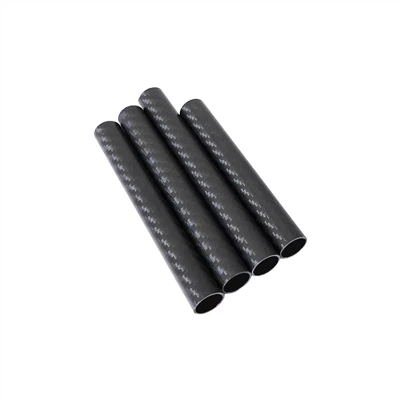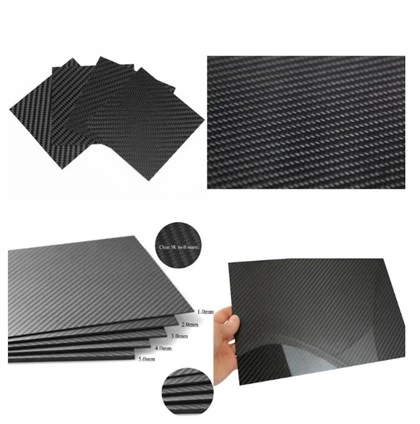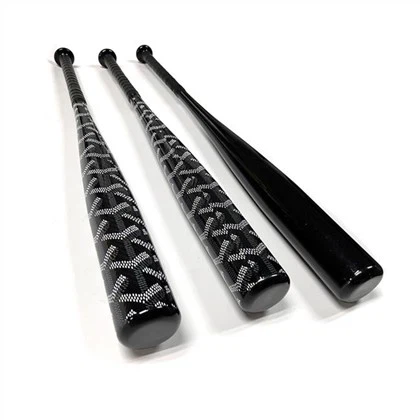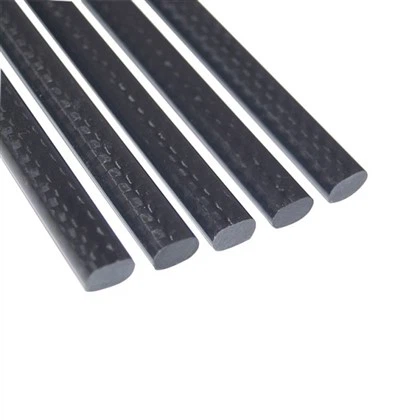
In modern material applications, fiberglass and carbon fiber rods are two widely used composite materials. They are popular in the market for their light weight, high strength, and excellent corrosion resistance, but there are significant differences in their specific performance, cost, and application. A common question for buyers and end users is: should they choose fiberglass or carbon fiber? This article will systematically analyze the advantages and application scopes of these two materials, including material characteristics, performance comparisons, application scenarios, price factors, and purchasing recommendations.
Introduction to Fiberglass Rod
Fiberglass rods are made from fine glass fiber strands bonded to a resin matrix and then cured. They effectively address the shortcomings of traditional metals in terms of weight, corrosion resistance, and insulation performance, and are therefore widely considered an ideal alternative across multiple industries.
The main advantages of fiberglass rods
Lightweight: Compared with steel and aluminum, it is lighter and easier to transport and install.
High Strength: Provides excellent tensile strength to meet the needs of most structural applications.
Corrosion resistance: It can be used for a long time in harsh environments such as acid and alkali, and has a longer service life.
Excellent insulation: non-conductive, especially suitable for the power industry and various outdoor work scenarios.
High cost-effectiveness: The production process is mature and the cost is relatively low, suitable for batch production and large-scale promotion and application.
Introduction to Carbon Fiber Rod
Carbon fiber rods are a composite material made of carbon fiber filaments and epoxy resin. Compared to glass fiber, they are not only lighter and stronger, but also possess a unique, high-end texture. Despite their higher cost, carbon fiber rods remain an irreplaceable and preferred material in applications requiring the highest performance.
The main advantages of carbon fiber rods
Ultra-lightweight: Lighter than fiberglass, very suitable for applications with strict weight requirements.
Extremely high strength: Its tensile and bending properties are superior to those of fiberglass, and it can withstand greater structural stress.
Excellent fatigue resistance: not easy to deform or break during long-term use, and has excellent durability.
Beautiful and high-end: The surface can present a unique woven texture and is often used in high-end products.
Widely used: It is the preferred material in aerospace, drones, high-end sports equipment and other fields.
Performance comparison between glass fiber rods and carbon fiber rods
|
Characteristic |
Fiberglass rods |
Carbon fiber rod |
|
Weight |
Light |
Lighter, better lightweight performance |
|
Strength |
High, meeting most structural requirements |
Extremely high, suitable for extreme stress environments |
|
Corrosion resistance |
Excellent, suitable for outdoor and chemical environments |
Excellent, but protective coating may be required in some cases |
|
Insulation |
Excellent (completely non-conductive) |
General (strong conductivity, protection required) |
|
Fatigue resistance |
Generally, long-term stress may cause deformation |
Excellent, longer service life |
|
Appearance |
Ordinary, can be sprayed or coated |
High-end texture, unique woven texture and beautiful appearance |
|
Cost |
Low, suitable for large-scale purchases |
High, positioning in the mid-to-high-end market |
Application scenario analysis
Common applications of fiberglass rods
Construction industry: used as support rods, concrete reinforcement materials and structural reinforcements.
Power industry: used as insulating operating rods, pull rods and power detection tools.
Sports and leisure: used for lightweight structural parts such as tent poles, kite frames, and fishing rods.
Industrial applications: Can be used as mechanical support rods or accessories for chemical equipment.
Common applications of carbon fiber rods
Aerospace: used in aircraft parts and drone arms.
Sports equipment: manufacturing high-end bicycle frames, golf clubs, badminton rackets, etc.
Medical devices: used in imaging equipment parts and rehabilitation braces.
Precision manufacturing: used for robot joints and various automation equipment parts.
Price difference analysis
Fiberglass rods: They are relatively inexpensive and suitable for large-scale production and application, especially in the construction and power industries, which can effectively reduce overall costs.
Carbon fiber rods: The price is significantly higher than that of glass fiber, but with its excellent performance and high-end appearance, it can bring higher added value, so it is mostly used in high-end products and high-profit fields.
In general, price is usually one of the factors that customers care about most. Fiberglass rods emphasize economy and practicality, while carbon fiber rods focus on high-end performance and quality.
How to choose?
If you have a limited budget and need insulation or corrosion resistance, choose fiberglass rods.
For those who have extremely high requirements on lightness and high strength, choose carbon fiber rods For large-volume industrial applications, fiberglass rods are recommended to reduce costs.
Carbon fiber rods are more suitable for high-end consumer products or precision structural parts.
It can be summarized into a simple formula: Demand + Budget = Material Selection.
Conclusion
Fiberglass rods and carbon fiber rods each have their own advantages. If you prioritize cost-effectiveness, insulation, and corrosion resistance, fiberglass rods are the ideal choice. If you seek lightweight, extreme strength, and a premium finish, carbon fiber rods are the best option. The ultimate choice of material depends on your industry needs, specific application scenario, and budget. Through scientific comparison and rational decision-making, you can find the optimal balance between performance and cost, thereby enhancing your product's overall competitiveness.
Contact us
For more information on our high-quality custom fiberglass tubing and carbon fiber custom solutions, please contact sales18@julitech.cn or WhatsApp us at +86 18822947075. Let us help you find the perfect solution for your next project.