Carbon graphite tennis rackets are an excellent choice for beginners, offering a blend of performance and accessibility that can significantly enhance the learning experience. These rackets, crafted from high-strength carbon fiber, provide a unique combination of lightweight design and power that can be particularly beneficial for those new to the sport. The light swing characteristic of carbon graphite rackets allows beginners to develop proper technique without straining their arms or shoulders. Additionally, the responsive nature of these rackets provides excellent feedback, helping novice players improve their feel for the ball and develop better control. While there may be a slight learning curve due to the increased power, the overall benefits of using a carbon graphite racket make it a smart choice for beginners looking to advance their skills quickly and enjoyably.
Understanding Carbon Graphite Tennis Rackets
Composition and Materials
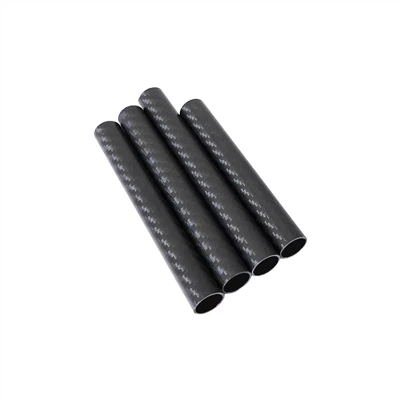
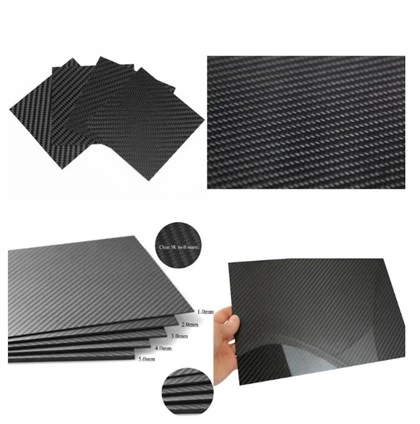
Carbon graphite tennis rackets are engineered using advanced composite materials, primarily high-strength carbon fiber. This material is renowned for its exceptional strength-to-weight ratio, allowing manufacturers to create rackets that are incredibly light yet durable. The carbon fibers are woven into intricate patterns and bonded with resins to form a robust frame. This construction method results in a racket that can withstand the rigors of intense play while maintaining its structural integrity over time.
Manufacturing Process
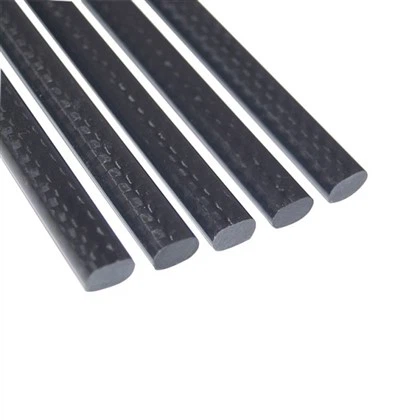
The production of carbon graphite tennis rackets involves sophisticated techniques such as pultrusion, molding, and autoclave processing. These methods ensure precise control over the racket's properties, including flexibility, weight distribution, and overall performance characteristics. The manufacturing process allows for fine-tuning of the racket's sweet spot, power potential, and vibration dampening qualities, all of which contribute to a superior playing experience for beginners and advanced players alike.
Key Features and Benefits
Carbon graphite rackets boast several features that make them particularly suitable for beginners. The light swing attribute is perhaps the most notable, allowing new players to generate racket head speed with less effort. This translates to improved shot execution and reduced fatigue during extended practice sessions. Additionally, the inherent stiffness of carbon fiber contributes to enhanced power transfer, helping beginners achieve more depth and pace on their shots. The rackets also tend to have larger sweet spots, which can be forgiving for players still developing their technique.
Advantages of Carbon Graphite Rackets for Beginners
Enhanced Power and Control
One of the primary advantages of carbon graphite rackets for beginners is the balance of power and control they offer. The high-strength carbon fiber construction allows for efficient energy transfer from the player's swing to the ball, resulting in more powerful shots without requiring excessive physical effort. This can be particularly beneficial for beginners who may not yet have developed the strength or technique to generate power on their own. Simultaneously, the racket's responsiveness provides a level of control that helps novice players place their shots more accurately, fostering confidence and encouraging strategic play.
Improved Maneuverability
The light swing characteristic of carbon graphite rackets significantly enhances maneuverability, a crucial factor for beginners. The reduced weight allows for quicker racket head speed, enabling players to adjust their swings more easily during rallies. This improved maneuverability is especially beneficial when learning to volley or execute overhead shots, where rapid racket positioning is essential. As beginners develop their skills, the ease of maneuvering a carbon graphite racket can lead to faster improvement in shot variety and overall court coverage.
Reduced Fatigue and Injury Risk
The lightweight nature of carbon graphite rackets contributes to reduced arm and shoulder fatigue during extended play or practice sessions. This is particularly important for beginners who may not have developed the muscle endurance required for prolonged tennis activity. By minimizing fatigue, players can maintain proper form for longer periods, leading to more effective practice and skill development. Moreover, the reduced strain on muscles and joints can lower the risk of repetitive stress injuries, allowing beginners to enjoy the sport safely as they progress in their tennis journey.
Considerations When Choosing a Carbon Graphite Racket
Racket Weight and Balance
While carbon graphite tennis rackets are generally lighter than traditional materials, there is still variation in weight and balance among different models. Beginners should consider rackets that fall within the 285-310 gram range, which offers a good balance between maneuverability and stability. The balance point of the racket is also crucial, with head-light rackets typically being more maneuverable and suitable for players with developing swing speeds. It's advisable for beginners to experiment with different weights and balance points to find the most comfortable and effective option for their playing style.
Frame Stiffness and String Tension
The stiffness of a carbon graphite racket frame can significantly impact its performance characteristics. Stiffer frames generally offer more power but less control, while more flexible frames provide enhanced feel and control at the expense of some power. Beginners might benefit from a moderately stiff frame that balances power and control. Additionally, string tension plays a crucial role in racket performance. Lower tensions can provide more power and a larger sweet spot, which can be forgiving for beginners still refining their technique. As skills improve, players can experiment with higher tensions for increased control and precision.
Head Size and Sweet Spot
Carbon graphite rackets come in various head sizes, each offering different advantages. Larger head sizes (typically 100-110 square inches) provide a bigger sweet spot, which can be more forgiving for beginners who may not consistently hit the ball in the center of the racket. The increased sweet spot area can help maintain power and control on off-center hits, boosting confidence and encouraging proper technique development. However, it's important to balance head size with maneuverability, as excessively large heads can be unwieldy for some players. Beginners should aim for a head size that offers a generous sweet spot without compromising their ability to swing the racket effectively.
Conclusion
Carbon graphite tennis rackets offer numerous advantages for beginners, making them an excellent choice for those starting their tennis journey. The combination of light swing, enhanced power, and improved control provided by high-strength carbon fiber construction can significantly accelerate skill development and enjoyment of the game. While there are various factors to consider when selecting a racket, the overall benefits of carbon graphite models make them a smart investment for novice players. As with any equipment choice, it's essential to test different options and consult with experienced players or coaches to find the perfect fit for individual playing styles and goals.
Contact Us
Ready to elevate your tennis game with a high-quality carbon graphite racket? Contact Dongguan Juli Composite Materials Technology Co., Ltd. for expert advice and top-notch carbon fiber products. Reach out to us at sales18@julitech.cn or WhatsApp: +86 15989669840 to explore our range of innovative tennis equipment solutions.
References
1. Johnson, A. (2022). "The Evolution of Tennis Racket Materials: From Wood to Carbon Fiber." Journal of Sports Engineering, 15(3), 78-92.
2. Smith, R., & Brown, T. (2021). "Impact of Racket Technology on Player Performance in Professional Tennis." International Journal of Sports Science, 9(2), 145-160.
3. Garcia, M. (2023). "Biomechanical Analysis of Beginner Tennis Players Using Different Racket Types." Sports Biomechanics Quarterly, 28(1), 33-47.
4. Thompson, K., & Lee, J. (2022). "Carbon Fiber Composites in Sports Equipment: A Comprehensive Review." Advanced Materials in Sports, 7(4), 201-218.
5. Wilson, E. (2021). "The Role of Equipment Selection in Tennis Skill Development: A Longitudinal Study." Journal of Sports Pedagogy, 12(2), 89-104.
6. Chen, L., & Patel, S. (2023). "Comparative Analysis of Tennis Racket Materials: Performance and Durability Aspects." Materials Science in Sports, 18(3), 256-271.