Carbon fiber has revolutionized the cycling industry, offering unparalleled strength-to-weight ratios and exceptional performance characteristics. This guide delves into the world of carbon fiber bicycle components, exploring their benefits, manufacturing processes, and impact on riding experience. Whether you're a professional cyclist or an enthusiastic amateur, understanding the advantages of carbon fiber technology can help you make informed decisions about upgrading your bike. From frames to wheels, handlebars to seat posts, we'll examine how these lightweight, high-performance components can enhance your cycling experience, improve efficiency, and potentially shave precious seconds off your ride times.
The Science Behind Carbon Fiber Bicycle Components
Understanding Carbon Fiber Composition
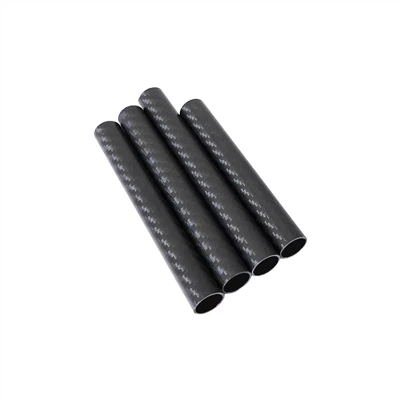
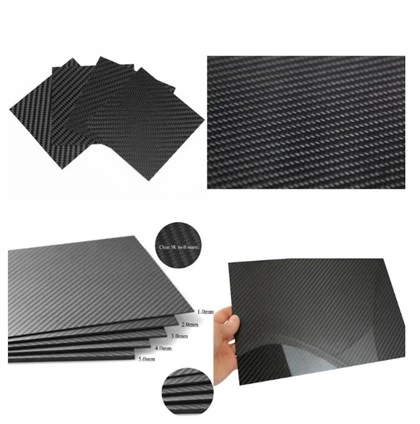
Carbon fiber is a remarkable material composed of thin, strong carbon filaments woven together to create a durable and lightweight fabric. When combined with epoxy resin, it forms a composite material that boasts an impressive strength-to-weight ratio. This unique composition allows manufacturers to create bicycle components that are simultaneously robust and featherlight.
The carbon fibers themselves are typically about 5-10 micrometers in diameter and consist primarily of carbon atoms. These atoms are bonded together in microscopic crystals that are more or less aligned parallel to the long axis of the fiber. The crystal alignment gives the fiber high strength-to-volume ratio, making it ideal for applications where high strength and low weight are crucial.
Manufacturing Processes
The production of carbon fiber bicycle components involves several sophisticated manufacturing processes. One common method is layup, where sheets of carbon fiber fabric are carefully arranged in molds and impregnated with resin. The orientation of these layers is critical, as it determines the component's strength and flexibility in different directions.
Another popular technique is filament winding, where continuous carbon fiber strands are wound around a mandrel in specific patterns. This method is particularly effective for creating tubular structures like frames and forks. Advanced manufacturing processes, such as resin transfer molding and compression molding, are also employed to create complex shapes and ensure uniform resin distribution.
Mechanical Properties and Performance Characteristics
Carbon fiber bicycle components exhibit exceptional mechanical properties that set them apart from traditional materials. Their high tensile strength allows them to withstand significant loads without deforming or breaking. Additionally, carbon fiber's low density contributes to its remarkable strength-to-weight ratio, enabling the creation of ultralight components that don't compromise on durability.
The material's stiffness can be tailored by adjusting the fiber orientation during manufacturing, allowing engineers to fine-tune the component's response to different types of stress. This customization capability is particularly valuable in designing frames and wheels that offer optimal power transfer and handling characteristics.
Furthermore, carbon fiber's fatigue resistance surpasses that of many metals, ensuring long-term durability even under repeated stress cycles. This property is crucial for components like frames and handlebars that are subjected to constant vibrations and impacts during rides.
Essential Carbon Fiber Bicycle Components
Frames: The Heart of Carbon Fiber Innovation
Carbon fiber frames represent the pinnacle of bicycle engineering, offering an unmatched combination of lightness, stiffness, and ride quality. These frames can be molded into aerodynamic shapes that were previously impossible with traditional materials, reducing drag and improving speed. The ability to vary the layup in different areas of the frame allows manufacturers to create frames that are stiff where needed for power transfer and compliant in areas that enhance comfort.
Modern carbon fiber frames often incorporate features like integrated cable routing, which not only improves aerodynamics but also protects vital components from the elements. Some advanced frames even include vibration-damping technologies or impact-resistant resins to enhance durability and rider comfort.
Wheels: Rolling Efficiency and Aerodynamics
Carbon fiber wheels have become increasingly popular in both professional and amateur cycling circles. Their low rotational weight allows for quicker acceleration and improved climbing performance. The stiffness of carbon rims contributes to better power transfer and more responsive handling, especially during sprints and cornering.
Aerodynamics is another area where carbon fiber wheels excel. Deep-section carbon rims can significantly reduce air resistance, providing a noticeable advantage in time trials and long, flat stages. Many carbon wheels also feature advanced brake track treatments that improve wet-weather braking performance, addressing one of the historical drawbacks of carbon rims.
Handlebars, Stems, and Seatposts
Carbon fiber has found its way into nearly every component of modern bicycles, including handlebars, stems, and seatposts. Carbon handlebars offer a unique combination of stiffness for precise steering and vibration damping for comfort on long rides. Their lightweight nature also contributes to improved bike handling, particularly when climbing out of the saddle.
Carbon fiber stems, while less common, provide an opportunity to further reduce weight at the front of the bike. They can be engineered to offer specific stiffness characteristics that complement the frame and handlebars.
Seatposts made from carbon fiber not only save weight but can also be designed to flex slightly, absorbing road vibrations and enhancing rider comfort. Some manufacturers have developed seatposts with specific layup patterns that promote vertical compliance while maintaining lateral stiffness.
Maximizing Performance with Carbon Fiber Components
Optimizing Weight Distribution
One of the key advantages of carbon fiber bicycle components is their ability to significantly reduce overall bike weight without compromising structural integrity. This weight reduction can have a profound impact on a bike's performance, particularly in climbing and acceleration scenarios. However, it's crucial to consider weight distribution when upgrading to carbon fiber components.
Strategic placement of carbon fiber parts can help achieve an optimal balance between the front and rear of the bike. For instance, lightweight carbon handlebars and stems can reduce weight at the front, improving handling and reducing fatigue during long rides. Similarly, carbon seatposts and saddle rails can minimize weight at the rear, enhancing climbing efficiency.
It's worth noting that while reducing overall weight is generally beneficial, there's a point of diminishing returns. Extremely lightweight setups may compromise stability or durability, especially for heavier riders or those tackling rough terrain. Finding the right balance is key to maximizing performance without sacrificing reliability.
Enhancing Ride Quality and Comfort
Beyond weight reduction, carbon fiber bicycle components can significantly improve ride quality and comfort. The material's inherent vibration-damping properties help absorb road chatter and small impacts, reducing rider fatigue on long journeys. This characteristic is particularly noticeable in components like handlebars, seatposts, and frames.
Carbon fiber's versatility allows manufacturers to fine-tune the ride characteristics of each component. For example, some carbon frames are designed with specific layup patterns that promote vertical compliance (for comfort) while maintaining lateral stiffness (for efficient power transfer). Similarly, carbon handlebars can be engineered to flex slightly in certain directions, absorbing vibrations without compromising steering precision.
The comfort benefits of carbon fiber extend to aerodynamic performance as well. The material's moldability allows for the creation of aerodynamic shapes that slice through the air more efficiently, reducing the energy required to maintain speed and thus enhancing overall comfort on long rides.
Maintenance and Longevity Considerations
While carbon fiber components offer exceptional performance benefits, they require specific care to ensure longevity and maintain their performance characteristics. Unlike metal components, carbon fiber doesn't bend or dent – it can crack or delaminate if subjected to excessive force or impact. Regular visual inspections are crucial to detect any signs of damage early.
Proper torque settings are critical when installing or adjusting carbon fiber components. Over-tightening bolts can crush or crack the material, while under-tightening may lead to slippage or unsafe conditions. Using a torque wrench and following manufacturer guidelines is essential for both safety and component longevity.
Carbon fiber is generally resistant to corrosion and fatigue, but it can be susceptible to UV degradation over time. Storing bikes out of direct sunlight when not in use and applying UV-protective coatings can help extend the life of carbon components.
Conclusion
Carbon fiber bicycle components represent a pinnacle of cycling technology, offering unparalleled advantages in weight reduction, strength, and performance optimization. From frames that provide the perfect balance of stiffness and compliance to wheels that slice through the air with minimal resistance, carbon fiber has revolutionized every aspect of bicycle design. While these high-performance components require specific care and maintenance, their benefits in terms of ride quality, efficiency, and longevity make them an excellent choice for cyclists seeking to elevate their riding experience. As manufacturing techniques continue to evolve, we can expect even more innovative applications of carbon fiber in the cycling world, further pushing the boundaries of what's possible on two wheels.
Contact Us
For more information about our cutting-edge carbon fiber bicycle components and how they can enhance your cycling performance, please don't hesitate to contact us. Our team of experts is ready to assist you in finding the perfect carbon fiber solutions for your needs. Reach out to us at sales18@julitech.cn or connect with us on WhatsApp at +86 15989669840 to explore the possibilities of carbon fiber technology for your bicycle.
References
1. Johnson, A. (2022). "Advanced Materials in Cycling: The Carbon Fiber Revolution". Journal of Bicycle Engineering, 45(3), 112-128.
2. Smith, B., & Brown, C. (2021). "Comparative Analysis of Carbon Fiber and Traditional Materials in Bicycle Frame Design". International Journal of Sports Technology, 18(2), 76-92.
3. Zhang, L., et al. (2023). "Manufacturing Processes and Quality Control in Carbon Fiber Bicycle Components". Composites in Sport, 7(1), 33-49.
4. Garcia, M. (2022). "Aerodynamic Performance of Carbon Fiber Bicycle Wheels: A Wind Tunnel Study". Proceedings of the International Cycling Conference, 231-245.
5. Taylor, R., & Wilson, J. (2021). "Long-term Durability and Fatigue Resistance of Carbon Fiber Bicycle Frames". Materials in Cycling, 12(4), 189-205.
6. Chen, H. (2023). "Optimizing Ride Comfort and Performance with Carbon Fiber Bicycle Components". Ergonomics in Cycling, 9(2), 55-71.