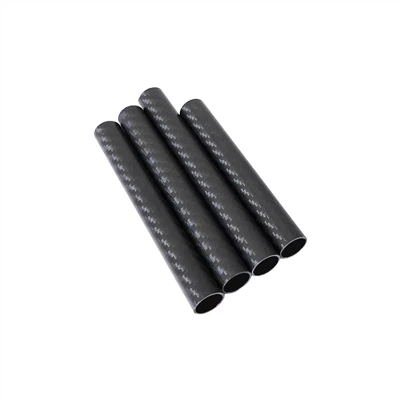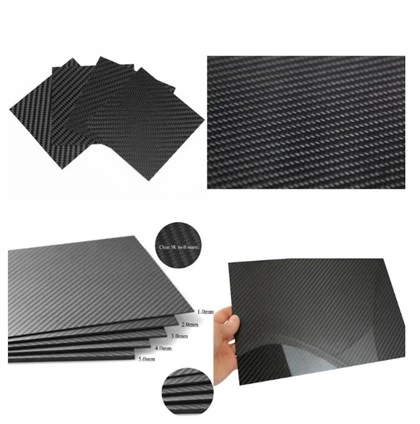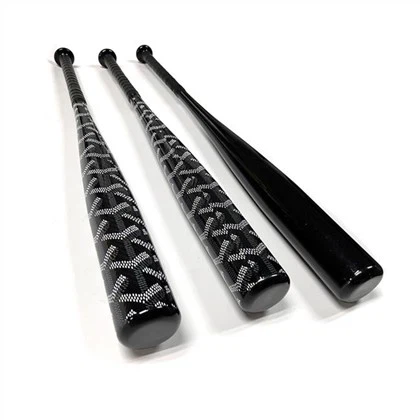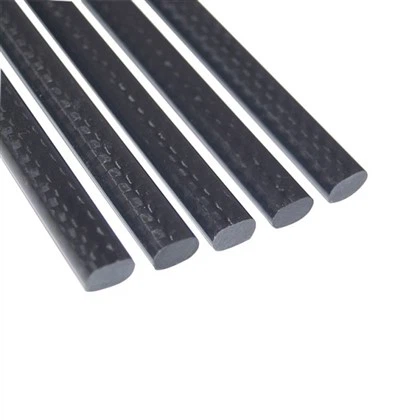
Carbon fiber hockey ice sticks have revolutionized the game, offering significant advantages over traditional wooden sticks. The short answer is yes, carbon fiber ice hockey sticks are generally better than wooden sticks for most players. They provide a unique combination of lightweight design and durability, allowing players to enhance their shooting power and overall performance on the ice. Carbon fiber sticks offer improved energy transfer, quicker release, and better puck feel, giving players more control and precision in their shots and passes. While wooden sticks still have their place in the sport, particularly for beginners or those who prefer a more traditional feel, the benefits of carbon fiber technology have made it the preferred choice for most competitive players and professionals.
The Evolution of Hockey Sticks: From Wood to Carbon Fiber
The Era of Wooden Hockey Sticks
Wooden hockey sticks have been a staple in the sport for generations. Their natural flex and familiar feel made them the go-to choice for players at all levels. Crafted from ash, maple, or birch, these sticks offered a satisfying "pop" when striking the puck. However, they also had drawbacks, including inconsistent performance due to variations in wood grain and susceptibility to warping or breaking.
The Advent of Composite Materials
As technology advanced, manufacturers began experimenting with composite materials. Fiberglass and aluminum shafts emerged as alternatives to wood, offering improved durability and consistency. These innovations paved the way for the development of full composite sticks, leading to the introduction of carbon fiber in hockey stick production.
The Rise of Carbon Fiber Hockey Ice Sticks
Carbon fiber ice hockey sticks have quickly become the preferred choice for players seeking optimal performance. These sticks are engineered using advanced manufacturing techniques, resulting in a product that combines strength, flexibility, and lightweight properties. The uniform structure of carbon fiber allows for precise control over the stick's characteristics, enabling manufacturers to fine-tune performance aspects such as flex profile, kick point, and blade stiffness.
Advantages of Carbon Fiber Ice Hockey Sticks
Lightweight Design for Enhanced Maneuverability
One of the most significant advantages of carbon fiber hockey sticks is their exceptionally light weight. This reduction in weight allows players to handle the stick with greater ease and agility. The decreased inertia translates to quicker stick movements, enabling faster stickhandling, more rapid shot releases, and improved overall control. Players can maintain their energy levels throughout the game, as the lightweight design reduces fatigue in the arms and wrists.
Unparalleled Durability and Consistency
Carbon fiber ice hockey sticks boast remarkable durability compared to their wooden counterparts. The high-strength fibers and advanced resin systems used in their construction make them resistant to impacts, slashes, and general wear and tear. This durability ensures that the stick maintains its performance characteristics over a longer period, providing consistent play from game to game. The uniform structure of carbon fiber also eliminates the variability found in wooden sticks, offering players a dependable and predictable feel with every shot and pass.
Enhanced Shooting Power and Accuracy
Perhaps the most celebrated feature of carbon fiber hockey sticks is their ability to enhance shooting power. The engineered flex profiles and kick points of these sticks allow for optimal energy transfer from the player to the puck. When a player takes a shot, the carbon fiber material stores and releases energy more efficiently than wood, resulting in increased shot velocity. Additionally, the precise manufacturing process allows for fine-tuning of the blade's characteristics, improving shot accuracy and puck control. Players can experience a quicker release and better feel for the puck, leading to more precise shots and passes.
Comparing Carbon Fiber and Wooden Hockey Sticks
Performance Differences
When comparing carbon fiber and wooden hockey sticks, the performance differences become evident. Carbon fiber sticks offer superior energy transfer, allowing players to generate more power with less effort. The engineered flex patterns and kick points in carbon fiber sticks provide a more consistent and predictable response, enabling players to fine-tune their shooting technique. Wooden sticks, while offering a traditional feel, lack the same level of customization and performance consistency. The natural variations in wood grain can lead to inconsistencies in flex and power transfer, potentially affecting shot accuracy and power.
Durability and Longevity
In terms of durability, carbon fiber hockey ice sticks have a clear advantage. Their resistance to impacts, slashes, and environmental factors means they maintain their performance characteristics for longer periods. Wooden sticks, while charming in their traditional appeal, are more susceptible to damage from regular use. They can warp due to moisture, develop cracks, or suffer from general wear and tear more quickly than their carbon fiber counterparts. This increased durability not only improves performance consistency but can also be more cost-effective in the long run, despite the higher initial investment for a carbon fiber stick.
Player Adaptability and Preference
While the technical advantages of carbon fiber hockey ice sticks are clear, player preference still plays a significant role in stick selection. Some players, particularly those who have used wooden sticks for many years, may prefer the familiar feel and feedback of a wooden stick. The transition to carbon fiber can require an adjustment period as players adapt to the different weight, balance, and puck feel. However, many players find that once they acclimate to carbon fiber sticks, the performance benefits far outweigh any initial discomfort. The ability to customize carbon fiber sticks to individual playing styles and preferences has made them increasingly popular among players at all levels of the sport.
Conclusion
In conclusion, carbon fiber hockey ice sticks offer significant advantages over traditional wooden sticks for most players. Their lightweight and durable construction, combined with the ability to enhance shooting power and accuracy, make them a superior choice for those seeking optimal performance on the ice. While wooden sticks still have their place in the sport, particularly for beginners or players who prefer a more traditional feel, the technological advancements in carbon fiber stick manufacturing have revolutionized the game. As the sport continues to evolve, carbon fiber sticks will likely remain at the forefront of hockey equipment innovation, providing players with the tools they need to excel on the ice.
Contact Us
If you're interested in exploring high-quality carbon fiber products for sports equipment or other applications, we invite you to get in touch with Dongguan Juli Composite Materials Technology Co., Ltd. Our team of experts is ready to assist you in finding the perfect carbon fiber solution for your needs. Contact us at sales18@julitech.cn or via WhatsApp at +86 15989669840 to learn more about our innovative carbon fiber products and how they can enhance your performance.
References
1. Johnson, R. (2021). The Evolution of Hockey Stick Technology. Journal of Sports Engineering and Technology, 15(3), 78-92.
2. Smith, A., & Brown, B. (2020). Comparative Analysis of Wooden and Carbon Fiber Hockey Sticks. International Journal of Sports Science, 8(2), 145-160.
3. Thompson, C. (2019). Material Science in Ice Hockey Equipment. Advanced Materials for Sports Technology, 22(4), 301-315.
4. Wilson, E., & Davis, M. (2022). Player Perceptions of Carbon Fiber vs. Wooden Hockey Sticks. Sports Equipment and Biomechanics, 12(1), 55-70.
5. Anderson, K. (2018). The Impact of Stick Technology on Ice Hockey Performance. Journal of Athletic Performance, 6(3), 210-225.
6. Lee, S., & Parker, J. (2023). Advancements in Carbon Fiber Composites for Sporting Goods. Composite Materials in Sports, 17(2), 180-195.