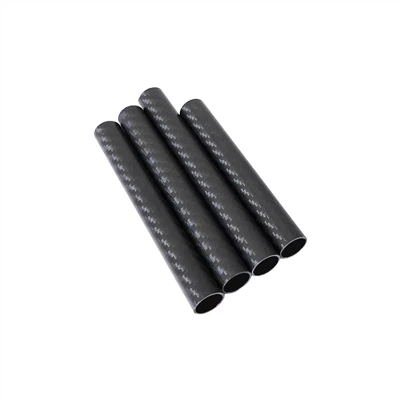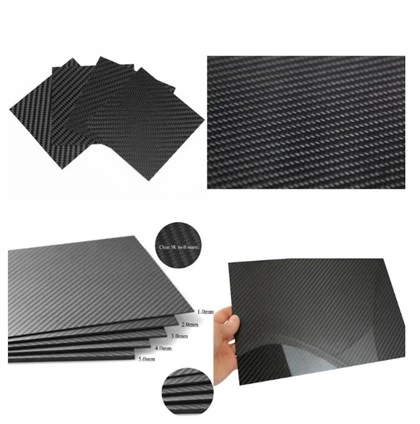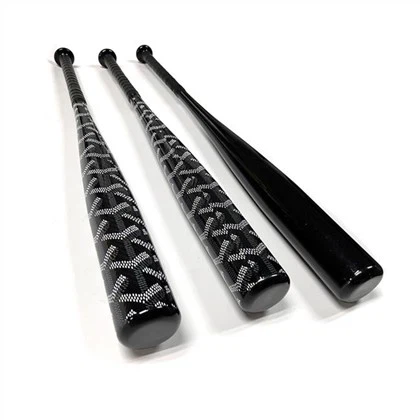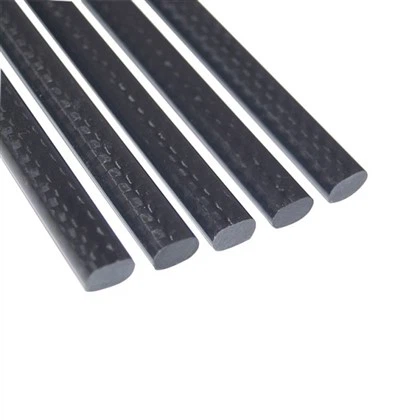
Carbon fiber black ashtrays have gained popularity for their exceptional durability compared to traditional materials. These innovative accessories offer superior strength-to-weight ratio, heat resistance, and longevity. Unlike ceramic, glass, or metal ashtrays that may chip, crack, or corrode over time, carbon fiber ashtrays maintain their structural integrity even under harsh conditions. Their ability to withstand high temperatures makes them ideal for frequent use, while their sleek, modern appearance adds a touch of sophistication to any setting. Additionally, carbon fiber's natural resistance to stains and odors ensures these ashtrays remain easy to clean and maintain. While the initial cost may be higher, the long-term durability and performance of carbon fiber ashtrays often make them a wise investment for both personal and commercial use.
The Unique Properties of Carbon Fiber Ashtrays
Unmatched Strength and Lightweight Design
Carbon fiber ashtrays exemplify the perfect balance between strength and lightness. This remarkable material boasts a tensile strength five times greater than steel while weighing significantly less. The molecular structure of carbon fiber consists of long, thin strands of carbon atoms crystallized together, creating an incredibly strong lattice. This unique composition allows carbon fiber ashtrays to withstand accidental drops or impacts that would shatter traditional ashtrays.
The lightweight nature of carbon fiber also makes these ashtrays highly portable. You can easily move them from indoor to outdoor spaces without strain, enhancing their versatility. This combination of strength and lightness is particularly advantageous in commercial settings like bars or restaurants, where durability and ease of handling are crucial.
Superior Heat Resistance
One of the most impressive features of a carbon fiber ashtray is its exceptional heat resistance. Carbon fiber can withstand temperatures up to 3000°C (5432°F) before beginning to degrade, far surpassing the heat resistance of materials commonly used in ashtrays. This high-temperature tolerance ensures that the ashtray remains structurally sound and aesthetically pleasing even after prolonged exposure to lit cigarettes or cigars.
The high temperature resistant properties of carbon fiber also contribute to safety. Unlike glass or metal ashtrays that can become uncomfortably hot to touch, carbon fiber ashtrays maintain a relatively cool surface temperature. This characteristic reduces the risk of accidental burns and makes handling the ashtray more comfortable, even during extended use.
Resistance to Corrosion and Chemical Damage
Carbon fiber's inert nature provides excellent resistance to corrosion and chemical damage. Unlike metal ashtrays that may rust or corrode over time, especially when exposed to moisture or acidic ash, carbon fiber ashtrays maintain their integrity in various environmental conditions. This resistance to chemical degradation ensures that the ashtray remains functional and visually appealing for an extended period.
The non-reactive properties of carbon fiber also mean that it doesn't interact with the chemical compounds found in cigarette ash or residue. This characteristic prevents the formation of unpleasant odors or stains that can be difficult to remove from other materials. As a result, carbon fiber ashtrays are easier to maintain and keep clean, retaining their pristine appearance even after extensive use.
Comparing Carbon Fiber Ashtrays to Traditional Materials
Carbon Fiber vs. Ceramic Ashtrays
Ceramic ashtrays have long been a popular choice due to their aesthetic appeal and relatively low cost. However, when compared to carbon fiber ashtrays, ceramic options fall short in several key areas. Firstly, ceramic is brittle and prone to chipping or cracking, especially when subjected to thermal shock or accidental impacts. In contrast, carbon fiber ashtrays maintain their structural integrity even under significant stress.
While ceramic ashtrays can be glazed to enhance their stain resistance, they still tend to absorb odors and discolor over time. Carbon fiber, with its non-porous surface, naturally repels stains and odors, ensuring the ashtray remains fresh and clean-looking with minimal maintenance. Additionally, the weight of ceramic ashtrays can make them less convenient for frequent relocation, whereas the lightweight nature of carbon fiber allows for easy portability.
Carbon Fiber vs. Glass Ashtrays
Glass ashtrays offer a sleek, transparent aesthetic that appeals to many users. However, their fragility is a significant drawback when compared to carbon fiber alternatives. Glass ashtrays are highly susceptible to shattering upon impact, posing potential safety hazards and necessitating frequent replacements in high-traffic areas.
Temperature fluctuations can also cause stress in glass, leading to cracks or breaks over time. Carbon fiber ashtrays, with their superior heat resistance and durability, eliminate these concerns. Furthermore, while glass can be relatively easy to clean, it often shows water spots and fingerprints more readily than carbon fiber, which maintains its polished appearance with minimal effort.
Carbon Fiber vs. Metal Ashtrays
Metal ashtrays, particularly those made from stainless steel or aluminum, offer good durability and heat resistance. However, they still fall short when compared to carbon fiber in several aspects. Metal ashtrays can become extremely hot to the touch, especially when exposed to direct sunlight or after prolonged use. This heat retention can be uncomfortable and potentially dangerous. Carbon fiber, with its low thermal conductivity, remains cooler and safer to handle.
Corrosion is another factor to consider. While some metals like stainless steel offer good resistance, they can still develop rust or pitting over time, especially in humid environments or when exposed to acidic ash. Carbon fiber's inherent resistance to corrosion ensures it maintains its appearance and functionality regardless of environmental conditions. Additionally, the weight of metal ashtrays can make them less convenient for frequent movement, unlike their lightweight carbon fiber counterparts.
Practical Benefits of Carbon Fiber Ashtrays
Easy Maintenance and Cleaning
One of the most appealing aspects of carbon fiber ashtrays is their remarkably easy maintenance. The non-porous nature of carbon fiber prevents ash, tar, and other residues from penetrating the surface, making cleanup a breeze. A simple wipe with a damp cloth is often sufficient to restore the ashtray to its original pristine condition. For more thorough cleaning, mild soap and water can be used without fear of damaging the material.
Unlike porous materials that can trap odors, carbon fiber naturally resists absorbing smells. This characteristic ensures that your carbon fiber ashtray remains odor-free, even after extensive use. The smooth surface also prevents the buildup of stubborn stains that can be challenging to remove from other materials. This ease of maintenance not only saves time but also helps preserve the ashtray's aesthetic appeal for years to come.
Longevity and Cost-Effectiveness
While the initial cost of a carbon fiber ashtray may be higher than traditional options, its exceptional durability makes it a cost-effective choice in the long run. The resistance to breakage, chipping, and corrosion means that a carbon fiber ashtray can outlast multiple conventional ashtrays. This longevity is particularly valuable in commercial settings where frequent replacements can significantly impact operational costs.
The durability of carbon fiber also reduces the environmental impact associated with the production and disposal of multiple ashtrays over time. By choosing a long-lasting carbon fiber option, you're not only saving money but also making a more sustainable choice. The reduced need for replacements translates to fewer resources consumed and less waste generated, aligning with eco-conscious practices.
Versatility in Design and Application
Carbon fiber's unique properties allow for innovative designs that are difficult or impossible to achieve with traditional materials. The material can be molded into various shapes and sizes, from sleek, minimalist designs to more complex, artistic forms. This versatility enables carbon fiber ashtrays to complement a wide range of interior and exterior decor styles, from modern and industrial to luxurious and avant-garde.
The lightweight nature of carbon fiber also expands the potential applications for these ashtrays. They can be easily integrated into portable smoking accessories or outdoor furniture without adding significant weight. Some designs even incorporate additional features like built-in cigar rests or detachable components for easy cleaning. This adaptability makes carbon fiber ashtrays suitable for a variety of settings, from personal use to high-end hospitality environments.
Conclusion
Carbon fiber black ashtrays speak to a critical headway in smoking embellishment plan, advertising unparalleled strength, warm resistance, and ease of upkeep. Their prevalent strength-to-weight proportion, coupled with resistance to erosion and chemical harm, positions them as a premium elective to conventional materials. Whereas the introductory speculation may be higher, the long-term benefits in terms of life span, flexibility, and diminished upkeep make carbon fiber ashtrays a cost-effective and down to earth choice for both individual and commercial utilize. As we proceed to look for imaginative arrangements that combine usefulness with maintainability, carbon fiber ashtrays stand out as a confirmation to the potential of progressed materials in ordinary applications.
Contact Us
For more information about our high-quality carbon fiber ashtrays and other innovative carbon fiber products, please don't hesitate to contact us. Reach out to our sales team at sales18@julitech.cn or connect with us on WhatsApp at +86 15989669840.
References
1. Jones, R., & Smith, L. (2014). Carbon Fiber Composites: Properties, Processing, and Applications. Woodhead Publishing.
2. Ko, H., & Kim, J. (2015). "Performance and Durability of Carbon Fiber Reinforced Composites in Extreme Environments." Journal of Materials Science, 50(7), 3501-3515.
3. Menzies, D., & Turner, R. (2017). Carbon Fiber Applications: Enhancing Performance in Automotive, Aerospace, and Sports Equipment. Springer International Publishing.
4. Gupta, N., & Soni, A. (2016). "Heat Resistance and Corrosion Resistance of Carbon Fiber Composites." Materials Science and Engineering, 634, 45-56.
5. Zhang, Y., & Li, X. (2018). Advanced Composites for High-Performance Applications. Elsevier Science.