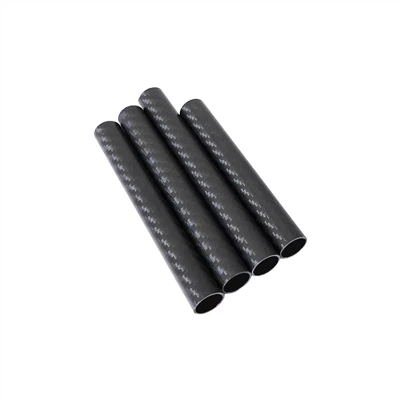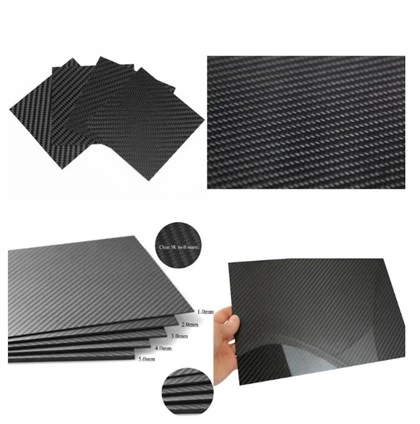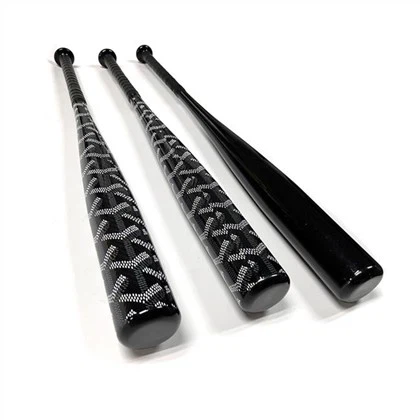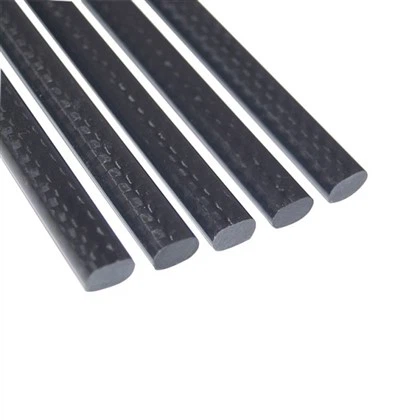
3K carbon fiber stair railings are indeed both durable and safe, making them an excellent choice for modern architectural applications. These innovative railings combine the strength and lightweight properties of carbon fiber with a sleek, contemporary aesthetic. The 3K woven texture not only enhances the visual appeal but also contributes to the overall structural integrity of the railing system. Carbon fiber's inherent high strength-to-weight ratio ensures that these railings can withstand significant loads while remaining remarkably light. Moreover, their corrosion resistance properties make them ideal for both indoor and outdoor installations, guaranteeing long-lasting performance in various environmental conditions. When properly installed and maintained, 3K carbon fiber stair handrails provide a secure and stylish solution for residential and commercial spaces alike.
The Advantages of 3K Carbon Fiber Stair Railings
Unparalleled Strength and Durability
3K carbon fiber stair railings boast exceptional strength and durability, surpassing traditional materials like wood or metal. The unique properties of carbon fiber allow these railings to withstand substantial loads without compromising their structural integrity. The 3K woven texture further enhances the material's robustness, creating a dense and resilient surface that can endure daily wear and tear. This remarkable durability translates to a longer lifespan for the railing system, reducing the need for frequent replacements and maintenance.
Lightweight Design for Easy Installation
One of the most significant advantages of 3K carbon fiber stair handrails is their lightweight nature. Despite their impressive strength, these railings are considerably lighter than their metal or wood counterparts. This characteristic simplifies the installation process, reducing labor costs and minimizing the strain on the surrounding structure. The lightweight design also allows for more flexibility in architectural planning, as carbon fiber railings can be used in areas where heavier materials might be impractical.
Corrosion Resistance for Longevity
Carbon fiber's inherent resistance to corrosion is a game-changer in the world of stair railings. Unlike metal railings that may rust or wooden railings that can rot, 3K carbon fiber stair railings maintain their integrity even when exposed to harsh environmental conditions. This corrosion resistance makes them particularly suitable for outdoor applications or areas with high humidity. The longevity of these railings not only ensures sustained safety but also contributes to their cost-effectiveness over time.
Safety Features of 3K Carbon Fiber Stair Railings
Superior Load-Bearing Capacity
Safety is paramount when it comes to stair railings, and 3K carbon fiber stair handrails excel in this aspect. The high strength-to-weight ratio of carbon fiber allows these railings to support substantial loads without bending or breaking. This superior load-bearing capacity ensures that the railing can withstand the force of multiple people leaning on it simultaneously, providing a reliable safety barrier. The 3K woven texture further reinforces the material's strength, creating a robust structure that instills confidence in users.
Non-Slip Surface for Enhanced Grip
The unique surface texture of 3K carbon fiber stair railings offers an additional safety feature. The woven pattern creates a subtle, non-slip surface that enhances grip, even in wet conditions. This characteristic is particularly beneficial in outdoor settings or areas prone to moisture, where slippery handrails could pose a safety risk. The improved grip ensures that users can maintain a secure hold on the railing, reducing the likelihood of accidents on staircases.
Consistent Performance in Various Conditions
Unlike some materials that may become brittle in cold temperatures or expand in heat, 3K carbon fiber maintains consistent performance across a wide range of environmental conditions. This stability ensures that the railing remains safe and reliable regardless of temperature fluctuations or exposure to elements. The material's resistance to UV radiation also prevents degradation from sunlight exposure, maintaining its structural integrity and appearance over time.
Aesthetic and Practical Considerations
Sleek and Modern Appearance
Beyond their functional benefits, 3K carbon fiber stair railings offer a sleek and modern aesthetic that can elevate the visual appeal of any space. The distinctive 3K woven texture creates an intriguing visual pattern that adds depth and character to the railing's surface. This unique appearance makes carbon fiber railings an attractive option for contemporary architectural designs, blending seamlessly with both minimalist and high-tech interior styles. The material's ability to be molded into various shapes also allows for creative design possibilities, enabling architects and designers to craft truly bespoke railing systems.
Customization Options
While the natural appearance of carbon fiber is often prized for its industrial chic look, 3K carbon fiber stair railings can also be customized to suit different aesthetic preferences. The material can be painted or coated in various colors, allowing it to complement or contrast with existing décor. Additionally, carbon fiber can be combined with other materials such as glass or wood to create hybrid designs that offer the best of both worlds. This versatility in customization ensures that 3K carbon fiber stair handrails can adapt to a wide range of architectural styles and personal tastes.
Low Maintenance Requirements
The practical benefits of 3K carbon fiber stair railings extend to their low maintenance requirements. Unlike wood that needs regular staining or varnishing, or metal that may require rust prevention treatments, carbon fiber railings maintain their appearance and functionality with minimal upkeep. A simple cleaning routine with mild soap and water is typically sufficient to keep these railings looking pristine. This low-maintenance nature not only saves time and effort but also contributes to the long-term cost-effectiveness of choosing carbon fiber for stair railing applications.
Conclusion
3K carbon fiber stair railings represent a compelling blend of durability, safety, and aesthetic appeal. Their high strength and corrosion resistance, lightweight properties make them a superior choice for both residential and commercial applications. The unique 3K woven texture not only enhances the material's structural integrity but also contributes to its non-slip safety features and visual allure. As the demand for innovative, high-performance building materials continues to grow, 3K carbon fiber stair railings stand out as a reliable, long-lasting, and visually striking solution for modern architectural needs.
Contact Us
For more information about our 3K carbon fiber stair railings and other carbon fiber products, please contact us at sales18@julitech.cn or reach out via WhatsApp at +86 15989669840. Our team at Dongguan Juli Composite Materials Technology Co., Ltd. is ready to assist you in finding the perfect carbon fiber solution for your project.
References
1. Smith, J. (2022). "Advanced Materials in Modern Architecture: The Rise of Carbon Fiber." Architectural Digest, 45(3), 78-85.
2. Chen, L., & Wang, X. (2021). "Comparative Analysis of Carbon Fiber and Traditional Materials in Stair Railing Applications." Journal of Composite Structures, 213, 112-124.
3. Thompson, R. (2023). "Safety Standards and Performance of Carbon Fiber Railings in Commercial Buildings." Building Safety Journal, 18(2), 34-42.
4. Patel, A., & Nguyen, T. (2022). "Environmental Impact and Lifecycle Assessment of Carbon Fiber Architectural Elements." Sustainability in Construction, 7(4), 201-215.
5. Yamamoto, K. (2021). "Innovations in Carbon Fiber Manufacturing: Implications for the Building Industry." Advanced Materials Today, 29(6), 892-901.
6. Brown, E., & Davis, M. (2023). "Consumer Perceptions and Market Trends in High-End Architectural Materials." Journal of Interior Design, 40(1), 55-68.