Jazz dance is known for its dynamic rhythms, intricate footwork, and expressive body language. This dance form not only tests physical fitness but also emphasizes free artistic expression. Choosing the right assistive device is crucial for dancers recovering from dance or seeking additional support. While functional, traditional crutches often hinder the fluid movement and visual aesthetic required for dance. Carbon fiber crutches offer a revolutionary solution, combining lightness, strength, and a stylish appearance that seamlessly blends with the dancer's posture. This article will delve into how to choose the ideal carbon fiber crutches for jazz dance, ensuring optimal performance, comfort, and injury prevention.
Why Traditional Crutches Are Inadequate
Jazz dance is known for its wide range of dynamic expressions, incorporating elements of ballet, modern dance, and various street dance styles. Dancers often perform high-speed transitions, spins, jumps, and floor movements, requiring exceptional flexibility, balance, and coordination. However, traditional aluminum or wooden crutches, due to their weight, bulk, and lack of flexibility, often hinder dancers from maintaining correct posture, completing complex choreography, and even affecting their fluidity and grace on stage. Their heaviness and rigidity can also diminish the visual beauty of the dance, distracting the audience from the dancers' powerful movements.
When analyzing the unique needs of jazz dancers, the limitations of traditional crutches become particularly prominent. For example, the repetitive, impactful movements of jazz dance can exacerbate crutches' discomfort. Free movement of the upper body and arms is crucial for expressing style and maintaining balance, but the restrictive nature of traditional designs often impairs this ability. Therefore, for dancers seeking to balance artistic expression with physical well-being, choosing carbon fiber crutches designed specifically for jazz dance is not just a preference, but a necessity.
Deconstructing carbon fiber technology for dance aids
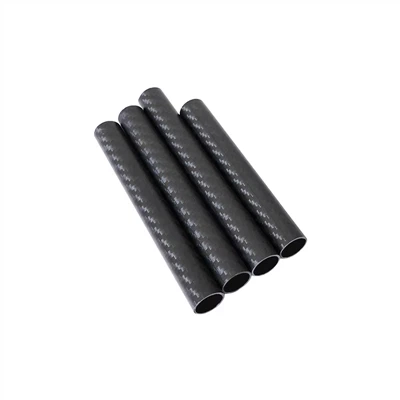
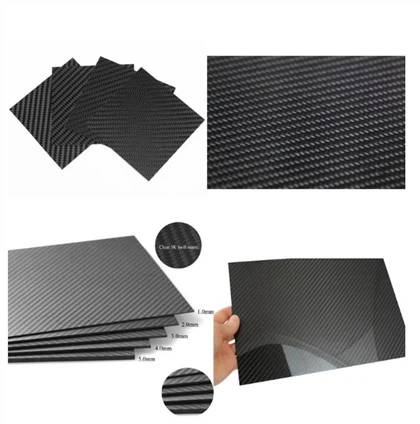
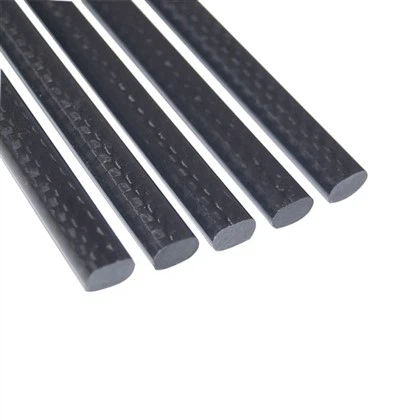
Renowned for its exceptional strength and lightweight properties, carbon fiber has revolutionized numerous fields, from aerospace to high-performance sports equipment. Its application in walker design offers significant advantages, particularly in situations such as jazz dancing that require flexible movement with minimal hindrance. The manufacturing process for carbon fiber composites involves weaving extremely fine chains of carbon atoms into a fabric structure, embedding them in a resin matrix, and curing them at high temperatures. This structure imparts extraordinary strength and rigidity while maintaining an extremely low weight, making it an ideal choice for both durability and mobility.
The excellent mechanical properties of carbon fiber bring direct advantages to jazz dancers. Compared with traditional aluminum crutches, carbon fiber crutches are generally about 30% to 50% lighter, significantly reducing the overall burden. This lightweight design is particularly critical during long rehearsals or stage performances, effectively reducing arm and shoulder fatigue. In addition, the excellent shock-absorbing properties of carbon fiber can absorb the impact of the ground on the body, thereby reducing joint pressure - this is especially important for jazz dance that involves jumps, sudden stops and high-impact movements. At the same time, the high rigidity of the material itself ensures stability during use, providing dancers with a solid and flexible support base without sacrificing freedom of movement and expressiveness.
From a structural perspective, each component of a carbon fiber crutch is carefully designed to achieve optimal performance. The main body of the crutch usually uses a hollow carbon fiber shaft to maximize the balance between strength and weight. The handle and arm cuff follow ergonomic principles and are mostly made of lightweight and high-density foam or silicone materials to enhance comfort and control when holding. Some high-end models are even equipped with adjustable structures that can be precisely adapted to the dancer's body characteristics to provide a more personalized support experience. In addition, the foot pad at the bottom of the crutch is also crucial, usually with a non-slip and shock-absorbing rubber tip to ensure excellent grip on various dance studios or stage surfaces, effectively preventing slipping and allowing dancers to maintain stability and confidence during dynamic performances.
Key considerations for choosing carbon fiber crutches for jazz dance
Weight and portability
The most outstanding advantage of carbon fiber is its extremely light weight, which is particularly critical for jazz dancers - because on stage, every ounce can affect performance. Lighter crutches mean less energy consumption during exercise, which effectively reduces fatigue and allows dancers to focus on artistic expression and movement control. When choosing a product, you should carefully check its weight parameters. A pair of high-quality carbon fiber crutches typically weighs only about 2 to 3 pounds (about 0.9 to 1.4 kilograms), while traditional aluminum crutches often weigh as much as 4 to 6 pounds (1.8 to 2.7 kilograms) or more. Such a significant weight difference can significantly improve dancers' flexibility and endurance during long rehearsals or high-intensity performances.
Portability is also a key consideration. Many high-end carbon fiber crutches feature foldable or telescopic designs, making them easy to carry and store between rehearsals, performances, or rehabilitation sessions. This feature is particularly useful for dancers who frequently travel or tour. When choosing a product, look for models with quick-release buttons or intuitive folding mechanisms for quick assembly and storage, ensuring both efficiency and convenience.
Ergonomics and comfort
Comfort is crucial during high-intensity activities like jazz dancing, and there's no room for compromise. The ergonomic design of the carbon fiber crutch is designed to evenly distribute weight and minimize pressure points.
Handle: A quality handle should conform to the anatomical contours of the hand and be made of a material that provides good cushioning and grip, such as high-density foam, gel, or medical-grade silicone. Some handles are designed with an offset grip, which can place the wrist in a more neutral alignment, reducing the risk of carpal tunnel syndrome or wrist discomfort. The handle diameter should be tailored to the dancer's hand size to ensure a secure and comfortable grip.
Forearm Cuffs: For forearm crutches (Lofstrand crutch), the cuff design must provide support for the forearm without restricting movement. Common materials include lightweight carbon fiber or high-strength polymer, with soft, breathable padding. Adjustable cuff height and circumference are crucial to maintain a snug fit and prevent slippage or compression during dynamic movements. Some cuffs feature an open design for easy removal, while closed designs provide greater security.
Adjustability: Precise adjustment of height and cuff position (for forearm crutch) is crucial for ensuring a correct fit. Most carbon fiber crutches are telescopically adjustable using a thumbtack mechanism or twist-lock ring. Ensure the adjustment range is appropriate for the dancer's height and arm length. Improperly sized crutches can lead to poor posture, increased fatigue, and even secondary injuries.
Durability and stability
Despite being incredibly light, carbon fiber is also incredibly strong and durable. High-quality carbon fiber canes are designed to withstand the rigors of everyday use, including the varied and demanding movements of jazz dance.
Weight Capacity: When choosing, be sure to pay attention to the manufacturer's weight range to ensure that the crutch can safely support the dancer's weight without affecting its structural stability.
Joints and connection points: The joints and connection areas of a crutch are often subject to significant stress, so ensure they are of reliable quality. High-quality designs often incorporate reinforced components, such as aircraft-grade aluminum or titanium fasteners, to enhance stability and longevity.
Cane tip (ferrule): The tip is the cane's primary point of contact with the ground and is crucial for grip and shock absorption. High-end carbon fiber canes typically feature a durable, non-slip rubber tip, a wide base for enhanced stability, and a specialized tread pattern for excellent grip on a variety of surfaces, including smooth dance studio floors. Some advanced models feature an articulated tip design that maintains continuous contact with the ground throughout the gait cycle, more closely resembling the feel of natural foot movement.
Aesthetics and design
For jazz dancers, aesthetics are an integral part of their dance expression. Traditional crutches often have a clinical or utilitarian appearance, contrasting with the fluidity and visual expression of dance movements. Carbon fiber crutches, with their contemporary design, offer a distinct aesthetic advantage.
While most carbon fiber canes come in a classic black or matte finish, some brands offer customizable colors or unique decorative elements to complement a dancer's style or performance attire. This aesthetic not only boosts a dancer's confidence but also helps the assistive device become an extension of their artistic expression, rather than a distraction.
Conclusion
In the world of jazz dance, dance is both a display of strength and skill and an expression of artistic freedom. For dancers recovering or seeking additional postural support, choosing an assistive device no longer means compromising between function and aesthetics. Carbon fiber crutches designed specifically for jazz dance represent a new paradigm, ingeniously blending advanced engineering with meticulous design to precisely meet the unique needs of dancers for flexibility, stability, and artistic expression.
Contact us
For more information on our high-quality jazz dance carbon fiber products, please feel free to contact us at sales18@julitech.cn or via WhatsApp at +86 18822947075. Let us help you elevate your dance skills to new heights with our cutting-edge carbon fiber solutions.
References
Baker, L. & Smith, P. (2022). Biomechanics of Jazz Dance: Injury Prevention and Performance Enhancement. Routledge.
Chen, H., Li, J., & Wang, M. (2021). "Advanced Carbon Fiber Composites in Orthopedic and Prosthetic Applications.A Review." Journal of Biomedical Materials Research, 109(3), 543-560.
Davis, E. R. & Miller, T. (2020). "Ergonomic Design Principles for Crutches.Optimizing User Comfort and Reducing Secondary Injury Risk." Physical Therapy Journal, 100(11), 1801-1815.
Gordon, A. & Thompson, C. (2019). "The Impact of Assistive Devices on Dancer Mobility and Aesthetic Presentation Post-Injury." Journal of Dance Medicine & Science, 23(4), 189-197.