Pickleball, a sport that blends elements of tennis, badminton, and table tennis, has rapidly grown in popularity in recent years, attracting players of all ages. As the sport continues to grow, so too has the manufacturing technology behind its core equipment, particularly pickleball rackets. Among the many available materials, carbon fiber stands out for its exceptional strength-to-weight ratio and superior performance, making it a highly sought-after premium material. This article will delve into the durability of carbon fiber pickleball rackets, exploring the key factors that influence their lifespan and when to replace them, providing practical references and insights for both beginners and experienced players.
What makes carbon fiber so resilient?
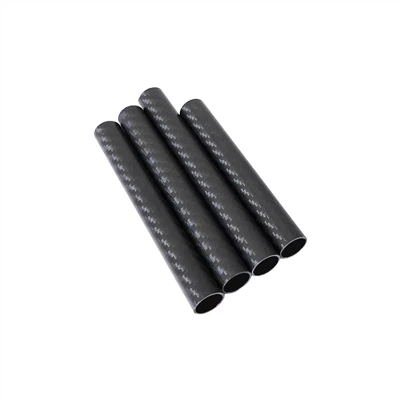
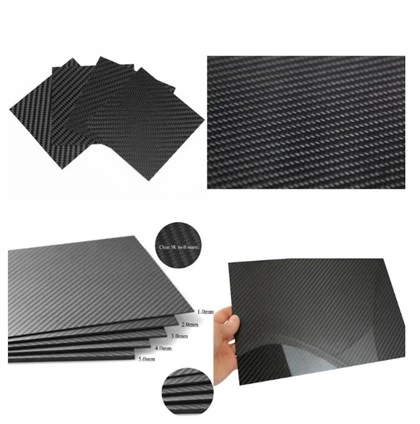
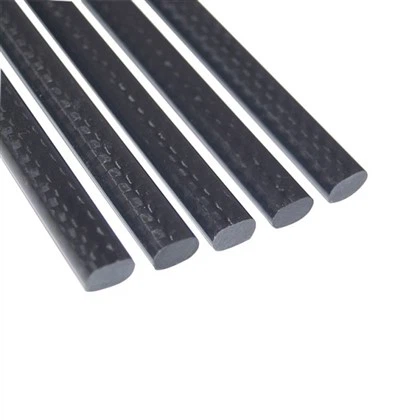
Carbon fiber is a polymer material composed of extremely fine, high-strength carbon crystalline filaments. When these filaments are precisely woven and combined with a resin matrix, they form a high-performance composite material with high rigidity, excellent tensile strength, extremely light weight, and superior chemical resistance. For carbon fiber pickleball rackets, this means the racket can maintain a stable shape during repeated shots, effectively resist impact and deformation, and maintain its structural integrity during long-term use. The manufacturing process plays a key role in this, and high-end rackets typically use aviation-grade carbon fiber to ensure a uniform weave and sufficient resin impregnation. This sophisticated structural design significantly reduces potential stress concentration areas, thereby improving the racket's fatigue resistance and overall durability.
Furthermore, the core material inside the racket is typically a polymer honeycomb structure, such as polypropylene or Nomex, which works synergistically with the carbon fiber outer layer to absorb and disperse the impact energy generated by hitting the ball, effectively reducing localized stress concentration. This structural design not only improves the stability and feel of the shot, but also significantly extends the overall lifespan of the carbon fiber pickleball racket.
Comparison of Pickleball Racket Material Properties
| Material Type | Strength-to-Weight Ratio | Impact Resistance | Flexibility | Longevity | Cost Range (USD) |
| Wood | Low | Moderate | Low | Low | 20-50 |
| Fiberglass | Moderate | Good | Moderate | Moderate | 40-80 |
| Carbon Fiber | High | Excellent | Low-Medium | Excellent | 80-250+ |
| Carbon Fiber | Moderate | Good | Low | Moderate | 60-120 |
What is the lifespan of a carbon fiber pickleball racket?
There's no definitive answer to the question, "How long does a carbon fiber pickleball racket last?" A racket's lifespan is influenced by a variety of factors, including frequency of use and intensity of strokes, personal playing style, environmental conditions, and the quality of the product itself. Generally speaking, with proper care, a carbon fiber pickleball racket can last between one and five years; for recreational players, it can last even longer. Professional players, however, demand more performance from their rackets and tend to replace their equipment more frequently, typically every six to twelve months, to maintain peak performance.
What factors cause carbon fiber pickleball rackets to gradually age?
Repeated Impact
Despite the exceptional strength of carbon fiber, prolonged exposure to high impact, especially from accidental hits to the edge of the racket, can cause microscopic cracks within the composite layer. Over time, these cracks can propagate and weaken the racket's structural integrity.
UV Exposure
Prolonged exposure to direct sunlight can degrade the resin layer within the carbon fiber due to UV aging, making the racket more brittle and less durable.
Temperature Fluctuations
Drastic temperature swings can cause different material layers to expand or contract to varying degrees, creating stress within the racket and potentially leading to delamination.
Player Habits
Improper usage habits, such as slamming the racket against the ground, hitting the net post, or forcefully picking up the ball, can significantly accelerate outer layer wear and internal fatigue.
Core Compression
While the internal honeycomb structure is designed to absorb shock, over time, the core material compresses and loses its resilience, weakening the racket's sweet spot and power.
How to Care for Carbon Fiber Pickleball Rackets
Storage
Store carbon fiber pickleball rackets in a cool, dry environment, away from direct sunlight and extreme temperatures. A racket cover provides additional protection against scratches and environmental damage.
Cleaning
Gently wipe the racket surface with a damp cloth regularly to remove sweat, dust, and debris. Avoid using harsh chemical cleaners, as these can damage the carbon fiber layer or the grip.
Edge Guard Inspection
The edge guard protects the most vulnerable part of the racket. Inspect it regularly for cracks or loosening. Minor cosmetic damage is normal, but any severe cracks or detachments should be repaired or replaced promptly to prevent shock waves from reaching the racket's core.
Grip Replacement
The grip is often the first component to wear out. Replace it if it slips, wears flat, or becomes less comfortable to maintain control and prevent hand strain. This is a simple procedure that can be easily performed at home.
Avoid Misuse
This racket is designed for pickleball only. Do not hit hard objects or the ground with it. Such misuse may cause serious damage to the carbon fiber structure, even beyond repair.
Assess the wear of your carbon fiber racket, when does it need to be replaced?
The following signs indicate that your pickleball paddle may be severely worn and needs to be replaced.
Visible cracks or dents
If there are obvious cracks, cracks or dents on the racket face, racket edge or racket handle, it means that the racket structure has been damaged, which may affect the stability and safety of hitting the ball.
Soft or Dead Spots
Over time, the honeycomb core inside a racket can compress or delaminate, creating "soft spots" or "dead spots." When you hit a ball in these areas, you may experience a reduced rebound or hear a different sound than usual.
Decreased bounce or power
If the power or bounce of your shots decreases noticeably, this usually means the racquet's core's resilience has degraded, a classic sign of decreased durability.
Delamination
When the racquet face begins to separate from the inner core, bulges, bubbles, or uneven areas may appear on the racquet face. Delamination not only affects performance but also indicates that the racquet's structural integrity has been compromised and should be replaced as soon as possible.
Excessive vibration
If your racket experiences a noticeable increase in vibration when you hit the ball, it may indicate internal structural damage from the impact. While slight vibrations are normal, a noticeable increase in vibration is a potential danger sign.
Severely worn surface texture
Many carbon fiber pickleball rackets use a textured surface to enhance spin performance. Once the surface texture is worn flat or damaged, it will directly affect ball control and spin, indicating that the racket is nearing the end of its service life.
Conclusion
Carbon fiber pickleball rackets are a remarkable example of modern material engineering, combining the core advantages of power, control, and durability. While not completely impervious to damage, high-quality rackets, with proper care and proper use, can maintain consistent performance over time. By promptly identifying signs of wear and replacing or upgrading them when appropriate, players can not only maintain their peak performance but also fully enjoy the excitement and fun of pickleball. With continuous technological innovation and optimization, the future of pickleball rackets is poised to become even more exciting, fueling this thriving sport.
Contact us
For more information on our high-quality carbon fiber pickleball rackets, please feel free to contact us at sales18@julitech.cn or via WhatsApp at +86 18822947075. Our team of experts is ready to help you improve the performance of your sports equipment with our cutting-edge carbon fiber solutions.