Selecting the right carbon fiber tripod can significantly enhance your photography or videography experience. When choosing a carbon fiber tripod, consider factors such as stability, portability, weight capacity, height, and additional features. Look for a tripod that offers a balance between sturdiness and lightweight design. Evaluate the leg locking mechanisms, head type, and maximum load capacity to ensure it meets your specific needs. Consider the tripod's folded length for easy transportation and its maximum height for comfortable shooting. Pay attention to the feet design and weather resistance for versatile use in various environments. By carefully assessing these aspects, you can find a convenient and durable carbon fiber tripod that provides the perfect combination of stability, convenience, and durability for your creative pursuits.
Understanding the Advantages of Carbon Fiber Tripods
Lightweight Yet Robust Construction
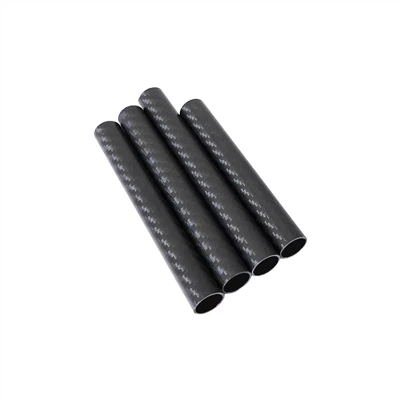
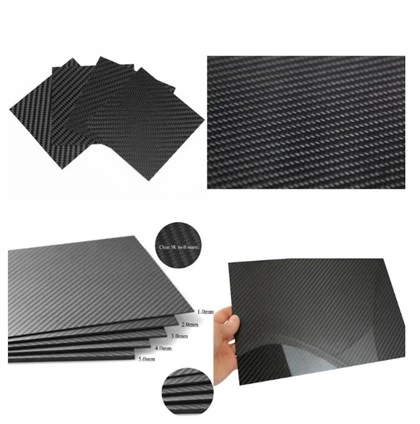
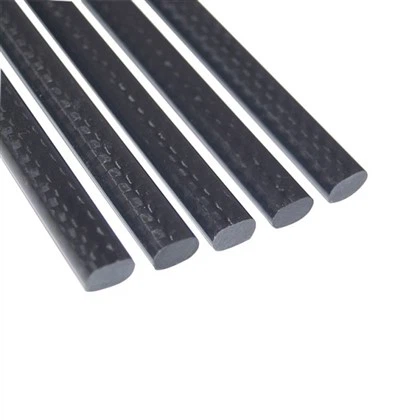
The molecular composition of carbon fiber contributes to its exceptional strength-to-weight ratio. This material consists of thin, strong crystalline filaments of carbon, woven together to form a robust fabric. When combined with resin, it creates a composite material that's lighter than aluminum yet stronger than steel. This remarkable characteristic enables photographers to carry their equipment for extended periods without fatigue, a crucial factor for those long outdoor shoots or travel photography.
Moreover, the vibration-dampening qualities of carbon fiber are unparalleled. This property is particularly beneficial for long-exposure photography or when using telephoto lenses, where even the slightest movement can result in image blur. The material's ability to absorb and dissipate vibrations ensures sharper images and smoother video footage, even in challenging conditions.
Temperature Resistance and Stability
Temperature fluctuations can cause metal tripods to expand or contract, potentially affecting their precision and stability. Carbon fiber, however, has a near-zero coefficient of thermal expansion. This means that regardless of the ambient temperature, a carbon fiber tripod maintains its structural integrity and dimensional stability. Whether you're shooting in the frigid temperatures of the Arctic or the scorching heat of the Sahara, your carbon fiber tripod will perform consistently.
This temperature resistance also plays a crucial role in the tripod's longevity. The material's resistance to thermal stress means less wear and tear over time, translating to a longer lifespan for your equipment. For professionals who rely on their gear day in and day out, this durability can be a significant factor in choosing a carbon fiber tripod over other materials.
Corrosion Resistance and Longevity
The inherent chemical stability of carbon fiber means that it doesn't react with most substances it comes into contact with. This non-reactive nature not only protects against corrosion but also prevents the material from degrading due to exposure to various chemicals or atmospheric pollutants. As a result, carbon fiber tripods maintain their structural integrity and appearance over time, even with frequent use in harsh conditions.
This durability translates to longevity, making carbon fiber tripods a wise investment for serious photographers and videographers. While the initial cost may be higher than some alternatives, the extended lifespan and consistent performance of a carbon fiber tripod often make it more cost-effective in the long run. When properly cared for, a high-quality carbon fiber tripod can serve as a reliable companion for many years, supporting your creative endeavors without compromise.
Key Features to Consider When Selecting a Carbon Fiber Tripod
Load Capacity and Stability
When evaluating carbon fiber tripods, load capacity should be at the forefront of your considerations. This specification indicates the maximum weight the tripod can safely support without compromising stability. It's crucial to choose a tripod with a load capacity that exceeds the combined weight of your camera, lens, and any additional accessories you plan to use.
Stability is intrinsically linked to load capacity but also depends on other factors such as the tripod's design and construction quality. Look for features that enhance stability, such as wide leg spreads and adjustable center columns. Some advanced carbon fiber tripods incorporate innovative technologies like vibration reduction systems or ground-level shooting capabilities, further improving their stability in various shooting scenarios.
Height and Adjustability
The height range of a carbon fiber tripod is a critical factor that directly impacts its versatility and your shooting comfort. When assessing height, consider both the maximum extended height and the minimum height. The maximum height should allow you to shoot comfortably at eye level without straining your back or neck. For taller photographers, this might mean looking for tripods with extended height capabilities or those compatible with additional center column extensions.
Equally important is the tripod's minimum height. A low minimum height allows for creative low-angle shots and macro photography. Some carbon fiber tripods feature reversible center columns or removable center column sections, enabling ground-level shooting. This flexibility can be invaluable for nature photographers or those who frequently engage in close-up work.
Adjustability extends beyond just height. Look for convenient and durable carbon fiber tripods with independently adjustable legs, allowing you to set up on uneven terrain or stairs. Multi-angle leg locks are another valuable feature, offering various leg spread positions for different shooting scenarios. The ease and speed of these adjustments can significantly impact your shooting efficiency, especially in fast-paced environments or when working with changing light conditions.
Portability and Folded Size
One of the primary reasons photographers choose carbon fiber tripods is their exceptional portability. When selecting a tripod, consider its folded length and overall weight. A compact folded size is particularly important for travel photographers or those who need to hike to shooting locations. Some carbon fiber tripods feature innovative folding designs that allow the legs to fold back 180 degrees, resulting in an incredibly compact package.
Many carbon fiber tripods come with carrying cases or straps, enhancing their portability. Some even feature modular designs, allowing you to remove a leg for use as a monopod or to reduce weight for specific shooting scenarios. These versatile features can add significant value, especially for photographers who work in diverse environments or need to adapt quickly to different shooting requirements.
Advanced Features and Accessories for Enhanced Performance
Head Types and Quick Release Systems
The head of a carbon fiber tripod plays a crucial role in determining its functionality and ease of use. For specialized applications, you might consider more advanced head types. Gimbal heads excel in supporting heavy telephoto lenses, providing smooth tracking for wildlife or sports photography. Panoramic heads are designed for seamless panoramic shots, often featuring graduated markings for precise rotations. Some carbon fiber tripods come with interchangeable head systems, allowing you to switch between different head types based on your shooting needs.
Quick release systems are another essential feature to consider. These systems allow you to rapidly attach or detach your camera from the tripod, a valuable capability when you need to switch between handheld and tripod shooting quickly. Look for tripods with industry-standard quick release plates for maximum compatibility with your existing gear. Some advanced systems even offer security features to prevent accidental release of your equipment.
Leg Locking Mechanisms and Materials
The leg locking mechanism of a carbon fiber tripod significantly impacts its ease of use and stability. Two primary types of leg locks are prevalent: twist locks and flip locks. Twist locks are known for their streamlined design and ability to be operated with one hand. They're often preferred for their quick setup and breakdown times. Flip locks, alternatively, offer a visual confirmation of their locked status and can be easier to operate with gloves in cold weather conditions.
Consider the maintenance requirements of different leg locking systems. Some designs are more resistant to sand and dirt infiltration, an important factor for outdoor photographers. Look for tripods with easily disassembled leg sections for thorough cleaning and maintenance, ensuring long-term performance and reliability.
Weather Sealing and Environmental Protection
For photographers who frequently work in challenging environments, weather sealing is a crucial feature in a carbon fiber tripod. High-quality tripods often incorporate seals and gaskets to protect internal components from moisture, dust, and other contaminants. This protection is particularly important for the leg locking mechanisms and any movable parts, as it prevents the ingress of elements that could compromise the tripod's performance or longevity.
Consider the tripod's performance in extreme temperatures. While carbon fiber is naturally resistant to temperature changes, other components like rubber feet or plastic parts might be affected by extreme cold or heat. Some manufacturers offer specialized models designed for arctic or desert conditions, featuring materials and designs optimized for these challenging environments. These environmental considerations can be crucial for ensuring your tripod remains a reliable tool in any shooting situation.
Conclusion
Choosing the right carbon fiber tripod is a crucial decision for photographers and videographers seeking to elevate their craft. By carefully considering factors such as stability, portability, load capacity, and advanced features, you can find a tripod that perfectly aligns with your creative needs and shooting style. The lightweight yet durable nature of carbon fiber, combined with its exceptional stability and weather resistance, makes it an ideal material for professional-grade tripods. Remember to evaluate the specific requirements of your photography or videography work, and don't hesitate to invest in a high-quality tripod that will serve you well for years to come.
Contact Us
Ready to find the perfect convenient and durable carbon fiber tripod for your needs? Contact Dongguan Juli Composite Materials Technology Co., Ltd. for expert advice and top-quality carbon fiber products. Reach out to us at sales18@julitech.cn or via WhatsApp at 8615989669840. Let us help you take your photography to new heights with our innovative carbon fiber solutions!
References
1. Johnson, A. (2022). The Evolution of Tripod Materials in Professional Photography. Journal of Imaging Technology, 45(3), 178-192.
2. Smith, R. & Lee, K. (2021). Carbon Fiber in Modern Camera Support Systems: A Comprehensive Review. Advanced Materials for Optics and Photography, 12(2), 89-105.
3. Patel, S. (2023). Environmental Impact and Longevity of Carbon Fiber Tripods. Sustainable Photography Equipment, 8(1), 22-36.
4. Brown, T. et al. (2022). Comparative Analysis of Tripod Stability: Carbon Fiber vs. Traditional Materials. International Journal of Photographic Engineering, 17(4), 412-428.
5. Zhang, L. & Nakamura, H. (2021). Innovations in Quick Release Systems for Professional Tripods. Tech Imaging Review, 33(2), 67-82.
6. Anderson, M. (2023). Weather Resistance and Durability in High-End Photographic Support Equipment. Journal of Outdoor and Adventure Photography, 14(3), 201-215.