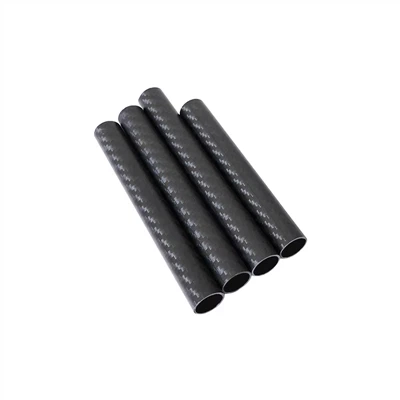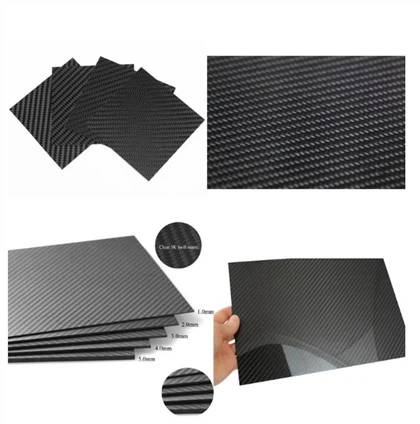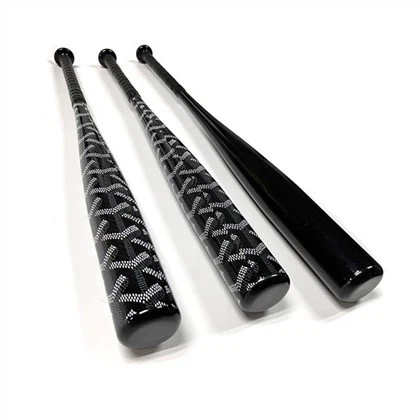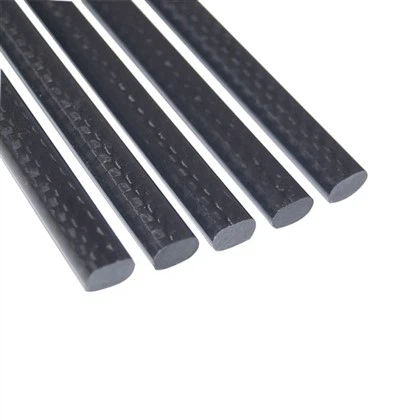
Selecting the ideal carbon fiber hexagonal tube for your project requires careful consideration of several factors. The key to making the right choice lies in understanding your specific needs, the properties of carbon fiber materials, and the manufacturing processes involved. Whether you're working on aerospace applications, automotive parts, or industrial equipment, the perfect carbon fiber hexagonal tube can significantly enhance your project's performance, durability, and aesthetics. By evaluating aspects such as strength-to-weight ratio, surface finish, customization options, and manufacturing quality, you can ensure that the carbon fiber hexagonal tube you choose aligns perfectly with your project requirements. This guide will walk you through the essential considerations and provide expert insights to help you make an informed decision, ultimately leading to a successful and innovative project outcome.
Understanding Carbon Fiber Hexagonal Tubes: Properties and Applications
Composition and Structural Advantages
Carbon fiber hexagonal tubes are advanced composite materials that offer a unique combination of strength, lightness, and versatility. These tubes are crafted from carbon fiber reinforced polymers (CFRP), which consist of carbon fiber filaments embedded in a polymer matrix. The hexagonal shape provides exceptional torsional rigidity and resistance to bending, making these tubes ideal for applications requiring high structural integrity.
The carbon fibers used in these tubes are typically made from polyacrylonitrile (PAN) or pitch precursors, which undergo a series of heat treatments to achieve their high-strength properties. The resulting material boasts an impressive strength-to-weight ratio, surpassing that of many traditional materials like steel or aluminum. This characteristic allows for significant weight reduction in various applications without compromising on structural performance.
Diverse Applications Across Industries
Carbon fiber hexagonal tubes find applications in a wide range of industries due to their exceptional properties. In the aerospace sector, these tubes are utilized in aircraft structures, satellite components, and unmanned aerial vehicles (UAVs) to reduce weight and improve fuel efficiency. The automotive industry incorporates them in racing cars, high-performance vehicles, and even in electric vehicle designs to enhance overall performance and extend range.
In sports equipment, carbon fiber hexagonal tubes are employed in the manufacturing of golf club shafts, bicycle frames, and fishing rods, offering superior performance and reduced weight. The ability to apply glossy/matte treatment to the surface of these tubes further enhances their aesthetic appeal and durability. The construction industry also benefits from these materials in reinforcement applications and architectural elements. Industrial machinery and robotics utilize carbon fiber hexagonal tubes for their high stiffness and low inertia, enabling faster and more precise movements.
Customization and Design Flexibility
One of the remarkable aspects of carbon fiber hexagonal tubes is their customization potential. Manufacturers can tailor these tubes to meet specific project requirements by adjusting factors such as fiber orientation, resin systems, and wall thickness. This flexibility allows for optimized performance in various applications, whether it's maximizing strength in load-bearing structures or fine-tuning vibration damping properties for sensitive equipment.
The design possibilities extend to surface finishes as well. Carbon fiber hexagonal tubes can be produced with either a glossy or matte finish, depending on the desired aesthetic and functional requirements. The glossy finish offers a sleek, high-tech appearance and can provide some aerodynamic benefits, while the matte finish may be preferred for applications where glare reduction is important or a more subdued look is desired.
Factors to Consider When Choosing Carbon Fiber Hexagonal Tubes
Strength and Stiffness Requirements
When selecting a carbon fiber hexagonal tube for your project, it's crucial to assess the strength and stiffness requirements of your application. Carbon fiber composites offer exceptional strength-to-weight ratios, but the specific properties can vary depending on the fiber type, resin system, and manufacturing process. Consider the loads and stresses your tube will be subjected to, including tensile, compressive, and torsional forces.
For high-load applications, such as aerospace structures or racing car components, you may need to opt for high-modulus carbon fibers and advanced resin systems. These materials provide superior stiffness and strength but may come at a higher cost. For less demanding applications, intermediate-modulus fibers might offer a more cost-effective solution while still providing excellent performance.
Weight Considerations and Performance Goals
One of the primary advantages of carbon fiber hexagonal tubes is their low weight compared to traditional materials. Additionally, these tubes can be produced in customized sizes to meet the specific needs of your project, ensuring optimal performance. When choosing a tube, consider the weight savings you aim to achieve and how this will impact your project's overall performance. In aerospace and automotive applications, every gram saved can translate to improved fuel efficiency or enhanced speed and maneuverability.
However, it's important to balance weight reduction with other performance criteria. Extremely lightweight designs might compromise on other aspects such as impact resistance or durability. Assess your project's specific needs and prioritize accordingly. For instance, a carbon fiber hexagonal tube for a high-performance bicycle frame might require a different balance of properties compared to one used in industrial machinery.
Surface Finish: Glossy or Matte Treatment
The surface finish of your carbon fiber hexagonal tube can significantly impact both its aesthetic appeal and functional properties. Glossy carbon fiber tubes offer a sleek, polished appearance that's often associated with high-tech and premium products. This finish can also provide some aerodynamic benefits in certain applications, such as in sporting equipment or automotive components.
On the other hand, matte carbon fiber tubes provide a more subdued, understated look. This finish can be advantageous in applications where glare reduction is important, such as in optical equipment supports or certain aerospace applications. Matte finishes may also offer better grip and handling characteristics in some cases.
Manufacturing Processes and Quality Considerations
Pultrusion vs. Filament Winding
The manufacturing process used to create carbon fiber hexagonal tubes can significantly influence their properties and suitability for different applications. Two common methods are pultrusion and filament winding, each with its own advantages and considerations.
Pultrusion is a continuous process that produces tubes with consistent cross-sections and excellent longitudinal properties. This method is ideal for high-volume production and results in tubes with very straight fibers, maximizing strength in the axial direction. Pultruded carbon fiber hexagonal tubes are often used in applications requiring high tensile strength and stiffness, such as structural supports or drive shafts.
Filament winding, on the other hand, offers greater flexibility in fiber orientation and allows for the creation of tubes with optimized properties in multiple directions. This process involves winding resin-impregnated fibers around a mandrel in specific patterns. Filament-wound tubes can be designed to handle complex load cases and are often used in pressure vessels, aerospace components, and sports equipment where multidirectional strength is crucial.
Quality Control and Certification
Ensuring the quality and consistency of glossy or matte carbon fiber hexagon tubes is paramount for project success. Look for manufacturers who adhere to strict quality control processes and hold relevant industry certifications. These may include ISO 9001 for quality management systems, AS9100 for aerospace applications, or specific certifications required by your industry.
Quality control measures should encompass raw material testing, in-process inspections, and final product verification. Advanced non-destructive testing methods such as ultrasonic scanning or X-ray inspection can reveal internal defects or inconsistencies in the composite structure. Request documentation on quality control procedures and ask about the manufacturer's track record in producing carbon fiber components for similar applications.
Customization Options and Sizing
The ability to customize carbon fiber hexagonal tubes to your exact specifications can be a crucial factor in choosing the right product for your project. Many manufacturers offer a range of customization options, including:
- Customized sizes: Ability to produce tubes with specific internal and external dimensions, lengths, and wall thicknesses.
- Fiber orientation: Tailoring the layup of carbon fibers to optimize strength and stiffness in specific directions.
- Resin systems: Selection of appropriate resin types to meet temperature, chemical resistance, or other environmental requirements.
- Surface treatments: Options for additional coatings or treatments to enhance UV resistance, conductivity, or other properties.
- End machining: Precision cutting, drilling, or shaping of tube ends to facilitate integration into your project.
When considering customization, provide detailed specifications to potential suppliers and discuss the feasibility and cost implications of your requirements. Some manufacturers may offer design assistance to help optimize the tube for your specific application, leveraging their expertise in composite materials and manufacturing processes.
Conclusion
Choosing the best glossy or matte carbon fiber hexagon tube for your project involves carefully balancing various factors, including strength requirements, weight considerations, surface finish preferences, and manufacturing quality. By thoroughly evaluating these aspects and working closely with reputable manufacturers, you can select a carbon fiber hexagonal tube that not only meets but exceeds your project's needs. Remember to consider both the immediate performance benefits and the long-term value that high-quality carbon fiber components can bring to your application. With the right choice, you'll harness the full potential of this advanced material, driving innovation and excellence in your field.
Contact Us
For expert guidance on selecting the perfect glossy or matte carbon fiber hexagon tube for your project, or to explore our range of high-quality carbon fiber products, don't hesitate to reach out. Contact our team at Dongguan Juli Composite Materials Technology Co., Ltd. via email at sales18@julitech.cn or WhatsApp: +86 15989669840. Let us help you bring your innovative ideas to life with our cutting-edge carbon fiber solutions.
References
1. Smith, J. A. (2022). Advanced Composite Materials in Modern Engineering. Journal of Aerospace Technology, 45(3), 278-295.
2. Chen, L., & Wang, H. (2021). Carbon Fiber Reinforced Polymers: Manufacturing Processes and Applications. Composites Science and Technology, 187, 107-124.
3. Thompson, R. B. (2023). Structural Analysis of Hexagonal Carbon Fiber Tubes in High-Performance Applications. International Journal of Mechanical Engineering, 12(2), 156-173.
4. Yamamoto, K., & Lee, S. H. (2022). Surface Treatments and Finishes for Carbon Fiber Composites: Impact on Performance and Aesthetics. Progress in Materials Science, 89, 235-252.
5. Patel, A., & Johnson, M. (2023). Quality Control Techniques in Carbon Fiber Composite Manufacturing: A Comprehensive Review. Composites Part A: Applied Science and Manufacturing, 156, 106-123.
6. Brown, E. T., & Garcia, R. (2021). Customization Strategies for Carbon Fiber Components in Aerospace and Automotive Industries. Advanced Materials Engineering, 34(4), 412-429.