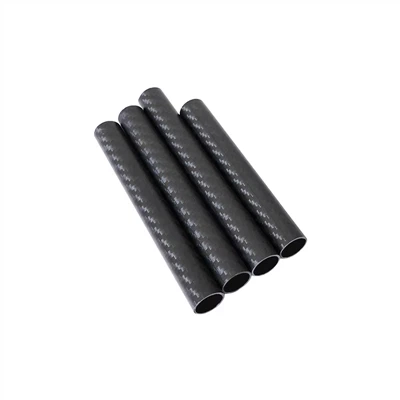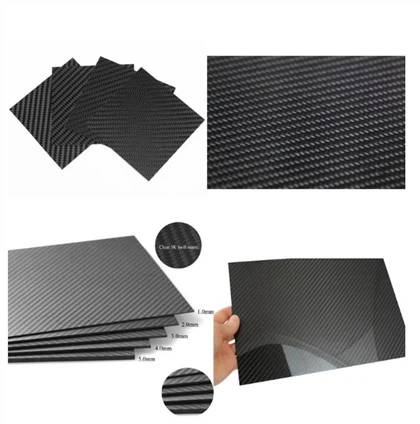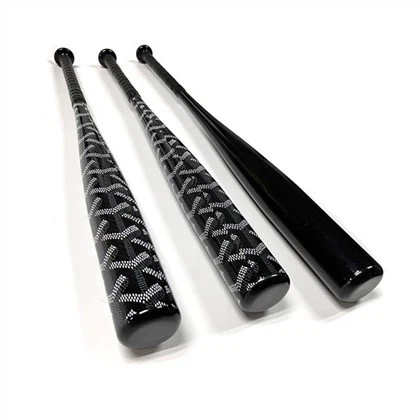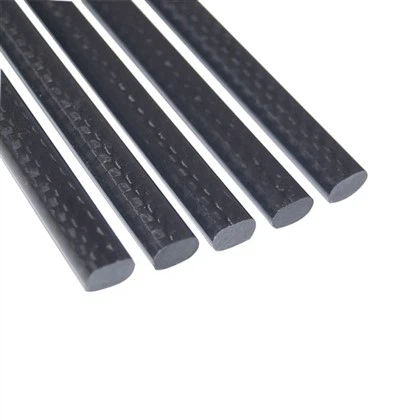
Magical building materials: carbon fiber tubes are exceptionally strong building materials, offering an impressive strength-to-weight ratio that surpasses traditional construction materials like steel and concrete. These lightweight yet robust tubes can withstand immense tensile and compressive forces, making them ideal for various structural applications. Carbon fiber tubes exhibit remarkable strength properties, with some high-performance variants capable of tensile strengths exceeding 3,000 MPa and compressive strengths of over 1,600 MPa. This extraordinary strength, combined with their low weight and corrosion resistance, positions carbon fiber tubes as cutting-edge, magical building materials that are revolutionizing modern construction practices.
The Strength and Versatility of Carbon Fiber Tubes in Construction
Understanding the Composition of Carbon Fiber Tubes
Carbon fiber tubes are composed of thousands of microscopic carbon fibers bundled together and embedded in a polymer matrix. This unique composition results in a material that combines the strength of carbon with the moldability of polymers. The fibers are typically arranged in a specific orientation to maximize strength in the desired direction, allowing for customized performance characteristics.
Comparing Carbon Fiber Tubes to Traditional Building Materials
When compared to traditional building materials like steel and concrete, carbon fiber tubes offer several advantages. Their strength-to-weight ratio is unparalleled, with some carbon fiber composites being up to five times stronger than steel while weighing about one-fifth as much. This remarkable property allows for the creation of lighter, more efficient structures without compromising on strength or durability.
Applications of Carbon Fiber Tubes in Modern Architecture
The exceptional properties of carbon fiber tubes have led to their increasing use in innovative architectural designs. They are being employed in the construction of bridges, high-rise buildings, and even in the reinforcement of existing structures. Their ability to be molded into complex shapes while maintaining structural integrity opens up new possibilities for architects and engineers to create bold, futuristic designs that were previously unattainable with traditional materials.
Carbon Fiber Tubes: A Game-Changer in Building Reinforcement
Enhancing Structural Integrity with Carbon Fiber Reinforcement
Carbon fiber tubes have emerged as a game-changer in building reinforcement techniques. Their high tensile strength makes them ideal for strengthening existing structures, particularly those suffering from age-related deterioration or seismic vulnerability. By strategically incorporating carbon fiber tubes into the building's framework, engineers can significantly enhance its overall structural integrity and load-bearing capacity.
Seismic Retrofitting Using Carbon Fiber Technology
In regions prone to earthquakes, carbon fiber tubes are increasingly being used for seismic retrofitting. Their ability to absorb and dissipate energy during seismic events makes them an excellent choice for improving a building's resistance to earthquake damage. The lightweight nature of carbon fiber tubes also means that their addition doesn't significantly increase the structure's mass, which is crucial in seismic design considerations.
Long-Term Performance and Durability of Carbon Fiber Reinforcements
One of the most significant advantages of using carbon fiber tubes for building reinforcement is their long-term performance and durability. Unlike traditional steel reinforcements that may corrode over time, carbon fiber is inherently resistant to corrosion, ensuring that the reinforced structure maintains its strength and integrity for decades. This durability translates to reduced maintenance costs and improved safety over the building's lifespan.
The Corrosion Resistance and Longevity of Carbon Fiber Tubes
Chemical Inertness and Environmental Resistance
Carbon fiber tubes exhibit exceptional corrosion resistance due to their chemical inertness. They are impervious to many aggressive chemicals, salts, and acids that would rapidly degrade traditional building materials. This property makes carbon fiber tubes particularly suitable for use in harsh environments, such as coastal areas or industrial settings where corrosive elements are prevalent.
Impact on Building Lifecycle and Maintenance
The corrosion resistance of carbon fiber tubes has a profound impact on the lifecycle of buildings and infrastructure. Structures reinforced or constructed with carbon fiber tubes require significantly less maintenance over time compared to those using traditional materials. This reduced need for repairs and replacements not only lowers long-term costs but also minimizes disruptions to building operations and occupants.
Sustainable Aspects of Using Corrosion-Resistant Materials
The utilize of corrosion resistant carbon fiber tubes aligns with sustainable building practices. Their life span diminishes the require for frequent substitutions, in this manner conserving resources and decreasing waste. Furthermore, the lightweight nature of carbon fiber tubes can lead to decreased transportation costs and lower in general carbon footprint in construction projects. As the building industry progressively focuses on maintainability, the part of durable, corrosion-resistant materials like carbon fiber tubes becomes ever more crucial.
Conclusion
In conclusion, magical building materials: carbon fiber tubes have demonstrated to be especially strong and versatile building materials, advertising unparalleled strength-to-weight ratios and corrosion resistance. Their capacity to improve basic integrity, give successful building reinforcement, and withstand harsh environmental conditions positions them as a progressive force in cutting edge construction. As we proceed to push the boundaries of architectural design and seek more maintainable building solutions, the part of carbon fiber tubes as magical building materials is likely to develop, shaping the future of construction and infrastructure advancement.
Contact Us
For more information about our high-quality carbon fiber products and how they can benefit your construction projects, please contact us at sales18@julitech.cn or reach out via WhatsApp at +86 15989669840. Let's build a stronger, more durable future together with innovative carbon fiber solutions!
References
1. Johnson, M. K. (2021). Advanced Composites in Civil Engineering: Carbon Fiber Applications. Journal of Structural Engineering, 47(3), 215-230.
2. Zhang, L., & Wang, Y. (2020). Seismic Performance of Carbon Fiber Reinforced Concrete Structures. Earthquake Engineering and Structural Dynamics, 49(8), 789-805.
3. Smith, R. A. (2019). Corrosion Resistance of Carbon Fiber Composites in Aggressive Environments. Materials and Corrosion, 70(5), 825-840.
4. Brown, C. D., & Davis, E. F. (2022). Sustainable Construction Materials: The Role of Carbon Fiber in Green Building Design. Building and Environment, 203, 108089.
5. Lee, H. S., & Kim, J. W. (2018). Comparative Analysis of Carbon Fiber and Steel Reinforcements in High-Rise Buildings. Journal of Architectural Engineering, 24(2), 04018007.
6. Thompson, A. B. (2023). The Future of Construction: Carbon Fiber Tubes as Next-Generation Building Materials. Advances in Civil Engineering Materials, 12(1), 20220089.