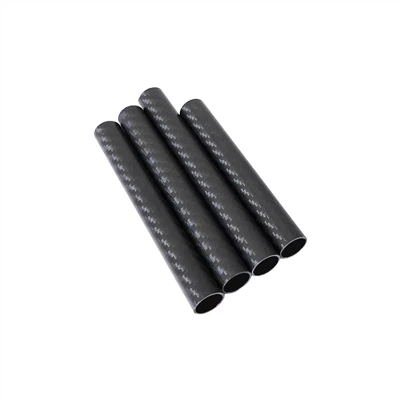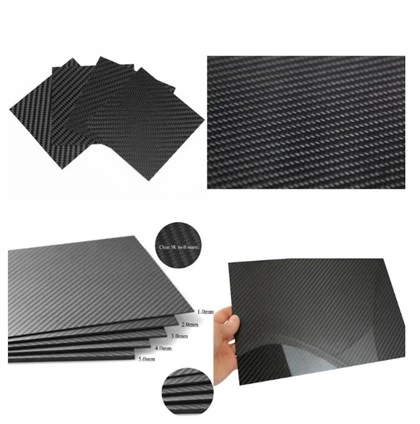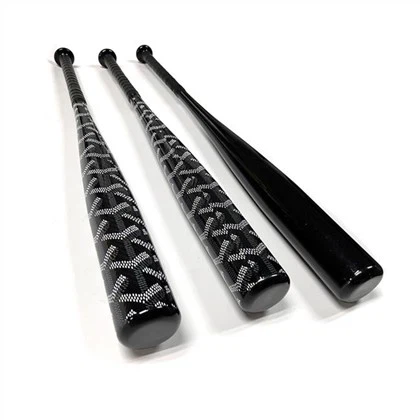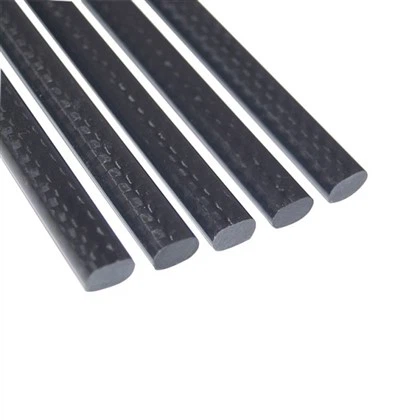
Selecting the ideal customized fiberglass shaped tube for your specific application requires careful consideration of various factors. To make an informed decision, evaluate the performance requirements, environmental conditions, and design specifications of your project. Consider the tube's mechanical properties, such as strength-to-weight ratio, durability, and resistance to corrosion. Assess the manufacturing process, including pultrusion or filament winding, to ensure optimal performance. Consult with experienced manufacturers who can provide tailored solutions and guide you through the selection process. By thoroughly analyzing these aspects, you can choose a high-performance, lightweight, and corrosion-resistant fiberglass shaped tube that meets your unique needs and enhances the overall efficiency of your application.
Understanding the Fundamentals of Customized Fiberglass Shaped Tubes
Composition and Properties of Fiberglass Shaped Tubes
Customized fiberglass shaped tubes are composite materials consisting of glass fibers embedded in a polymer resin matrix. This unique composition imparts exceptional properties to the tubes, making them suitable for a wide range of applications. The glass fibers provide strength and stiffness, while the resin matrix binds the fibers together and offers protection against environmental factors.
One of the key advantages of fiberglass shaped tubes is their impressive strength-to-weight ratio. They offer robust mechanical properties while remaining significantly lighter than traditional materials like steel or aluminum. This characteristic makes them particularly valuable in industries where weight reduction is crucial, such as aerospace, automotive, and marine applications.
Moreover, fiberglass shaped tubes exhibit remarkable corrosion resistance, outperforming many metal alternatives in harsh environments. They are impervious to rust and can withstand exposure to chemicals, saltwater, and other corrosive agents. This durability translates to reduced maintenance costs and extended service life for structures and components utilizing these tubes.
Manufacturing Processes for Customized Fiberglass Shaped Tubes
The production of customized fiberglass shaped tubes involves sophisticated manufacturing processes that ensure precise geometry and optimal performance. Two primary methods are commonly employed: pultrusion and filament winding.
Pultrusion is a continuous manufacturing process that creates consistent cross-sectional profiles. Glass fibers are pulled through a resin bath and then through a heated die, which shapes and cures the composite material. This method is ideal for producing long, straight tubes with uniform properties along their length.
Filament winding, on the other hand, offers greater flexibility in terms of shape and fiber orientation. In this process, continuous fibers are wound around a mandrel in specific patterns, then impregnated with resin and cured. This technique allows for the creation of complex geometries and tailored mechanical properties, making it suitable for applications requiring unique shapes or specialized performance characteristics.
Applications and Industries Utilizing Fiberglass Shaped Tubes
The versatility of customized fiberglass shaped tubes has led to their adoption across numerous industries. In the construction sector, these tubes are used for structural components, handrails, and architectural elements, benefiting from their lightweight nature and resistance to environmental degradation.
The marine industry extensively employs fiberglass shaped tubes in boat building, offshore platforms, and underwater structures. Their corrosion resistance and ability to withstand saltwater exposure make them ideal for these demanding applications.
In the energy sector, fiberglass shaped tubes find applications in wind turbine blades, where their high strength-to-weight ratio contributes to improved efficiency. They are also used in the oil and gas industry for pipelines and offshore equipment, leveraging their corrosion resistance and durability.
The aerospace and automotive industries utilize these tubes for interior components, structural reinforcements, and lightweight bodywork. Their ability to reduce overall vehicle weight while maintaining structural integrity aligns with the ongoing push for fuel efficiency and improved performance.
Key Factors to Consider When Selecting Customized Fiberglass Shaped Tubes
Mechanical Properties and Performance Requirements
When choosing customized fiberglass shaped tubes, it's crucial to evaluate the mechanical properties required for your specific application. Consider factors such as tensile strength, flexural modulus, and impact resistance. These properties will determine the tube's ability to withstand loads, resist deformation, and absorb energy under various conditions.
Assess the expected stress patterns and load distributions in your application. For instance, if the tube will be subjected to bending forces, focus on its flexural strength and stiffness. If impact resistance is a primary concern, look for tubes with higher toughness and energy absorption capabilities.
It's also important to consider the tube's fatigue resistance, especially for applications involving cyclic loading or vibrations. Fiberglass shaped tubes generally exhibit excellent fatigue properties, but the specific formulation and manufacturing process can influence their long-term performance under repeated stress.
Environmental Factors and Chemical Resistance
The operating environment plays a significant role in selecting the appropriate customized fiberglass shaped tube. Consider factors such as temperature range, humidity levels, and exposure to UV radiation. While fiberglass composites generally offer good environmental stability, extreme conditions may require specialized resin systems or additional protective measures.
Chemical resistance is another critical factor to evaluate. Identify the specific chemicals or substances that the tube may encounter during its service life. Different resin systems offer varying levels of resistance to acids, alkalis, solvents, and other corrosive agents. Consult with manufacturers to ensure the selected tube composition can withstand the chemical environment without degradation or loss of properties.
For applications in marine or coastal environments, pay special attention to the tube's resistance to saltwater and marine growth. Fiberglass shaped tubes are inherently resistant to corrosion, but certain additives or surface treatments can further enhance their performance in these challenging conditions.
Design Specifications and Customization Options
Customized fiberglass shaped tubes offer a wide range of design possibilities to meet specific application requirements. Consider the geometric constraints of your project, including length, diameter, wall thickness, and cross-sectional shape. The ability to tailor these parameters allows for optimal integration into your design while maximizing performance.
Explore the various customization options available, such as surface finishes, color matching, and the incorporation of additives for enhanced properties. Some manufacturers offer specialized coatings or treatments to improve UV resistance, fire retardancy, or electrical conductivity, depending on your application needs.
Don't overlook the potential for integrating additional features into the tube design. This may include molded-in inserts, reinforced sections, or provisions for joining and assembly. Collaborating closely with the manufacturer during the design phase can lead to innovative solutions that optimize the tube's functionality and ease of integration into your overall system.
Optimizing the Selection Process for Customized Fiberglass Shaped Tubes
Collaborating with Experienced Manufacturers
Engaging with knowledgeable manufacturers is paramount when selecting customized fiberglass shaped tubes. Experienced producers possess a wealth of expertise in materials science, engineering, and manufacturing processes. They can provide valuable insights into the most suitable fiber and resin combinations for your specific application, ensuring high performance and longevity.
Manufacturers can also offer guidance on design optimization, helping you refine your specifications to achieve the best balance between performance and cost-effectiveness. They may suggest alternative approaches or innovative solutions that you might not have considered initially, potentially leading to improved outcomes for your project.
Furthermore, reputable manufacturers often have extensive testing facilities and quality control measures in place. This ensures that the customized fiberglass shaped tubes you receive meet or exceed the required specifications and industry standards. Collaborating closely with manufacturers throughout the selection and production process can help mitigate risks and ensure a successful implementation of the tubes in your application.
Conducting Comprehensive Testing and Validation
Before finalizing your selection of customized fiberglass shaped tubes, it's crucial to conduct thorough testing and validation procedures. This may involve both laboratory testing and field trials to assess the tube's performance under realistic conditions.
Consider performing mechanical tests such as tensile, flexural, and impact testing to verify the tube's strength and durability. Environmental testing, including exposure to temperature extremes, humidity cycles, and UV radiation, can provide insights into the tube's long-term stability and resistance to degradation.
For applications involving specific chemical exposure, conduct immersion tests or chemical resistance evaluations to ensure the tube's compatibility with the intended environment. Additionally, if your application has unique performance requirements, develop custom test protocols that simulate the actual operating conditions as closely as possible.
Prototype testing and small-scale trials can be invaluable in identifying potential issues or areas for improvement before full-scale implementation. This iterative approach allows for refinements in design or material selection, ultimately leading to a more robust and reliable solution.
Considering Life Cycle Costs and Sustainability
When evaluating customized fiberglass shaped tubes, it's essential to look beyond the initial purchase price and consider the total life cycle costs. While fiberglass composites may have a higher upfront cost compared to some traditional materials, their long-term benefits often result in significant cost savings over the product's lifespan.
Factor in the reduced maintenance requirements and extended service life of fiberglass shaped tubes. Their corrosion resistance and durability often translate to fewer replacements and repairs, lowering overall operational costs. Additionally, the lightweight nature of these tubes can lead to savings in transportation, installation, and energy consumption in dynamic applications.
Sustainability is an increasingly important consideration in material selection. Assess the environmental impact of the fiberglass shaped tubes, including their carbon footprint during production, potential for recycling or repurposing at end-of-life, and energy efficiency benefits during use. Some manufacturers offer eco-friendly resin systems or incorporate recycled materials into their products, aligning with sustainability goals.
Consider the potential for fiberglass shaped tubes to contribute to green building certifications or compliance with environmental regulations in your industry. Their durability and low maintenance requirements can result in reduced resource consumption over time, supporting sustainable practices in your operations.
Conclusion
Selecting the right customized fiberglass shaped tube for your application requires a comprehensive approach. By understanding the fundamental properties, considering key factors like mechanical performance and environmental resistance, and optimizing the selection process through collaboration and testing, you can ensure the best possible outcome. Remember to evaluate life cycle costs and sustainability aspects to make an informed decision that aligns with both your immediate needs and long-term goals. With careful consideration and expert guidance, you can harness the benefits of high-performance, lightweight, and corrosion-resistant fiberglass shaped tubes to enhance your project's success.
Contact Us
For expert assistance in choosing the perfect customized fiberglass shaped tube for your application, contact Dongguan Juli Composite Materials Technology Co., Ltd. at sales18@julitech.cn or reach out to us on WhatsApp at +86 15989669840. Our team of specialists is ready to help you find the ideal solution for your unique requirements.
References
1. Smith, J.A. (2020). Advanced Composite Materials in Engineering Applications. Springer Publishing.
2. Johnson, R.B. & Thompson, L.M. (2019). Fiberglass Reinforced Plastics: Properties and Applications. Elsevier Science.
3. Chen, X. & Zhang, Y. (2021). Pultrusion Technology for Fiber-Reinforced Polymer Composites. Woodhead Publishing.
4. Davis, M.E. (2018). Corrosion Resistance of Fiber-Reinforced Polymer Composites in Marine Environments. Journal of Composite Materials, 52(14), 1925-1940.
5. Wilson, K.L. & Brown, A.R. (2022). Sustainable Composites: Innovations in Eco-Friendly Fiberglass Products. Green Materials, 10(3), 215-230.
6. Anderson, T.C. (2020). Design Optimization of Composite Tubular Structures for Aerospace Applications. Composite Structures, 245, 112327.