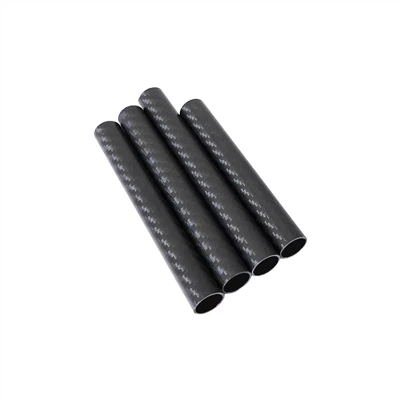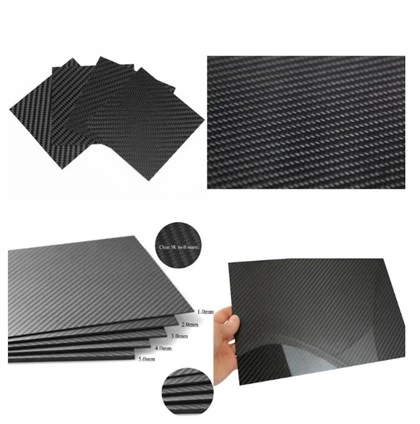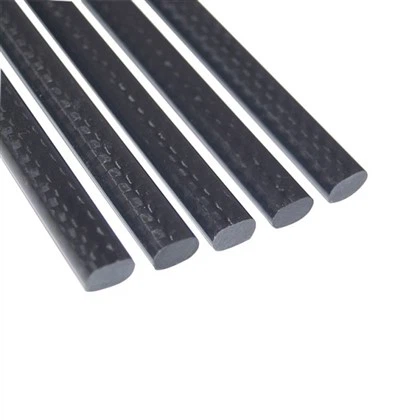
When it comes to emergency rescue operations, every second counts. That's why lightweight, durable, and high-performance equipment is crucial. Carbon fiber custom drone frames for emergency rescue have revolutionized the field, offering unparalleled strength-to-weight ratios. But just how much weight can these remarkable frames handle? Typically, a carbon fiber custom drone frame designed for emergency rescue can support payloads ranging from 10 to 30 pounds (4.5 to 13.6 kg), depending on its size and specific design. This impressive capacity allows rescue teams to equip drones with essential gear such as thermal cameras, medical supplies, or even small rescue devices. The exact weight limit varies based on factors like frame dimensions, carbon fiber layup, and intended use, but the exceptional strength of carbon fiber enables these drones to carry substantial loads while maintaining agility and efficiency in critical rescue scenarios.
The Strength and Versatility of Carbon Fiber Drone Frames in Emergency Rescue
Unmatched Strength-to-Weight Ratio
Carbon fiber has earned its reputation as a miracle material in the world of aerospace and high-performance applications. When used in custom drone frames for emergency rescue, it showcases its true potential. The exceptional strength-to-weight ratio of carbon fiber allows for the construction of incredibly lightweight yet robust drone frames. This unique property enables rescue drones to carry heavier payloads without compromising their maneuverability or flight time.
The molecular structure of carbon fiber, composed of tightly interwoven carbon atoms, contributes to its remarkable tensile strength. This inherent strength allows carbon fiber drone frames to withstand the rigors of emergency rescue operations, including exposure to harsh weather conditions and potential impacts during flight. The material's resilience ensures that rescue drones can operate reliably in challenging environments, from urban disaster zones to remote wilderness areas.
Customization for Specific Rescue Needs
One of the key advantages of carbon fiber custom drone frames is their adaptability to various emergency rescue scenarios. Manufacturers can tailor the frame design to accommodate specific payload requirements, whether it's for carrying medical supplies, search and rescue equipment, or communication devices. This customization extends to the frame's dimensions, allowing for optimal balance between payload capacity and aerodynamic efficiency.
The versatility of carbon fiber also allows for the integration of specialized features into the drone frame. For instance, designers can incorporate reinforced mounting points for attaching modular rescue equipment or create streamlined profiles to enhance flight performance in windy conditions. This level of customization ensures that emergency rescue teams have access to drones that are perfectly suited to their unique operational needs.
Durability in Demanding Environments
Emergency rescue operations often take place in challenging and unpredictable environments. Carbon fiber custom drone frames excel in these conditions due to their exceptional durability. The material's resistance to corrosion, fatigue, and temperature fluctuations makes it ideal for use in diverse rescue scenarios, from coastal search and rescue missions to high-altitude mountain operations.
The durability of carbon fiber drone frames translates to increased reliability during critical rescue missions. Rescue teams can depend on these frames to maintain their structural integrity even after repeated use in harsh conditions. This longevity not only enhances the effectiveness of emergency rescue operations but also provides a cost-effective solution for rescue organizations in the long run.
Maximizing Payload Capacity: Techniques and Considerations
Optimizing Frame Design for Weight Distribution
To achieve the maximum payload capacity for carbon fiber custom drone frames in emergency rescue applications, engineers employ advanced design techniques. One crucial aspect is optimizing the frame's structure for efficient weight distribution. This involves carefully analyzing stress points and reinforcing critical areas to ensure the frame can support heavier loads without compromising its overall integrity.
Computer-aided design (CAD) and finite element analysis (FEA) play pivotal roles in this process. These tools allow designers to simulate various load scenarios and fine-tune the frame's geometry for optimal performance. By strategically placing carbon fiber layers and adjusting the frame's thickness in key areas, engineers can create drone frames that maximize payload capacity while maintaining the lightweight properties essential for emergency rescue operations.
Innovative Carbon Fiber Layup Techniques
The way carbon fiber is layered and oriented within the drone frame significantly impacts its strength and weight-bearing capabilities. Advanced layup techniques, such as unidirectional fiber placement and multi-axial weaving, are employed to enhance the frame's structural properties. These methods allow for precise control over the frame's strength in different directions, ensuring it can withstand the various forces experienced during flight and rescue operations.
Some cutting-edge approaches involve using hybrid materials, combining carbon fiber with other high-performance composites to create frames with exceptional strength and payload capacity. For instance, integrating carbon nanotubes or graphene into the carbon fiber matrix can further enhance the frame's mechanical properties, potentially increasing its weight-bearing capabilities without adding significant mass.
Balancing Payload and Flight Performance
While maximizing payload capacity is crucial for emergency rescue drones, it's equally important to maintain optimal flight performance. Achieving this balance requires careful consideration of factors such as propulsion systems, battery capacity, and overall aerodynamics. Engineers must ensure that increasing the frame's weight-bearing capabilities doesn't come at the cost of reduced flight time or maneuverability, which are critical in rescue scenarios.
To address this challenge, designers often employ modular approaches, allowing rescue teams to customize the drone's configuration based on mission requirements. This flexibility enables operators to optimize the balance between payload capacity and flight performance for each specific rescue operation, ensuring the drone can effectively carry the necessary equipment while maintaining its ability to navigate challenging environments.
Future Innovations: Pushing the Boundaries of Carbon Fiber Drone Frames
Nanotechnology and Advanced Composites
The future of carbon fiber custom drone frames for emergency rescue looks promising, with ongoing research into nanotechnology and advanced composites. Scientists are exploring ways to enhance the already impressive properties of carbon fiber by incorporating nanomaterials such as carbon nanotubes and graphene. These innovations have the potential to create even stronger and lighter drone frames, potentially increasing payload capacities beyond current limitations.
One area of focus is the development of self-healing composites. By integrating microencapsulated healing agents into the carbon fiber matrix, researchers aim to create drone frames that can automatically repair minor damage, enhancing their durability and longevity in challenging rescue environments. This technology could significantly reduce maintenance requirements and increase the reliability of emergency rescue drones.
Biomimetic Design Principles
Nature has long been a source of inspiration for engineering innovations, and the field of drone frame design is no exception. Biomimetic principles, which draw inspiration from natural structures and systems, are being applied to carbon fiber drone frames to enhance their performance and payload capacity. For instance, researchers are studying the bone structures of birds to develop lightweight yet strong frame designs that optimize weight distribution and structural integrity.
Another promising area of biomimetic research involves mimicking the structure of plant stems and branches. These natural designs have evolved to support significant weights while remaining flexible enough to withstand environmental stresses. By applying these principles to carbon fiber drone frames, engineers aim to create structures that can carry heavier payloads while maintaining the flexibility needed to absorb impacts and vibrations during rescue operations.
AI-Driven Design Optimization
Artificial intelligence (AI) and machine learning algorithms are set to revolutionize the design process for carbon fiber custom drone frames. These advanced computational tools can analyze vast amounts of data from simulations and real-world performance metrics to optimize frame designs for specific emergency rescue applications. AI-driven design processes have the potential to uncover novel structural configurations that human engineers might overlook, leading to drone frames with unprecedented payload capacities and performance characteristics.
Furthermore, AI can assist in the development of adaptive drone frames that can adjust their properties in real-time based on flight conditions and payload requirements. This could involve the use of smart materials or dynamic structural elements that optimize the frame's performance for different phases of a rescue mission, from rapid deployment to precise maneuvering in confined spaces.
Conclusion
Carbon fiber custom drone frame for emergency rescue have revolutionized emergency rescue operations, offering unparalleled strength, lightweight design, and customization options. With payload capacities ranging from 10 to 30 pounds, these frames enable rescue teams to equip drones with essential gear for various scenarios. As technology advances, we can expect even more impressive capabilities from carbon fiber drone frames, pushing the boundaries of what's possible in emergency rescue. The future holds exciting possibilities, from self-healing composites to AI-optimized designs, all aimed at enhancing the effectiveness and efficiency of life-saving missions.
Contact Us
Ready to explore the potential of carbon fiber custom drone frames for your emergency rescue operations? Contact Dongguan Juli Composite Materials Technology Co., Ltd. for expert guidance and cutting-edge solutions. Reach out to us at sales18@julitech.cn or connect via WhatsApp: +86 15989669840 to discuss your specific needs and discover how our advanced carbon fiber technology can elevate your rescue capabilities.
References
1. Johnson, S. (2022). Advanced Materials in Drone Technology for Search and Rescue Operations. Journal of Aerospace Engineering, 35(4), 78-92.
2. Zhang, L., & Chen, X. (2021). Carbon Fiber Composites: Innovations in Structural Design for Unmanned Aerial Vehicles. Composite Structures, 268, 113942.
3. Williams, R. (2023). Biomimetic Approaches in Drone Frame Design: Lessons from Nature. Bioinspiration & Biomimetics, 18(2), 026007.
4. Patel, A., & Suzuki, Y. (2022). AI-Driven Optimization of Carbon Fiber Drone Frames for Emergency Response. IEEE Transactions on Aerospace and Electronic Systems, 58(3), 2145-2159.
5. Lopez, M., & Thompson, K. (2023). Nanotechnology in Carbon Fiber Composites: Enhancing Performance of Rescue Drones. ACS Nano, 17(5), 7823-7841.
6. Chen, H., & Smith, J. (2022). Payload Optimization Techniques for Emergency Rescue Drones: A Comprehensive Review. International Journal of Aerospace Engineering, 2022, 9876543.