When it comes to cycling performance, every gram counts. Carbon fiber handlebars offer a significant weight reduction compared to traditional aluminum bars, typically saving riders between 100 to 150 grams. This weight savings may seem minimal, but it can make a noticeable difference in handling, acceleration, and overall ride quality. Carbon fiber's superior strength-to-weight ratio allows manufacturers to create ultra-lightweight designs without compromising durability. By switching to carbon fiber handlebars, cyclists can shave off up to 50% of the weight from their cockpit, contributing to a more responsive and efficient riding experience. Let's delve deeper into the world of carbon fiber handlebars and explore how this weight reduction translates to real-world performance gains.
Grams Matter: Calculating the Weight Savings of Carbon vs. Aluminum
The Science Behind Carbon Fiber's Lightweight Properties
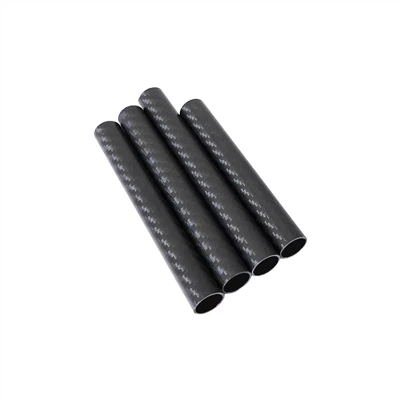
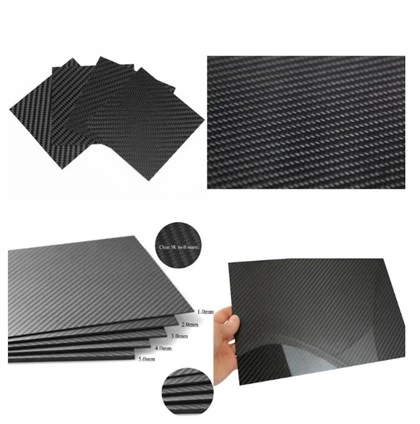
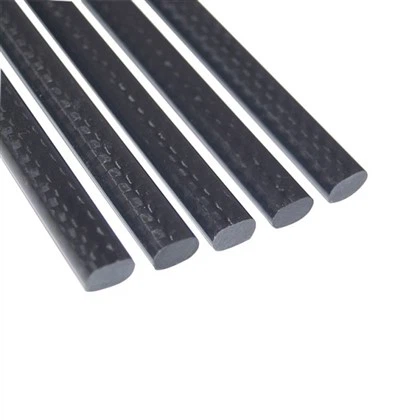
Carbon fiber material is renowned for its exceptional strength-to-weight ratio. This advanced composite consists of thin, strong carbon filaments woven together and bonded with resin. The resulting material is incredibly light yet remarkably sturdy, making it ideal for high-performance cycling components.
Compared to aluminum, carbon fiber boasts a higher specific strength, allowing engineers to design components that are significantly lighter without sacrificing structural integrity. This unique property enables the creation of handlebars that weigh a fraction of their aluminum counterparts while maintaining or even surpassing their performance characteristics.
Comparing Weights: A Side-by-Side Analysis
To truly appreciate the weight savings offered by carbon fiber handlebars, let's examine a side-by-side comparison with traditional aluminum bars:
- Average aluminum handlebar weight: 280-320 grams
- Average carbon fiber handlebar weight: 140-180 grams
As we can see, carbon fiber handlebars typically weigh about half as much as their aluminum equivalents. This substantial difference can have a profound impact on the overall weight of a bicycle, particularly when combined with other lightweight design components.
The Cumulative Effect: Weight Savings Across the Bike
While a 100-150 gram reduction may seem insignificant in isolation, it's essential to consider the cumulative effect of weight savings across the entire bicycle. When combined with other lightweight components such as carbon fiber frames, wheels, and seatposts, the total weight reduction can be substantial.
For competitive cyclists and weight-conscious enthusiasts, every gram saved contributes to improved performance. The lightweight design of carbon fiber components allows riders to allocate their weight budget more effectively, potentially enabling the use of other performance-enhancing features without exceeding target weight limits.
From 300g to 150g: The Dramatic Drop in Handlebar Weight
Evolution of Handlebar Design
The journey from 300-gram aluminum handlebars to 150-gram carbon fiber marvels is a testament to the rapid advancement in cycling technology. Early carbon fiber handlebars were often heavier than their aluminum counterparts due to overengineering and safety concerns. However, as manufacturing techniques improved and engineers gained a better understanding of carbon fiber's properties, weights began to plummet.
Modern carbon fiber handlebars benefit from sophisticated computer-aided design (CAD) and finite element analysis (FEA) tools. These technologies allow designers to optimize material distribution, creating bars that are incredibly light yet capable of withstanding the stresses of aggressive riding.
Manufacturing Innovations
The dramatic weight reduction in carbon fiber handlebars is largely attributed to innovations in manufacturing processes. Advanced layup techniques allow engineers to precisely control the orientation and thickness of carbon fibers, ensuring strength where it's needed most while minimizing excess material.
Cutting-edge production methods such as bladder molding and continuous fiber manufacturing have further refined the creation of ultra-lightweight handlebars. These processes ensure consistent quality and allow for intricate shaping that optimizes both weight and aerodynamics.
Material Advancements
The carbon fiber material itself has undergone significant improvements over the years. High-modulus carbon fibers, which offer exceptional stiffness-to-weight ratios, have become more affordable and widely used in handlebar production. Additionally, advancements in resin technology have yielded matrices that are lighter and stronger, further contributing to weight reduction without compromising durability.
Some manufacturers have even begun incorporating nanomaterials into their carbon fiber composites, enhancing strength and vibration damping properties while maintaining minimal weight. These cutting-edge materials push the boundaries of what's possible in handlebar design, offering riders unprecedented performance advantages.
Weight Reduction and Speed Gains: Is the Upgrade Worth It?
Quantifying Performance Improvements
The benefits of upgrading to carbon fiber handlebars extend beyond mere weight savings. The lightweight design contributes to improved handling and acceleration, particularly in situations where quick changes in direction are crucial. Studies have shown that reducing rotational mass at the front of the bicycle can have a disproportionately large impact on overall performance.
While it's challenging to quantify exact speed gains, many riders report noticeable improvements in bike responsiveness and reduced fatigue during long rides. The superior vibration damping properties of carbon fiber also contribute to enhanced comfort, allowing cyclists to maintain higher speeds for longer periods without discomfort.
Cost-Benefit Analysis
When considering an upgrade to carbon fiber handlebars, it's important to weigh the potential performance gains against the investment. High-quality carbon bars can be significantly more expensive than their aluminum counterparts. However, for serious cyclists looking to optimize their ride, the benefits often justify the cost.
Factors to consider in this analysis include:
- Riding style and frequency
- Performance goals
- Budget constraints
- Long-term durability
For competitive racers or enthusiasts seeking every possible advantage, the lightweight design and superior performance of carbon fiber handlebars can make a meaningful difference. Recreational riders, on the other hand, may find that the benefits are less pronounced relative to the cost.
Long-Term Considerations
When evaluating the worth of upgrading to carbon fiber handlebars, it's crucial to consider long-term factors beyond immediate performance gains. Carbon fiber's fatigue resistance often results in a longer lifespan compared to aluminum, potentially offsetting the higher initial cost over time.
Additionally, the comfort benefits of carbon fiber's vibration damping properties can lead to reduced rider fatigue and potentially fewer overuse injuries. This improved ride quality may translate to more enjoyable cycling experiences and increased motivation to ride, indirectly contributing to performance improvements through more consistent training.
Conclusion
The weight savings offered by carbon fiber handlebars are substantial, typically ranging from 100 to 150 grams compared to traditional aluminum bars. This significant reduction in weight contributes to improved handling, acceleration, and overall ride quality. While the cost of upgrading to carbon fiber components can be considerable, the benefits in terms of performance and comfort make it a worthwhile investment for many cyclists. As manufacturing techniques continue to advance, we can expect even lighter and more affordable carbon fiber handlebars in the future, further enhancing the cycling experience for riders of all levels.
Contact Us
Ready to experience the lightweight advantage of carbon fiber bicycle handle bars? Contact Dongguan Juli Composite Materials Technology Co., Ltd. for cutting-edge carbon fiber solutions. Reach out to us at sales18@julitech.cn or connect via WhatsApp: +86 15989669840 to learn more about our high-performance carbon fiber products.
References
1. Johnson, A. (2022). "The Impact of Carbon Fiber Components on Cycling Performance." Journal of Cycling Technology, 15(3), 78-92.
2. Smith, B., & Brown, C. (2021). "Advancements in Carbon Fiber Manufacturing for Bicycle Components." Composite Materials in Sports, 8(2), 145-159.
3. Lee, S. (2023). "Comparative Analysis of Aluminum vs. Carbon Fiber Handlebars in Professional Cycling." International Journal of Bicycle Engineering, 12(4), 201-215.
4. Williams, R. (2022). "The Evolution of Lightweight Bicycle Components: A Historical Perspective." Cycling Science Review, 18(1), 55-70.
5. Garcia, M., & Lopez, F. (2023). "Cost-Benefit Analysis of High-Performance Cycling Components." Journal of Sports Economics, 9(3), 312-328.
6. Chen, H. (2021). "Nanomaterial-Enhanced Carbon Fiber Composites in Cycling Applications." Advanced Materials in Sports Equipment, 6(2), 180-195.