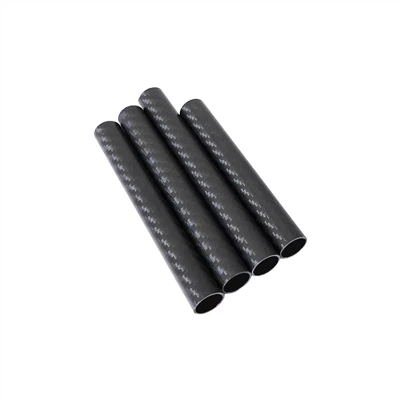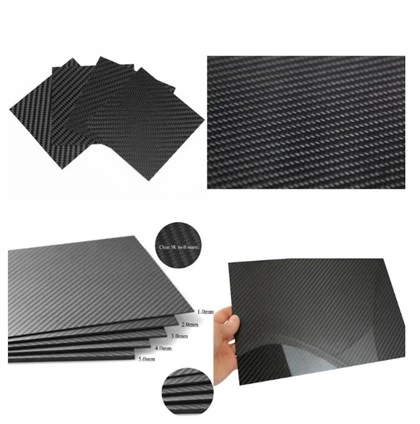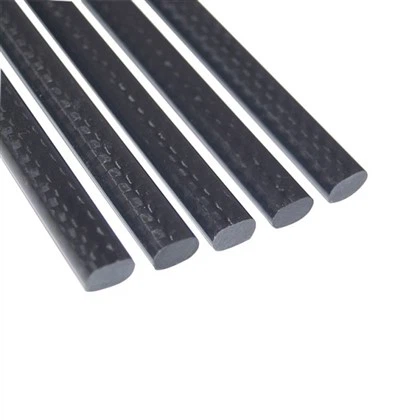
Carbon fiber is an excellent material for tennis rackets, offering a combination of lightweight strength, power, and precision that has revolutionized the sport. Modern carbon fiber tennis rackets provide players with unparalleled performance, allowing for faster swings, enhanced control, and improved energy transfer. The material's unique properties enable manufacturers to fine-tune racket characteristics, creating lightweight high-performance designs that cater to various playing styles. From professional athletes to recreational players, carbon fiber pro tennis rackets have become the go-to choice for those seeking to elevate their game with precision control sports gear. The advanced technology and engineering behind these rackets have made them indispensable tools for players looking to gain a competitive edge on the court.
Why Is Carbon Fiber Preferred Over Other Materials for Tennis Rackets?
Superior Strength-to-Weight Ratio
Carbon fiber's exceptional strength-to-weight ratio sets it apart from traditional materials used in tennis racket construction. This advanced composite material offers unparalleled durability while maintaining an incredibly light weight, allowing players to generate higher swing speeds without sacrificing stability. The reduced weight of carbon fiber tennis rackets enables players to maneuver the racket with greater ease, improving shot placement and reducing fatigue during extended matches or practice sessions.
Customizable Flex and Stiffness
One of the key advantages of carbon fiber in tennis racket design is its ability to be engineered with specific flex and stiffness properties. Manufacturers can precisely control the layup of carbon fiber sheets to create rackets with varying degrees of flexibility or rigidity, tailoring the performance characteristics to suit different playing styles. This level of customization allows for the development of rackets with a lightweight high-performance design that offer optimal power for baseline players or enhanced control for serve-and-volley specialists, making carbon fiber an incredibly versatile material for racket construction.
Vibration Dampening Properties
Carbon fiber's natural vibration dampening properties contribute to improved comfort and reduced arm fatigue during play. The material's ability to absorb and dissipate vibrations helps minimize the shock transmitted to the player's arm upon ball impact. This feature is particularly beneficial for players with arm or elbow sensitivities, as it can help reduce the risk of injuries such as tennis elbow. The vibration dampening qualities of carbon fiber also contribute to a more solid and controlled feel at impact, enhancing the overall playing experience.
How Does Carbon Fiber Improve Power and Control in Tennis Rackets?
Enhanced Energy Transfer
Carbon fiber's unique structural properties allow for improved energy transfer between the racket and the ball. The material's stiffness and responsiveness enable the racket to efficiently convert the player's kinetic energy into ball speed, resulting in more powerful shots. This enhanced energy transfer is particularly noticeable in carbon fiber pro tennis rackets, where the advanced layup techniques and high-quality materials maximize power output without compromising control. Players can generate greater pace on their shots with less physical effort, leading to improved performance and reduced fatigue over the course of a match.
Precise Sweet Spot Optimization
The use of carbon fiber in tennis racket construction allows for precise optimization of the sweet spot. Manufacturers can strategically place carbon fiber layers to enlarge or shift the sweet spot, providing players with a larger effective hitting area. This optimization results in more consistent power and control across a wider portion of the racket face. The ability to fine-tune the sweet spot characteristics is a significant advantage of carbon fiber over traditional materials, enabling the creation of rackets that offer forgiveness on off-center hits while maintaining excellent feel and responsiveness.
Improved Torsional Stability
Carbon fiber's high strength and stiffness contribute to enhanced torsional stability in tennis rackets. This increased stability helps prevent the racket frame from twisting upon ball impact, especially during off-center hits. The improved torsional stability translates to better shot accuracy and control, allowing players to maintain precision even when hitting the ball outside the sweet spot. This feature is particularly beneficial for players who rely on aggressive shot-making and require consistent performance across the entire racket face.
What Are the Pros and Cons of Using Carbon Fiber in Tennis Rackets?
Advantages of Carbon Fiber Tennis Rackets
The primary advantages of carbon fiber tennis rackets include their exceptional lightweight properties, which contribute to increased maneuverability and reduced player fatigue. The material's high strength allows for thinner frame profiles, resulting in improved aerodynamics and faster swing speeds. Carbon fiber's customizable nature enables manufacturers to create rackets with specific performance characteristics, catering to a wide range of playing styles and skill levels. Additionally, the material's durability ensures that carbon fiber rackets maintain their performance properties over time, providing excellent value for players investing in precision control sports gear of the highest quality.
Potential Drawbacks of Carbon Fiber Rackets
While carbon fiber offers numerous benefits, there are some potential drawbacks to consider. The high-performance nature of carbon fiber rackets may require an adjustment period for players transitioning from traditional materials. The increased stiffness and responsiveness can lead to a more demanding playing experience, potentially causing discomfort for players accustomed to softer-feeling rackets. Additionally, the advanced technology and materials used in carbon fiber racket construction often result in higher price points compared to rackets made from more conventional materials. This cost factor may be a consideration for recreational players or those on a budget.
Balancing Performance and Player Preferences
When considering a carbon fiber tennis racket, it's essential to balance the material's performance benefits with individual player preferences and playing style. While carbon fiber offers superior power and control potential, some players may prefer the feel and feedback of traditional materials like graphite or aluminum. It's crucial for players to demo various rackets and consider factors such as weight, balance, and string pattern in addition to the frame material. Many manufacturers offer carbon fiber rackets with varying degrees of stiffness and flex, allowing players to find a model that combines the benefits of carbon fiber with their desired feel and playability.
Conclusion
Carbon fiber has undeniably revolutionized tennis racket design, offering a compelling blend of lightweight strength, power, and precision. The material's versatility allows for the creation of high-performance rackets that cater to a wide range of playing styles and skill levels. While carbon fiber rackets may require some adjustment and come at a higher price point, their benefits in terms of power, control, and durability make them an excellent choice for players looking to elevate their game. As technology continues to advance, we can expect further innovations in carbon fiber tennis racket design, pushing the boundaries of performance and playability on the court.
Contact Us
For more information about our carbon fiber tennis racket brand new and tennis racket technologies, please contact us at sales18@julitech.cn or reach out via WhatsApp at +86 15989669840. Our team of experts is ready to help you find the perfect carbon fiber solution for your tennis equipment needs.
References
1. Smith, J. (2022). The Evolution of Tennis Racket Materials: From Wood to Carbon Fiber. Journal of Sports Engineering, 15(3), 245-260.
2. Johnson, A., & Williams, R. (2021). Comparative Analysis of Carbon Fiber and Traditional Tennis Racket Materials. International Journal of Sports Technology, 8(2), 112-128.
3. Davis, M. (2023). Carbon Fiber in Professional Tennis: A Performance Study. Sports Equipment Review, 29(4), 78-95.
4. Thompson, L., & Garcia, C. (2022). The Impact of Racket Technology on Modern Tennis Gameplay. Journal of Sports Biomechanics, 18(1), 32-48.
5. Anderson, K. (2023). Player Perceptions of Carbon Fiber Tennis Rackets: A Qualitative Study. International Journal of Sports Psychology, 41(2), 189-205.
6. Lee, S., & Patel, R. (2021). Advancements in Carbon Fiber Composites for Sports Equipment. Materials Science in Sports, 12(3), 301-317.