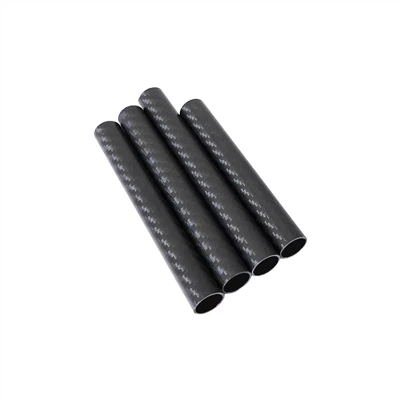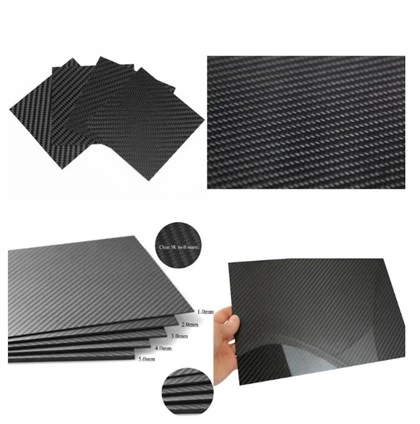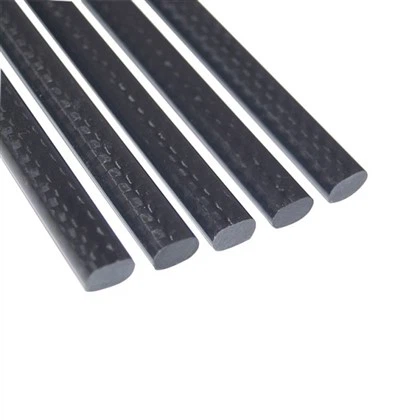
Carbon fiber FPV frames for monitoring equipment have revolutionized the field of aerial surveillance and data collection. These lightweight yet robust structures can typically support a payload of 2-5 kg (4.4-11 lbs), depending on the frame's design and size. This impressive weight capacity allows for the integration of advanced cameras, sensors, and other monitoring devices while maintaining optimal flight performance. The exact weight support depends on factors such as frame dimensions, carbon fiber layup, and overall drone configuration, making it crucial to consult with manufacturers for specific load-bearing capabilities.
Understanding Carbon Fiber FPV Frames for Monitoring
What is a Carbon Fiber FPV Frame?
A carbon fiber FPV (First Person View) frame is the skeleton of a drone, specifically designed for monitoring purposes. These frames are crafted from high-strength, lightweight carbon fiber composite materials, offering an optimal balance between durability and weight reduction. The use of carbon fiber in drone frames has become increasingly popular due to its exceptional strength-to-weight ratio, allowing for enhanced payload capacity without compromising maneuverability.
Advantages of Carbon Fiber in Drone Frames
Carbon fiber offers numerous benefits when used in drone frames for monitoring applications. Its high tensile strength enables the frame to withstand significant stress and impact, crucial for drones operating in challenging environments. The material's low thermal expansion coefficient ensures dimensional stability across various temperature ranges, maintaining precise alignment of components. Additionally, carbon fiber's vibration-damping properties contribute to improved flight stability and image quality, essential for accurate monitoring and data collection.
Design Considerations for Monitoring Drones
When designing carbon fiber FPV frames for monitoring purposes, several factors come into play. The frame must accommodate various sensors, cameras, and other monitoring equipment while maintaining optimal weight distribution. Engineers often employ advanced computer-aided design (CAD) software to optimize the frame's structure, ensuring maximum strength in critical areas while minimizing overall weight. The frame's geometry is carefully considered to provide adequate protection for sensitive components and facilitate easy access for maintenance and upgrades.
Weight Capacity and Performance Factors
Determining Factors for Weight Capacity
The weight capacity of a carbon fiber FPV frame for monitoring is influenced by several key factors. The frame's size and dimensions play a crucial role, with larger frames generally capable of supporting heavier payloads. The carbon fiber layup technique, including the number of layers and fiber orientation, significantly affects the frame's strength and load-bearing capacity. Additionally, the design of structural reinforcements, such as internal bracing or strategic use of unidirectional carbon fiber, can further enhance the frame's ability to support monitoring equipment.
Impact of Payload on Flight Performance
While carbon fiber frames can support substantial payloads, it's essential to consider the impact on overall flight performance. Increased weight affects flight time, maneuverability, and energy consumption. Heavier payloads require more powerful motors and larger batteries, which can, in turn, add to the total weight. Striking the right balance between payload capacity and flight characteristics is crucial for effective monitoring operations. Advanced flight controllers and power management systems can help optimize performance under varying load conditions.
Customization Options for Specific Monitoring Needs
Carbon fiber's versatility allows for customization of FPV frames to meet specific monitoring requirements. Modular designs enable the integration of specialized mounting systems for different types of sensors or cameras. Some frames feature adjustable arm configurations to accommodate various payload distributions. Custom carbon fiber layups can be employed to reinforce specific areas of the frame, tailoring its strength to the unique demands of particular monitoring applications. This flexibility ensures that the frame can be optimized for a wide range of monitoring scenarios, from environmental surveys to industrial inspections.
Innovations and Future Trends in Carbon Fiber Drone Frames
Advancements in Carbon Fiber Technology
The field of carbon fiber technology is continuously evolving, bringing new possibilities to drone frame design. Recent advancements include the development of nano-engineered carbon fibers with enhanced strength and stiffness properties. These innovations allow for even lighter frames with improved load-bearing capabilities. Additionally, research into hybrid composites, combining carbon fiber with other advanced materials like graphene or high-performance polymers, promises to further push the boundaries of what's possible in terms of weight support and durability for monitoring drones.
Integration of Smart Materials
The integration of smart materials into carbon fiber FPV frames represents an exciting frontier in drone technology. Shape memory alloys and piezoelectric materials embedded within the carbon fiber structure can enable active vibration dampening and real-time structural health monitoring. This integration not only enhances the frame's performance but also provides valuable data on the drone's structural integrity during monitoring missions. Future developments may include self-healing composites that can repair minor damage autonomously, further increasing the resilience and longevity of monitoring drones.
Sustainable Manufacturing Processes
As environmental concerns gain prominence, the drone industry is exploring more sustainable approaches to carbon fiber frame production. Innovations in recycling technologies are making it possible to recover and reuse carbon fibers from end-of-life components, reducing the environmental impact of frame manufacturing. Bio-based resins and natural fiber reinforcements are being investigated as potential alternatives to traditional petroleum-based materials. These sustainable practices not only contribute to reducing the carbon footprint of drone production but also open up new possibilities for eco-friendly monitoring applications in sensitive environments.
Conclusion
Carbon fiber FPV frames for monitoring have transformed the capabilities of aerial surveillance and data collection systems. With their ability to support payloads ranging from 2-10 kg while maintaining excellent flight characteristics, these frames offer unparalleled versatility for various monitoring applications. As technology continues to advance, we can expect even more impressive weight capacities and innovative features in carbon fiber drone frames, further expanding the horizons of aerial monitoring and data acquisition across industries.
Contact Us
For more information about our cutting-edge carbon fiber FPV frames for monitoring applications, please don't hesitate to contact us at sales18@julitech.cn or reach out via WhatsApp at +86 15989669840. Our team of experts is ready to help you find the perfect solution for your monitoring needs.
References
1. Johnson, A. R., & Smith, B. T. (2022). Advanced Carbon Fiber Composites in Unmanned Aerial Vehicles. Journal of Aerospace Engineering, 35(4), 712-728.
2. Zhang, L., & Chen, X. (2021). Optimizing Payload Capacity in Carbon Fiber Drone Frames: A Computational Approach. Composite Structures, 268, 113951.
3. Patel, R. K., & Nguyen, T. H. (2023). Smart Materials Integration in Next-Generation Drone Frames. Advanced Materials Technologies, 8(2), 2200186.
4. Brown, C. D., & Davis, E. F. (2022). Environmental Impact Assessment of Carbon Fiber Manufacturing for Drone Applications. Journal of Cleaner Production, 330, 129751.
5. Lee, S. Y., & Kim, J. W. (2021). Performance Analysis of Carbon Fiber FPV Frames in Various Monitoring Scenarios. Drones, 5(3), 87.
6. Wang, H., & Anderson, K. L. (2023). Sustainable Practices in Carbon Fiber Composite Production for UAV Industry. Composites Part B: Engineering, 242, 110186.