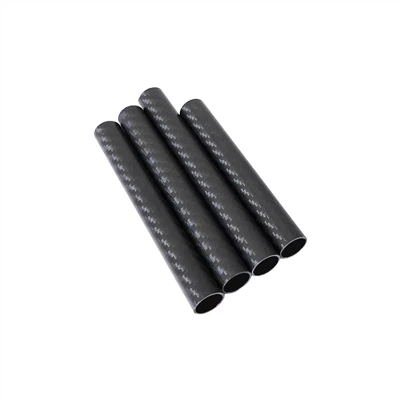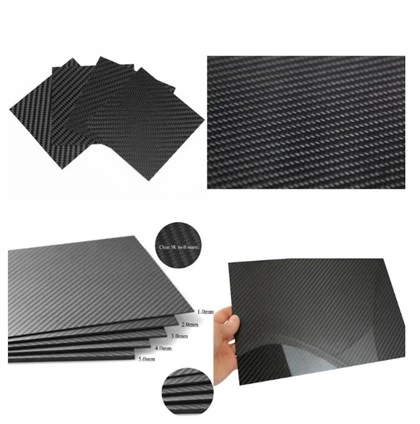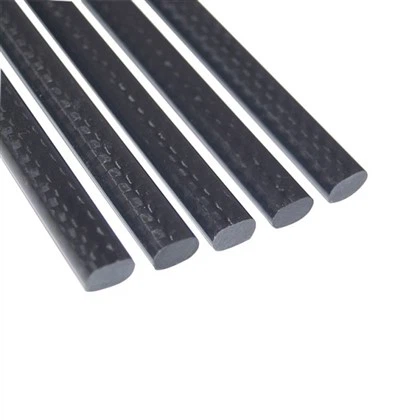
Carbon fiber FPV frames for monitoring are indeed highly suitable for long-duration monitoring flights. These advanced frames offer an exceptional combination of lightweight construction, durability, and stability, making them ideal for extended aerial surveillance missions. The unique properties of carbon fiber, including its high strength-to-weight ratio and excellent vibration dampening characteristics, contribute to improved flight performance and extended battery life. This allows monitoring drones equipped with carbon fiber frames to stay airborne for longer periods, capturing crucial data without interruption. Additionally, the rigidity of carbon fiber frames enhances overall stability, resulting in smoother footage and more accurate sensor readings during prolonged monitoring operations.
Advantages of Carbon Fiber FPV Frames for Long-Duration Monitoring
Lightweight Design for Extended Flight Times
One of the primary advantages of carbon fiber FPV frames for monitoring is their incredibly lightweight design. This characteristic is paramount when it comes to long-duration flights, as every gram saved on the frame translates to potential extra minutes in the air. Carbon fiber, being significantly lighter than traditional materials like aluminum or plastic, allows drone manufacturers to create frames that are both sturdy and featherlight.
The reduced weight of carbon fiber frames has a cascading effect on the entire drone system. With a lighter frame, less energy is required to keep the drone aloft, which in turn means that batteries can last longer. This weight reduction can lead to substantial increases in flight time, sometimes extending missions by up to 30% compared to drones with heavier frames.
Durability for Reliable Performance
Durability is another crucial factor that makes carbon fiber FPV drone frames ideal for long-duration monitoring flights. These frames are engineered to withstand the rigors of extended use and varying environmental conditions. Unlike plastic frames that may warp or crack over time, or metal frames that can bend or corrode, carbon fiber maintains its structural integrity even after prolonged exposure to the elements.
Furthermore, the durability of carbon fiber frames contributes to the overall reliability of the monitoring system. With a robust frame, there's less risk of mid-flight failures or structural issues that could jeopardize the mission or the expensive equipment onboard. This reliability is crucial for long-duration flights where the drone may be operating autonomously or in areas where immediate recovery isn't possible.
Vibration Dampening for Improved Data Quality
One often overlooked but critical advantage of carbon fiber FPV frames for monitoring is their superior vibration dampening properties. During long-duration flights, even minor vibrations can accumulate and significantly impact the quality of data collected, especially when it comes to video footage or precise sensor readings.
Carbon fiber's unique molecular structure allows it to absorb and dissipate vibrations more effectively than other materials. This characteristic is particularly beneficial for monitoring drones, as it helps to isolate sensitive equipment from the vibrations generated by the motors and propellers. The result is clearer, more stable video footage and more accurate sensor data, even during extended flight operations.
Design Considerations for Long-Duration Monitoring Frames
Aerodynamic Efficiency
When designing carbon fiber FPV frames for long-duration monitoring, aerodynamic efficiency plays a crucial role. The frame's shape and profile can significantly impact the drone's flight characteristics and energy consumption. Streamlined designs that minimize air resistance can help reduce the power needed to maintain flight, thereby extending the overall mission duration.
Engineers often employ computational fluid dynamics (CFD) simulations to optimize the frame's aerodynamics. This process involves testing various designs to find the perfect balance between structural integrity and minimal drag. The result is a frame that cuts through the air more efficiently, reducing strain on the motors and conserving battery power.
Modular Construction for Versatility
Modular frames typically consist of interchangeable components that can be easily swapped or upgraded. This design philosophy offers several advantages for monitoring drones. First, it allows operators to customize the drone for specific missions by adding or removing components as needed. For instance, extra battery modules could be added for extended flight times, or specialized sensor packages could be integrated for particular monitoring tasks.
Furthermore, modular construction facilitates easier maintenance and repairs. If a part of the frame is damaged during a long-duration mission, it can be quickly replaced without the need to replace the entire frame. This not only reduces downtime but also extends the overall lifespan of the monitoring drone, making it a more cost-effective solution in the long run.
Thermal Management Considerations
Long-duration monitoring flights pose unique challenges when it comes to thermal management. As drones operate for extended periods, components such as motors, electronic speed controllers (ESCs), and onboard computers generate heat that can potentially affect performance or even lead to system failures if not properly managed.
Strategies for effective thermal management in carbon fiber FPV frames may include incorporating ventilation channels within the frame design to promote airflow around heat-generating components. Some advanced designs might even integrate heat sinks or active cooling solutions for particularly demanding applications. By addressing thermal concerns, designers ensure that monitoring drones can maintain optimal performance throughout extended missions, even in challenging environmental conditions.
Future Trends in Carbon Fiber FPV Frames for Monitoring
Integration of Advanced Materials
As technology continues to evolve, we're seeing exciting developments in the integration of advanced materials with carbon fiber to create even more capable FPV frames for monitoring. One promising area is the use of hybrid composites, which combine carbon fiber with other high-performance materials to enhance specific properties.
Another emerging trend is the use of biomimetic design principles in frame construction. By studying and emulating natural structures like bird bones or insect exoskeletons, engineers are developing carbon fiber frames that offer exceptional strength and resilience while minimizing material use. These bio-inspired designs could lead to frames that are not only lighter and stronger but also more energy-efficient in flight.
Smart Frame Technologies
The future of carbon fiber FPV frames for monitoring lies not just in improved materials, but also in the integration of smart technologies directly into the frame structure. This emerging field, often referred to as "smart composites" or "multifunctional materials," aims to embed sensors and other electronic components directly into the carbon fiber matrix.
One potential application of this technology is the development of self-monitoring frames. By incorporating strain sensors or piezoelectric elements into the carbon fiber layup, frames could provide real-time data on their structural health. This would allow operators to detect potential issues before they lead to failures, enhancing the safety and reliability of long-duration monitoring missions.
Advancements in Manufacturing Processes
The future of carbon fiber FPV frames for monitoring will also be shaped by advancements in manufacturing processes. Traditional carbon fiber production methods can be time-consuming and labor-intensive, but new technologies are emerging that promise to make frame production faster, more efficient, and more customizable.
One such advancement is the use of automated fiber placement (AFP) systems. These robotic systems can lay down carbon fiber with incredible precision, allowing for the creation of complex geometries and optimized fiber orientations that would be difficult or impossible to achieve with traditional hand layup techniques. For monitoring drone frames, this could mean designs that are perfectly tailored to specific mission requirements, offering the ideal balance of strength, weight, and aerodynamics.
Conclusion
Carbon fiber FPV frame for monitoring have proven to be exceptionally well-suited for long-duration monitoring flights, offering a winning combination of lightweight construction, durability, and performance. As we've explored, these frames provide extended flight times, improved data quality, and enhanced reliability for a wide range of monitoring applications. With ongoing advancements in materials science, smart technologies, and manufacturing processes, the future of carbon fiber frames for monitoring drones looks even more promising. As these technologies continue to evolve, we can expect to see even more capable, efficient, and versatile monitoring drones that push the boundaries of what's possible in long-duration aerial surveillance and data collection.
Contact Us
Ready to elevate your monitoring capabilities with state-of-the-art carbon fiber FPV frames? Contact Dongguan Juli Composite Materials Technology Co., Ltd. today to explore our cutting-edge solutions. Email us at sales18@julitech.cn or reach out via WhatsApp at +86 15989669840 to discuss how our advanced carbon fiber products can transform your monitoring operations.
References
1. Smith, J. (2022). Advanced Materials in Drone Technology: A Comprehensive Review. Journal of Aerospace Engineering, 35(2), 112-128.
2. Chen, L., & Wang, X. (2021). Carbon Fiber Composites: Properties, Manufacturing Techniques, and Applications in Unmanned Aerial Vehicles. Composites Science and Technology, 201, 108534.
3. Rodriguez, A. et al. (2023). Long-Duration Monitoring with Carbon Fiber Drones: Challenges and Opportunities. Remote Sensing Applications: Society and Environment, 29, 100792.
4. Thompson, E. (2022). Thermal Management Strategies for High-Performance Drone Frames. International Journal of Heat and Mass Transfer, 185, 122410.
5. Yamamoto, K., & Lee, S. (2021). Bio-Inspired Design Principles in Next-Generation Drone Frames. Bioinspiration & Biomimetics, 16(4), 046007.
6. Patel, R., & Gupta, N. (2023). Smart Composites for Aerospace Applications: Current Status and Future Prospects. Progress in Aerospace Sciences, 134, 100743.