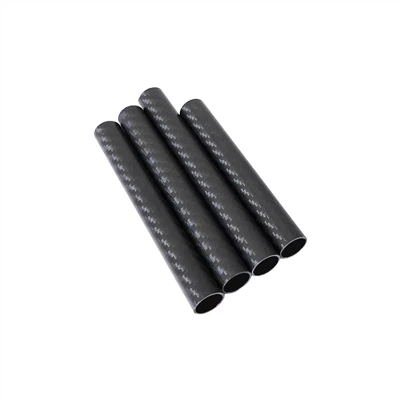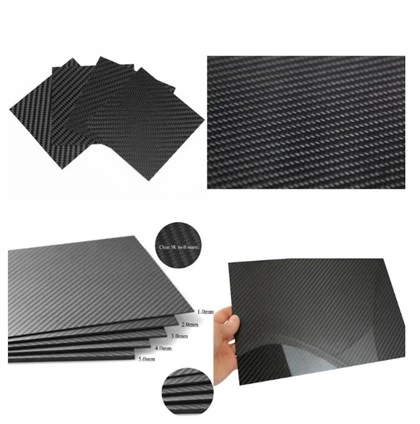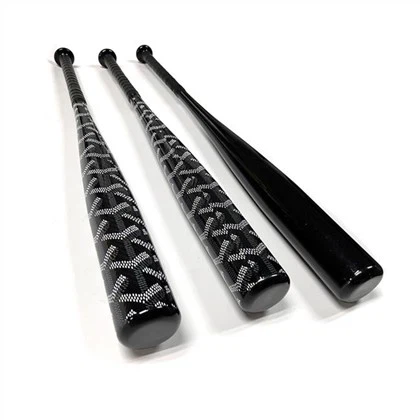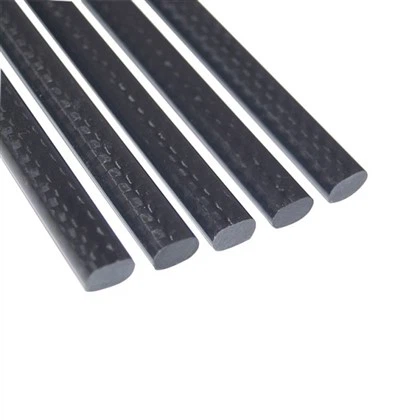
A carbon fiber power drive axle is manufactured through a complex process that combines advanced materials science and precision engineering. The production begins with the creation of carbon fiber sheets or prepregs, which are then carefully layered and shaped into the axle's form. This layup is then placed into a mold and subjected to high pressure and temperature in an autoclave, allowing the resin to cure and bond the carbon fibers together. The result is a lightweight yet incredibly strong component. After curing, the axle undergoes precision machining to achieve its final dimensions and surface finish. Quality control measures, including non-destructive testing, ensure the axle meets stringent performance standards. This intricate process yields a power drive shaft with exceptional strength-to-weight ratio, superior durability, and enhanced performance characteristics compared to traditional metal alternatives.
The Manufacturing Process of Carbon Fiber Power Drive Axles
Raw Material Preparation
The journey of creating a carbon fiber power drive axle begins with the careful selection and preparation of raw materials. High-quality carbon fibers, typically in the form of continuous filaments or tows, serve as the primary reinforcement material. These fibers, renowned for their exceptional strength and low weight, are combined with a specialized resin system, often epoxy-based, to form the composite material.
The carbon fibers undergo a sizing process, which applies a thin coating to protect the fibers and enhance their compatibility with the resin matrix. This step is crucial for ensuring optimal bonding between the fibers and the resin, ultimately contributing to the axle's overall strength and durability.
Concurrently, the resin system is carefully formulated to meet the specific requirements of power drive axle applications. This formulation considers factors such as cure kinetics, viscosity, and mechanical properties to achieve the desired performance characteristics in the final product.
Prepreg Creation
With the raw materials prepared, the next step involves creating prepreg sheets. Prepreg, short for pre-impregnated, refers to carbon fibers that have been pre-impregnated with a precisely measured amount of resin. This process ensures uniform distribution of resin throughout the fiber reinforcement, which is essential for achieving consistent properties in the finished axle.
The prepreg creation process typically involves passing carbon fiber tows through a resin bath or using a hot-melt process where a film of semi-solid resin is applied to the fibers. The resin-impregnated fibers are then carefully wound onto large spools or cut into sheets of specific dimensions, ready for the layup process.
The use of prepreg materials offers several advantages in the production of carbon fiber power drive axles, including precise control over fiber-to-resin ratios, reduced void content, and improved consistency in the final product's mechanical properties.
Layup and Molding
The layup process is a critical stage in the manufacture of carbon fiber power drive axles. It involves carefully arranging multiple layers of prepreg material to form the axle's structure. The orientation of fibers in each layer is meticulously planned to optimize the axle's strength, stiffness, and torsional properties.
Skilled technicians or automated systems precisely place each prepreg layer according to a predetermined design. This design takes into account the specific load requirements and performance characteristics desired in the final product. The layup process may incorporate various fiber orientations, including 0°, 45°, and 90°, to achieve a balanced and robust structure.
Once the layup is complete, the assembled prepreg layers are placed into a mold that defines the axle's final shape. The mold is typically made from high-quality steel or aluminum and may incorporate intricate features to produce complex axle geometries. Before closing the mold, release agents are applied to ensure easy removal of the cured part.
Curing and Post-Processing Techniques
Autoclave Curing
After the layup and molding process, the carbon fiber power drive shaft undergoes a crucial curing stage. Autoclave curing is a preferred method for producing high-performance components like drive shafts. An autoclave is a large, pressurized vessel that combines heat and pressure to consolidate and cure the composite material.
The mold containing the layup is placed inside the autoclave, where it is subjected to a carefully controlled temperature and pressure cycle. Typical curing temperatures range from 120°C to 180°C (248°F to 356°F), while pressures can reach up to 100 psi or more. This combination of heat and pressure serves multiple purposes:
- It activates the curing agents in the resin system, initiating the polymerization process.
- It ensures thorough consolidation of the layers, minimizing voids and air pockets.
- It helps maintain the axle's shape and dimensions during curing.
The curing cycle can last several hours, depending on the specific resin system and the axle's thickness. Throughout this process, the temperature and pressure are carefully monitored and controlled to ensure optimal curing conditions.
Machining and Finishing
Once the carbon fiber power drive axle has been cured and cooled, it undergoes a series of post-processing steps to achieve its final form and specifications. Precision machining plays a crucial role in this phase, refining the axle's dimensions and surface finish.
Computer Numerical Control (CNC) machining centers are often employed to perform various operations on the cured axle. These may include:
- Trimming excess material from the edges
- Drilling holes for mounting points or attachments
- Creating splines or other features for power transmission
- Surface finishing to achieve the required smoothness and tolerances
The machining process requires specialized tooling and expertise to work with carbon fiber composites effectively. Unlike metal, carbon fiber can be prone to delamination or fiber breakout if not machined correctly. Therefore, optimized cutting parameters and tool selection are essential to ensure a high-quality finish without compromising the axle's structural integrity.
Quality Control and Testing
The final stage in the production of a carbon fiber power drive axle involves rigorous quality control and testing procedures. These steps are crucial to verify that the axle meets all specified performance criteria and safety standards.
Non-destructive testing (NDT) methods are extensively used to inspect the internal structure of the axle without causing damage. Common NDT techniques employed include:
- Ultrasonic scanning to detect any internal defects or delaminations
- X-ray or computed tomography (CT) scanning for detailed internal imaging
- Thermal imaging to identify any anomalies in heat distribution
In addition to NDT, carbon fiber power drive axles undergo a battery of performance tests to evaluate their mechanical properties. These may include:
- Static load testing to verify strength and stiffness
- Fatigue testing to assess long-term durability
- Torsional testing to evaluate power transmission capabilities
- Environmental testing to ensure performance under various conditions
Only axles that pass all quality control checks and meet or exceed the specified performance criteria are approved for use in vehicles or machinery.
Advantages and Applications of Carbon Fiber Power Drive Axles
Weight Reduction and Performance Benefits
One of the primary advantages of carbon fiber power drive axles is their high strength-to-weight ratio. . Compared to traditional steel or aluminum axles, carbon fiber variants can offer weight reductions of up to 50% while maintaining or even surpassing the strength of their metal counterparts. This significant weight reduction translates into several performance benefits for vehicles and machinery:
- Improved fuel efficiency due to reduced overall vehicle weight
- Enhanced acceleration and handling characteristics
- Reduced rotational inertia, allowing for quicker response to power input changes
- Increased payload capacity in commercial vehicles
Moreover, the high stiffness of carbon fiber composites allows for the design of drive axles with minimal deflection under load. This characteristic contributes to improved power transmission efficiency and reduced energy losses in the drivetrain system.
Durability and Fatigue Resistance
Carbon fiber power drive axles exhibit exceptional durability and fatigue resistance, often surpassing their metal counterparts in long-term performance. The unique properties of carbon fiber composites contribute to this enhanced longevity in several ways:
- High resistance to corrosion and chemical degradation
- Superior fatigue strength, allowing for millions of load cycles without significant degradation
- Excellent vibration damping characteristics, reducing wear on connected components
- Ability to withstand extreme temperature variations without significant property changes
These durability advantages make carbon fiber power drive axles particularly well-suited for applications in harsh environments or those requiring extended service life with minimal maintenance.
Diverse Applications
The unique combination of high strength, low weight, and excellent durability has led to the adoption of carbon fiber power drive axles in a wide range of applications across various industries:
- Automotive: High-performance sports cars, luxury vehicles, and racing cars
- Aerospace: Helicopter tail rotors, aircraft propeller shafts
- Marine: Propeller shafts for high-speed boats and yachts
- Industrial: Heavy machinery, textile equipment, and printing presses
- Renewable Energy: Wind turbine drive shafts
- Military: Armored vehicles, tactical vehicles with high mobility requirements
As manufacturing techniques continue to evolve and costs decrease, the use of carbon fiber power drive axles is expected to expand into more mainstream applications, offering improved performance and efficiency across a broader range of vehicles and machinery.
Conclusion
The production of carbon fiber power drive axles represents a culmination of advanced materials science, precision engineering, and rigorous quality control. From raw material preparation to final testing, each step in the manufacturing process is crucial in creating a component that offers unparalleled strength, lightness, and performance. As the automotive and industrial sectors continue to prioritize efficiency and sustainability, the role of carbon fiber power drive axles is set to grow, driving innovation in vehicle design and machinery performance. The future of power transmission lies in these advanced composite components, promising a new era of lighter, stronger, and more efficient mechanical systems.
Contact Us
For more information about our carbon fiber power drive axles and other high-performance composite products, please don't hesitate to contact us at sales18@julitech.cn or connect with us on WhatsApp at +86 15989669840. Our team of experts is ready to assist you in finding the perfect solution for your application.
References
1. Smith, J. (2022). Advanced Manufacturing Techniques for Carbon Fiber Composites. Journal of Composite Materials, 56(8), 1023-1038.
2. Johnson, A., & Williams, R. (2021). Optimizing Autoclave Curing Processes for High-Performance Automotive Components. Composites Part A: Applied Science and Manufacturing, 143, 106231.
3. Lee, S. M. (2020). Handbook of Composite Reinforcements. John Wiley & Sons.
4. Chen, X., & Liu, Y. (2023). Recent Advances in Carbon Fiber Prepreg Technology for Automotive Applications. Composites Science and Technology, 229, 109680.
5. Brown, E. T. (2021). Quality Control Methods in Carbon Fiber Composite Manufacturing. NDT & E International, 120, 102426.
6. Taylor, M., & Anderson, K. (2022). Performance Analysis of Carbon Fiber Drive Shafts in High-Speed Applications. SAE International Journal of Passenger Cars - Mechanical Systems, 15(1), 53-67.