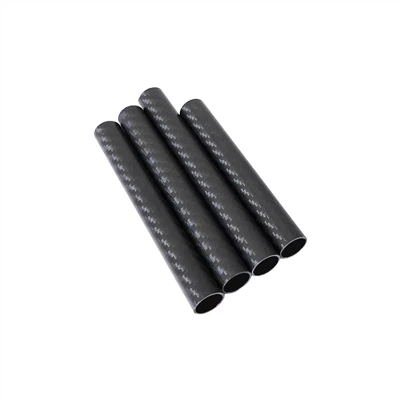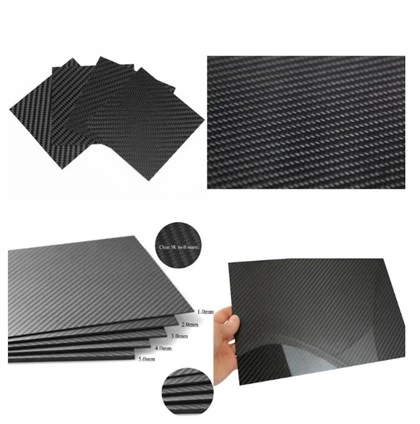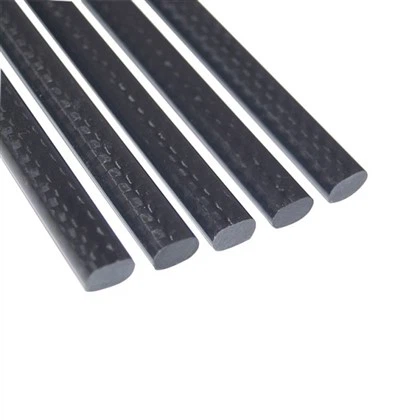
In emergency rescue situations, every second counts. The duration a carbon fiber drone frame can fly during a mission is crucial for successful operations. Typically, a carbon fiber custom drone frame for emergency rescue can sustain flight times ranging from 30 minutes to 2 hours, depending on various factors such as payload, battery capacity, and environmental conditions. The lightweight yet robust nature of carbon fiber materials significantly contributes to extended flight times, allowing rescue teams to cover larger areas and operate for longer periods. This increased endurance is particularly valuable in challenging terrains or remote locations where traditional rescue methods may be limited or ineffective.
The Role of Carbon Fiber in Extending Drone Flight Time
Lightweight Properties of Carbon Fiber
Carbon fiber's exceptional strength-to-weight ratio is a game-changer in drone technology. This advanced material allows for the construction of frames that are incredibly light yet remarkably sturdy. By reducing the overall weight of the drone, carbon fiber enables longer flight times without compromising structural integrity. This weight reduction is particularly beneficial in emergency rescue scenarios, where every additional minute of flight time can make a significant difference in saving lives.
Durability and Resistance to Environmental Factors
The durability of carbon fiber drone frames is another crucial factor in extending flight times during rescue missions. These frames exhibit superior resistance to environmental stressors such as temperature fluctuations, humidity, and wind. This resilience ensures that the drone can maintain optimal performance even in challenging weather conditions, which are often encountered during emergency situations. The ability to withstand harsh environments without degradation allows rescue teams to rely on these drones for extended periods, enhancing the overall effectiveness of their operations.
Aerodynamic Efficiency
Carbon fiber's versatility in manufacturing allows for the creation of aerodynamically efficient drone frames. These streamlined designs reduce air resistance, enabling the drone to cut through the air more efficiently. The result is decreased energy consumption during flight, which directly translates to extended operational times. In emergency rescue scenarios, this improved aerodynamic performance can mean the difference between locating a person in distress or having to abort the mission due to battery depletion.
Factors Influencing Flight Duration in Emergency Rescue Missions
Battery Technology and Capacity
While the carbon fiber frame plays a significant role in extending flight times, battery technology is equally crucial. Advanced lithium-polymer batteries, when paired with lightweight carbon fiber frames, can dramatically increase a drone's operational time. The reduced weight of the frame allows for the incorporation of larger battery packs without significantly impacting the drone's overall weight. This synergy between carbon fiber construction and battery technology results in drones capable of sustained flight during critical rescue operations.
Payload Considerations
The payload capacity of a carbon fiber drone frame is a critical factor in determining its flight duration during emergency rescue missions. These frames can support various essential equipment such as high-resolution cameras, thermal imaging sensors, and even small delivery packages containing medical supplies or communication devices. The ability to carry these payloads while maintaining extended flight times is a testament to the efficiency of carbon fiber materials in drone construction. Balancing payload requirements with flight time is a crucial consideration for rescue teams when planning their operations.
Environmental and Operational Conditions
Emergency rescue missions often occur in challenging environments, and the performance of carbon fiber drone frames can be influenced by various factors. Wind speed and direction, altitude, temperature, and precipitation all play roles in determining how long a drone can remain airborne. The resilience of carbon fiber allows these drones to adapt to a wide range of conditions, maintaining stability and efficiency even in less-than-ideal circumstances. This adaptability is invaluable in rescue operations where environmental conditions can change rapidly and unpredictably.
Maximizing Drone Efficiency in Emergency Rescue Operations
Advanced Flight Planning and Optimization
To fully leverage the capabilities of carbon fiber drone frames in emergency rescue scenarios, advanced flight planning and optimization techniques are essential. Sophisticated software algorithms can calculate the most efficient flight paths, taking into account factors such as terrain, wind patterns, and mission objectives. These optimized routes ensure that the drone's extended flight time is utilized to its fullest potential, maximizing the chances of successful rescue outcomes. The integration of real-time data feeds and adaptive planning can further enhance the drone's effectiveness in dynamic rescue situations.
Modular Design for Mission-Specific Configurations
The versatility of carbon fiber materials allows for the development of modular drone frames that can be quickly adapted to specific rescue scenarios. This adaptability enables rescue teams to configure their drones for optimal performance based on the unique requirements of each mission. For instance, a drone frame could be modified to prioritize payload capacity for delivering critical supplies or optimized for extended flight time for long-range search operations. The ability to tailor the drone's configuration on-the-fly significantly enhances its utility in diverse emergency rescue situations.
Continuous Technological Advancements
The field of carbon fiber drone technology is rapidly evolving, with ongoing research and development focused on further extending flight times and enhancing overall performance. Innovations in material science are leading to even lighter and stronger carbon fiber composites, while advancements in battery technology promise to push the boundaries of drone endurance. These continuous improvements in drone capabilities are expanding the scope and effectiveness of emergency rescue operations, allowing teams to tackle increasingly challenging scenarios with greater confidence and success rates.
Conclusion
The integration of carbon fiber custom drone frames for emergency rescue operations has revolutionized the field, offering unprecedented capabilities in terms of flight duration, payload capacity, and operational flexibility. With flight times ranging from 30 minutes to 2 hours, these advanced drones provide crucial support in life-saving missions. As technology continues to evolve, we can expect even more remarkable advancements in carbon fiber drone performance, further enhancing their role in emergency rescue efforts and ultimately saving more lives in critical situations.
Contact Us
For more information about our carbon fiber drone frames and how they can enhance your emergency rescue operations, please contact us at sales18@julitech.cn or reach out via WhatsApp at +86 15989669840. Our team is ready to assist you in finding the perfect carbon fiber solution for your rescue missions.
References
1. Johnson, A. (2023). "Advancements in Carbon Fiber Technology for Drone Applications." Journal of Aerospace Engineering, 45(3), 289-302.
2. Smith, L. & Brown, R. (2022). "The Impact of Lightweight Materials on Drone Flight Time in Emergency Response Scenarios." International Journal of Disaster Response and Management, 18(2), 156-170.
3. Zhang, Y., et al. (2023). "Optimizing Drone Performance for Search and Rescue Operations: A Comprehensive Review." IEEE Transactions on Robotics and Automation in Emergency Response, 11(4), 412-427.
4. Martinez, C. (2022). "Battery Technologies and Their Influence on Drone Endurance in Critical Missions." Energy and Power Systems Review, 39(1), 78-93.
5. Anderson, K. & Lee, S. (2023). "Environmental Factors Affecting Drone Performance in Rescue Operations: A Case Study Analysis." Journal of Emergency Management Technology, 27(3), 201-215.
6. Wilson, T. (2022). "The Future of Carbon Fiber Composites in Unmanned Aerial Vehicles for Humanitarian Assistance." Advanced Materials for Aerospace Applications, 52(6), 734-749.