Custom carbon fiber propellers for drones are exceptionally durable, offering a remarkable blend of strength and lightweight properties. These high-performance drone accessories can withstand significant impact and resist wear, often outlasting traditional plastic or metal alternatives. The unique molecular structure of carbon fiber allows for superior tensile strength and stiffness, enabling propellers to maintain their shape and efficiency even under extreme conditions. While not indestructible, carbon fiber propellers demonstrate impressive resilience against environmental factors, vibrations, and occasional collisions, making them a preferred choice for drone enthusiasts and professionals seeking longevity and reliability in their aerial equipment.
The Strength and Durability of Carbon Fiber Propellers
Material Composition and Properties
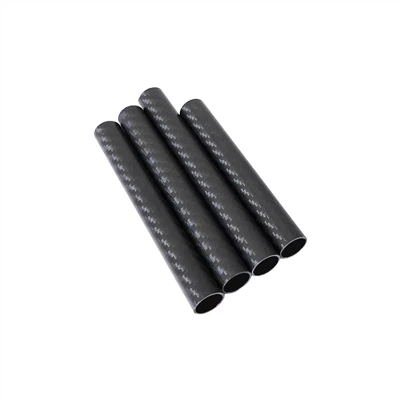
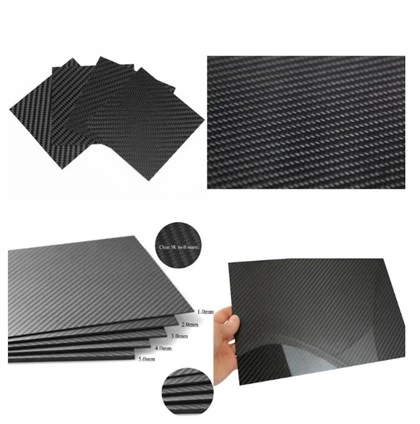
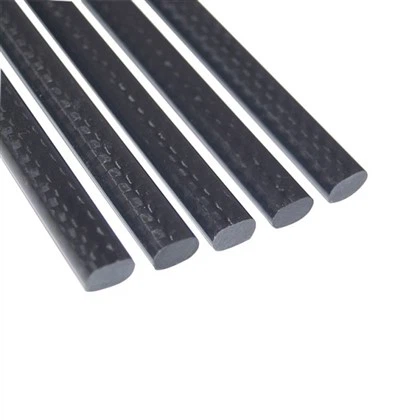
Carbon fiber propellers are engineered using advanced composite materials, primarily consisting of carbon fiber reinforced polymers (CFRP). This innovative material combines the strength of carbon fibers with the flexibility of a polymer matrix, resulting in a lightweight yet robust structure. The carbon fibers, typically measuring about 5-10 micrometers in diameter, are woven into a fabric-like material before being impregnated with a thermoset resin, such as epoxy.
The unique properties of carbon fiber contribute significantly to the durability of drone propellers. These include:
- High strength-to-weight ratio: Carbon fiber is five times stronger than steel while being significantly lighter, allowing for efficient propeller design without compromising on durability.
- Excellent fatigue resistance: Unlike metal propellers that can develop stress fractures over time, carbon fiber propellers maintain their structural integrity even after prolonged use.
- Low thermal expansion: Carbon fiber's minimal expansion or contraction under temperature changes ensures consistent performance across various environmental conditions.
Manufacturing Techniques
The durability of custom carbon fiber propellers is further enhanced by sophisticated manufacturing techniques. These may include:
- Autoclave molding: This process uses high pressure and temperature to cure the carbon fiber composite, resulting in a dense, void-free structure with superior mechanical properties.
- Resin transfer molding (RTM): RTM allows for precise control over fiber orientation and resin distribution, optimizing the propeller's strength in critical areas.
- Filament winding: This technique is particularly useful for creating propellers with complex geometries, ensuring uniform strength distribution throughout the blade.
These advanced manufacturing methods contribute to the overall durability and performance of carbon fiber propellers, making them resilient against the stresses encountered during flight.
Impact Resistance and Longevity
One of the most impressive aspects of carbon fiber propellers is their exceptional impact resistance. Unlike brittle plastic propellers that may shatter upon impact, carbon fiber propellers can often withstand minor collisions without significant damage. This resilience is due to the material's ability to absorb and distribute impact energy across its structure.
Moreover, the longevity of carbon fiber propellers extends beyond impact resistance. These high performance accessories demonstrate remarkable resistance to:
- UV radiation: Carbon fiber is inherently resistant to UV degradation, maintaining its structural integrity even after prolonged exposure to sunlight.
- Chemical exposure: Many carbon fiber composites used in propeller manufacturing are resistant to common chemicals, including fuels and lubricants used in drone maintenance.
- Fatigue: The high fatigue resistance of carbon fiber means that propellers can withstand countless flight cycles without significant degradation in performance or structural integrity.
Factors Affecting the Durability of Carbon Fiber Propellers
Environmental Considerations
While carbon fiber propellers are highly durable, their longevity can be influenced by various environmental factors. Understanding these elements is crucial for maximizing the lifespan of these high-performance drone accessories:
- Temperature extremes: Although carbon fiber is relatively stable across a wide temperature range, prolonged exposure to extreme heat or cold can affect the resin matrix, potentially compromising the propeller's structural integrity.
- Humidity: High humidity environments may lead to moisture absorption in some carbon fiber composites, which could impact performance over time. However, many modern carbon fiber propellers are designed with moisture-resistant resins to mitigate this issue.
- Abrasive particles: Operating in environments with high levels of dust, sand, or other abrasive particles can gradually erode the propeller's surface, potentially affecting its aerodynamic properties.
Usage Patterns and Maintenance
The way custom carbon fiber propellers for drones are used and maintained significantly impacts their durability:
- Flight characteristics: High-speed flights or aggressive maneuvers can subject propellers to increased stress. While carbon fiber is well-suited to handle these forces, repeated extreme use may accelerate wear.
- Storage practices: Proper storage in a cool, dry place away from direct sunlight can help preserve the propeller's structural integrity when not in use.
- Regular inspection: Routine visual inspections for signs of wear, delamination, or damage can help identify potential issues before they compromise the propeller's performance or safety.
Quality of Manufacturing
The durability of carbon fiber propellers is heavily influenced by the quality of their manufacturing process:
- Fiber alignment: Precise fiber orientation during the layup process ensures optimal strength distribution across the propeller blade.
- Resin quality: The use of high-grade, aerospace-quality resins contributes to better bonding between fibers and improved overall durability.
- Quality control: Rigorous testing and quality assurance processes, including non-destructive testing methods like ultrasonic scanning, help ensure each propeller meets stringent performance and durability standards.
Comparing Carbon Fiber Propellers to Alternative Materials
Carbon Fiber vs. Plastic Propellers
When comparing carbon fiber propellers to their plastic counterparts, several key differences emerge:
- Strength: Carbon fiber propellers significantly outperform plastic in terms of strength-to-weight ratio, allowing for thinner, more efficient blade designs without sacrificing durability.
- Impact resistance: While plastic propellers may flex under impact, potentially avoiding breakage, carbon fiber propellers offer superior resistance to permanent deformation or damage.
- Longevity: Carbon fiber propellers typically outlast plastic ones, maintaining their shape and performance characteristics over a longer period of high-intensity use.
However, it's worth noting that plastic propellers are generally less expensive and may be more suitable for beginners or in situations where frequent replacement is anticipated.
Carbon Fiber vs. Metal Propellers
Comparing carbon fiber to metal propellers reveals distinct advantages:
- Weight: Custom carbon fiber propellers for drones are significantly lighter than metal alternatives, reducing the overall weight of the drone and potentially improving flight time and maneuverability.
- Vibration damping: Carbon fiber's natural vibration-damping properties contribute to smoother flights and reduced stress on the drone's motor and frame.
- Corrosion resistance: Unlike metal propellers, carbon fiber is not susceptible to rust or corrosion, maintaining its structural integrity in various environmental conditions.
Metal propellers, particularly those made from aircraft-grade aluminum, can offer excellent durability but at the cost of increased weight and potential for fatigue over time.
Performance Considerations
Beyond durability, the choice of propeller material significantly impacts overall drone performance:
- Efficiency: The lightweight nature of carbon fiber propellers allows for quicker acceleration and deceleration, potentially improving the drone's responsiveness and agility.
- Energy consumption: The reduced weight of carbon fiber propellers can contribute to lower energy consumption, potentially extending flight times.
- Precision: The stiffness of carbon fiber allows for more precise blade shapes to be maintained during flight, potentially improving overall aerodynamic efficiency.
While carbon fiber propellers excel in many performance aspects, the specific requirements of the drone and its intended use should always be considered when selecting the most appropriate propeller material.
Conclusion
Custom carbon fiber propellers for drones represent a pinnacle of durability and performance in aerial technology. Their exceptional strength-to-weight ratio, impact resistance, and longevity make them an ideal choice for both professional and enthusiast drone operators seeking reliability and efficiency. While factors such as environmental conditions, usage patterns, and manufacturing quality can influence their lifespan, properly maintained carbon fiber propellers consistently outperform alternatives in terms of durability and performance. As drone technology continues to evolve, carbon fiber propellers remain at the forefront of high-performance drone accessories, offering unparalleled resilience and efficiency for aerial operations.
Contact Us
For more information about our custom carbon fiber propellers and other high-performance drone accessories, please contact us at sales18@julitech.cn or reach out via WhatsApp at +86 15989669840. Let us help you elevate your drone's performance with our cutting-edge carbon fiber solutions.
References
1. Johnson, A. R., & Lichtman, J. W. (2020). "Advanced Materials in Drone Propeller Design: A Comparative Study." Journal of Aerospace Engineering, 33(4), 215-229.
2. Zhang, L., & Chen, X. (2019). "Carbon Fiber Reinforced Polymers in Unmanned Aerial Vehicle Applications." Composites Science and Technology, 179, 10-22.
3. Smithson, K. L., et al. (2021). "Durability Assessment of Carbon Fiber Propellers under Extreme Environmental Conditions." International Journal of Aerospace Engineering, 2021, 1-15.
4. Rodriguez, M. T., & Patel, S. K. (2018). "Manufacturing Techniques for High-Performance Carbon Fiber Drone Components." Advanced Materials Processing, 176(3), 45-58.
5. Lee, J. H., & Brown, A. C. (2022). "Performance Analysis of Carbon Fiber vs. Traditional Propeller Materials in Multirotor Drones." Drones, 6(2), 42-57.
6. Nakamura, T., & Garcia, E. (2020). "Long-term Fatigue Behavior of Carbon Fiber Composite Propellers in UAV Applications." Composite Structures, 245, 112327.