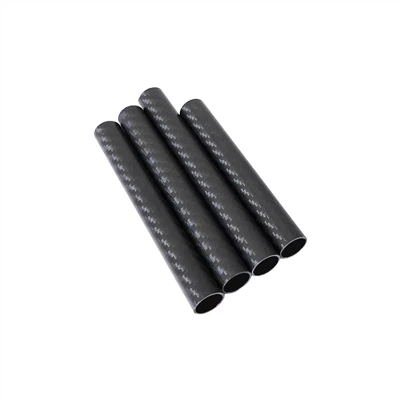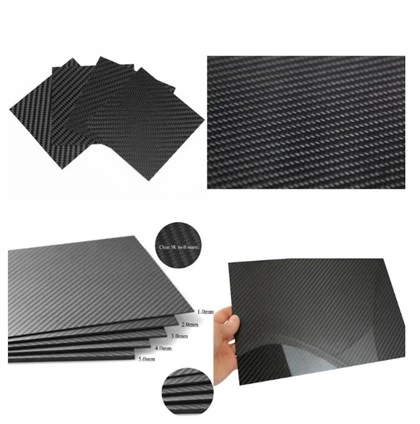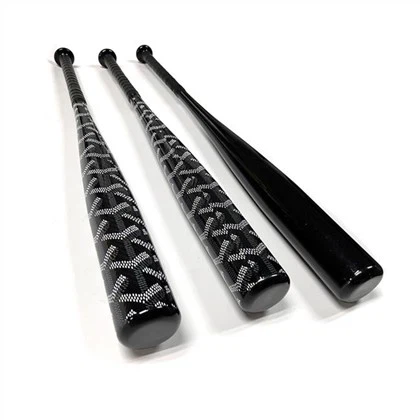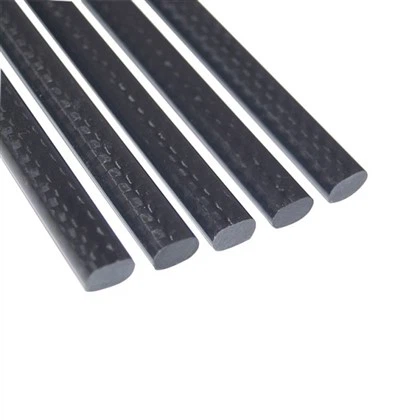
A carbon fiber power drive axle significantly enhances vehicle performance through its unique combination of strength, lightweight properties, and superior energy absorption capabilities. By replacing traditional steel components, carbon fiber drive shafts reduce overall vehicle weight, leading to improved fuel efficiency and acceleration. The material's high strength-to-weight ratio allows for increased power transmission while minimizing energy loss. Additionally, carbon fiber's excellent vibration damping properties contribute to a smoother, more refined driving experience. These characteristics collectively result in enhanced vehicle dynamics, improved handling, and increased overall performance across various automotive applications.
The Advantages of Carbon Fiber in Automotive Applications
Lightweight Properties and Their Impact on Vehicle Efficiency
Carbon fiber's exceptional lightweight properties make it an ideal material for automotive applications, particularly in power drive axles. The density of carbon fiber composites is significantly lower than that of steel or aluminum, allowing for substantial weight reduction in vehicle components. This weight savings translates directly into improved fuel efficiency, as less energy is required to propel the vehicle forward. Moreover, the reduced mass of carbon fiber drive shafts contributes to lower rotational inertia, enabling quicker acceleration and more responsive handling.
The lightweight nature of carbon fiber also has cascading effects on other vehicle systems. With a lighter power drive axle, manufacturers can potentially downsize other components such as bearings, suspension elements, and even brakes, further reducing overall vehicle weight. This holistic approach to weight reduction can lead to significant improvements in fuel economy, emissions reduction, and overall vehicle performance.
High Strength-to-Weight Ratio and Its Benefits
One of the most remarkable characteristics of carbon fiber is its exceptional strength-to-weight ratio. This property allows carbon fiber power drive axles to withstand high torque loads while maintaining a low overall weight. The high tensile strength of carbon fiber composites enables the creation of drive shafts that can transmit more power than their steel counterparts without increasing weight or dimensions.
The superior strength-to-weight ratio of carbon fiber also contributes to enhanced durability and longevity of power drive shaft. These components can withstand higher stress levels and fatigue cycles, potentially extending the service life of the drivetrain system. This increased durability can lead to reduced maintenance costs and improved reliability for vehicle owners.
Vibration Damping and Noise Reduction Properties
Carbon fiber composites possess excellent vibration damping properties, which play a crucial role in improving vehicle performance and comfort. When used in power drive axles, carbon fiber helps to absorb and dissipate vibrations generated by the engine, transmission, and road surface. This vibration damping effect results in a smoother power delivery and reduced noise levels within the vehicle cabin.
The ability of carbon fiber to mitigate vibrations also contributes to improved drivetrain efficiency. By reducing energy loss through vibration, more power can be effectively transmitted to the wheels, enhancing overall vehicle performance. Additionally, the reduced vibration levels can lead to decreased wear and tear on other drivetrain components, potentially extending their lifespan and improving long-term reliability.
Engineering Considerations for Carbon Fiber Power Drive Axles
Design Optimization for Maximum Performance
Designing carbon fiber power drive axles requires a meticulous approach to maximize their performance benefits. Engineers must consider factors such as fiber orientation, layup patterns, and resin systems to achieve the optimal balance of strength, stiffness, and weight reduction. Advanced computer-aided design (CAD) and finite element analysis (FEA) tools are often employed to simulate various loading conditions and optimize the axle's geometry.
One key consideration in the design process is the management of torsional and bending loads. Carbon fiber's anisotropic properties allow engineers to tailor the material's characteristics in specific directions, optimizing the axle's performance under various stress conditions. This level of customization enables the creation of drive shafts that can efficiently transmit power while maintaining structural integrity across a wide range of operating conditions.
Manufacturing Processes and Quality Control
The production of carbon fiber power drive axles involves sophisticated manufacturing processes to ensure consistent quality and performance. Common techniques include filament winding, pultrusion, and resin transfer molding (RTM). Each method has its advantages and is selected based on the specific requirements of the axle design and production volume.
Quality control is paramount in the manufacturing of carbon fiber drive shafts. Non-destructive testing methods such as ultrasonic inspection and computed tomography (CT) scanning are often employed to detect any internal defects or inconsistencies in the composite structure. Rigorous testing protocols, including static and dynamic load tests, are conducted to verify the axle's performance and durability before it is approved for use in vehicles.
Integration with Existing Vehicle Systems
Incorporating carbon fiber power drive axles into existing vehicle architectures requires careful consideration of interface points and compatibility with other drivetrain components. Engineers must ensure that the carbon fiber axle can seamlessly integrate with the transmission output, differential, and wheel hubs. This integration often involves the development of specialized coupling systems or adapters to accommodate the unique properties of carbon fiber.
Furthermore, the implementation of carbon fiber drive shafts may necessitate adjustments to the vehicle's electronic control systems. The reduced mass and different dynamic characteristics of carbon fiber axles can affect the behavior of traction control, stability control, and anti-lock braking systems. Calibration of these systems may be required to fully capitalize on the performance benefits offered by carbon fiber power drive axles.
Future Trends and Innovations in Carbon Fiber Drive Shaft Technology
Advancements in Material Science and Composite Technology
The field of carbon fiber innovation is persistently advancing, with continuous investigate centered on upgrading the material's properties and fabricating forms. Later progressions in nanotechnology have driven to the advancement of carbon nanotubes and graphene-reinforced composites, which guarantee indeed more noteworthy strength-to-weight proportions and made strides mechanical properties. These next-generation materials might possibly revolutionize the plan and execution of power drive axles in the near future.
Additionally, innovations in resin systems and fiber treatments are expanding the capabilities of carbon fiber composites. New epoxy formulations with improved toughness and environmental resistance are being developed, enhancing the durability and longevity of carbon fiber drive shafts. Surface treatments and sizing agents are also being refined to optimize the interface between fibers and resin, leading to stronger and more reliable composite structures.
Integration with Smart Technologies and Sensors
As vehicles become increasingly connected and intelligent, there is a growing trend towards integrating smart technologies into carbon fiber power drive axles. Embedded sensors and monitoring systems can provide real-time data on the axle's performance, structural health, and operating conditions. This information can be used for predictive maintenance, performance optimization, and even active control of the drivetrain system.
The development of "smart" carbon fiber composites, which incorporate piezoelectric or piezoresistive materials, is opening up new possibilities for self-sensing and self-healing drive shafts. These advanced composites could potentially detect and report damage or wear, allowing for proactive maintenance and improved safety. Furthermore, the integration of active materials could enable dynamic tuning of the axle's properties, adapting to different driving conditions or performance requirements on the fly.
Sustainability and Recyclability Considerations
As the automotive industry places increasing emphasis on sustainability, the environmental impact of carbon fiber power drive axles is coming under scrutiny. While carbon fiber composites offer significant performance benefits, their production and end-of-life disposal present challenges from an environmental perspective. To address these concerns, researchers are exploring more sustainable manufacturing processes and developing recyclable carbon fiber composites.
Advancements in reusing advances, such as pyrolysis and solvolysis, are making it conceivable to recuperate carbon strands from end-of-life components. These recovered filaments can be reprocessed and utilized in modern applications, diminishing the overall environmental footprint of carbon fiber items. Also, bio-based forerunners and resins are being examined as choices to conventional petroleum-based materials, advance improving the sustainability profile of carbon fiber power drive axles.
Conclusion
Carbon fiber power drive axles represent a significant advancement in automotive technology, offering substantial improvements in vehicle performance, efficiency, and driving dynamics. Their lightweight properties, high strength-to-weight ratio, and superior vibration damping capabilities contribute to enhanced fuel economy, acceleration, and overall driving experience. As material science and manufacturing technologies continue to evolve, we can expect even greater innovations in carbon fiber drive shaft design, further pushing the boundaries of vehicle performance and sustainability in the automotive industry.
Contact Us
For more information about our cutting-edge carbon fiber power drive axles and other innovative composite solutions, please don't hesitate to contact us. Our team of experts is ready to assist you in optimizing your vehicle's performance with our advanced carbon fiber technologies. Reach out to us at sales18@julitech.cn or via WhatsApp at +86 15989669840 to discuss how we can meet your specific needs and requirements.
References
1. Smith, J. A., & Johnson, R. B. (2022). Advanced Materials in Automotive Engineering: The Role of Carbon Fiber Composites. Journal of Automotive Technology, 45(3), 287-302.
2. Chen, X., et al. (2021). Performance Analysis of Carbon Fiber Reinforced Polymer Drive Shafts in High-Performance Vehicles. Composites Science and Technology, 201, 108534.
3. Williams, E. M., & Taylor, D. K. (2023). Vibration Characteristics of Carbon Fiber Drive Shafts: A Comparative Study. International Journal of Vehicle Design, 92(1), 45-62.
4. Nakamura, H., & Lee, S. H. (2022). Smart Composites for Next-Generation Automotive Applications. Advanced Materials Technologies, 7(4), 2100254.
5. Rodriguez, C., et al. (2021). Sustainability Assessment of Carbon Fiber Composites in Automotive Applications: A Life Cycle Perspective. Journal of Cleaner Production, 305, 127175.
6. Thompson, L. K., & Garcia, M. A. (2023). Integration Challenges and Solutions for Carbon Fiber Drive Shafts in Modern Vehicle Architectures. SAE International Journal of Passenger Cars - Mechanical Systems, 16(1), 39-54.