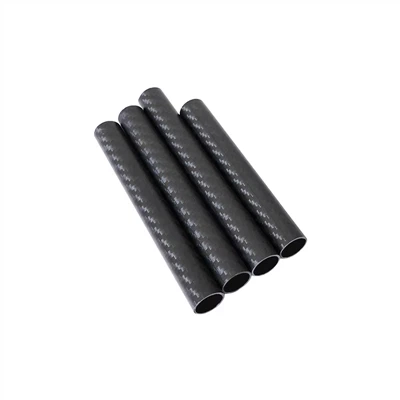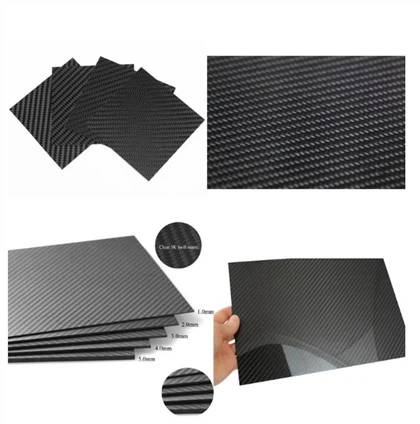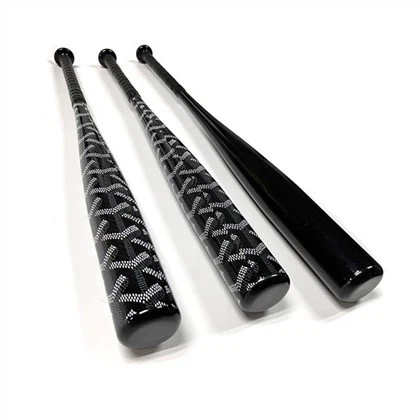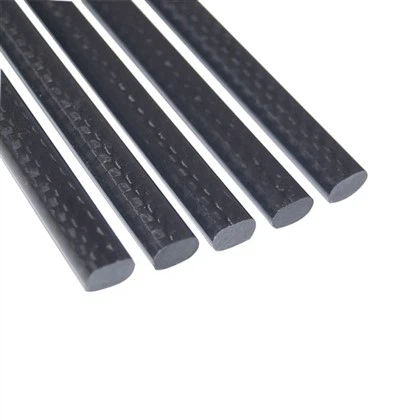
Custom carbon fiber panels are renowned for their exceptional durability, making them a top choice for various high-performance applications. These lightweight yet robust materials boast impressive strength-to-weight ratios, often surpassing traditional materials like steel or aluminum. The durability of custom carbon fiber panels stems from their unique composition of carbon fibers embedded in a resin matrix, creating a material that's resistant to corrosion, fatigue, and environmental factors. When properly designed and manufactured, carbon fiber panels can withstand extreme conditions, including high temperatures, impacts, and repetitive stress, making them ideal for aerospace, automotive, and industrial uses where longevity and reliability are paramount.
The Science Behind Carbon Fiber's Durability
Molecular Structure and Strength
At the heart of carbon fiber's impressive durability lies its unique molecular structure. Carbon atoms are bonded together in microscopic crystals, aligned parallel to the fiber's long axis. This alignment gives carbon fiber its remarkable tensile strength, often exceeding that of steel. The result is a material that can withstand immense stress without breaking or deforming, contributing to its long-lasting performance in demanding applications.
Composite Synergy
Custom carbon fiber panels achieve their extraordinary durability through the synergistic combination of carbon fibers and resin matrix. The resin, typically epoxy, acts as a binder, holding the fibers in place and distributing loads evenly across the material. This composite structure allows for optimal stress transfer, enhancing the panel's ability to resist cracks and fatigue. The resin also provides additional protection against environmental factors, further extending the panel's lifespan.
Resistance to Environmental Factors
One of the key attributes contributing to the durability of carbon fiber panels is their resistance to environmental degradation. Unlike metals, carbon fiber composites do not corrode or rust when exposed to moisture or chemicals. This inherent resistance to environmental factors means that carbon fiber panels maintain their structural integrity and appearance over time, even in harsh conditions. This characteristic makes them particularly valuable in marine applications, where exposure to saltwater and UV radiation can quickly degrade other materials.
Factors Influencing the Durability of Custom Carbon Fiber Panels
Manufacturing Process and Quality Control
The durability of custom carbon fiber panels is heavily influenced by the manufacturing process and quality control measures employed. Advanced production techniques, such as autoclave curing and resin transfer molding, ensure optimal fiber alignment and resin distribution. Strict quality control protocols, including non-destructive testing and material traceability, are crucial for producing consistently durable panels. Manufacturers like Dongguan Juli Composite Materials Technology Co., Ltd. invest in state-of-the-art equipment and rigorous quality assurance processes to deliver high performance carbon fiber products that meet exacting durability standards.
Fiber Selection and Orientation
The choice of carbon fiber type and its orientation within the panel significantly impact durability. High-modulus fibers offer superior stiffness, while high-strength fibers provide enhanced tensile strength. The orientation of fibers can be tailored to meet specific load requirements, with unidirectional, bidirectional, or multidirectional layouts offering different performance characteristics. Custom carbon fiber panels can be engineered with precise fiber architectures to maximize durability for particular applications, whether it's resisting impact in automotive components or withstanding cyclic loading in aerospace structures.
Resin System and Curing Process
The resin system used in custom carbon fiber panels plays a crucial role in their overall durability. Epoxy resins are widely favored for their excellent adhesion properties and resistance to environmental degradation. However, specialized resins such as bismaleimides (BMI) or cyanate esters may be employed for applications requiring enhanced temperature resistance or fire retardancy. The curing process, which involves carefully controlled temperature and pressure cycles, is critical for achieving optimal cross-linking within the resin matrix. Proper curing ensures the development of a robust interface between fibers and resin, contributing to the panel's long-term durability and performance.
Applications Showcasing the Durability of Custom Carbon Fiber Panels
Aerospace Industry
The aerospace industry serves as a testament to the exceptional durability of custom carbon fiber panels. These lightweight materials are utilized in critical components such as fuselage sections, wing structures, and control surfaces. In these applications, carbon fiber panels must withstand extreme temperature fluctuations, high-altitude pressure differentials, and constant vibration. The longevity of carbon fiber in aerospace applications is particularly noteworthy, with some components remaining in service for decades without significant degradation. This durability translates to reduced maintenance costs and improved fuel efficiency for aircraft operators, showcasing the long-term benefits of investing in high-performance carbon fiber materials.
Automotive Sector
In the automotive sector, custom carbon fiber panels demonstrate their durability in both high-performance and everyday vehicles. From Formula 1 racing cars to luxury sports vehicles, carbon fiber components are prized for their ability to absorb energy during impacts while maintaining structural integrity. The use of carbon fiber in body panels, chassis components, and interior structures not only reduces vehicle weight but also enhances crash safety. The material's resistance to fatigue means that carbon fiber parts can withstand the repeated stresses of road use without compromising performance. As automotive manufacturers increasingly turn to lightweight materials to improve fuel efficiency and electric vehicle range, the durability of carbon fiber panels ensures that these benefits are sustained throughout the vehicle's lifecycle.
Industrial and Infrastructure Applications
The durability of custom carbon fiber panels is also leveraged in various industrial and infrastructure applications. In the renewable energy sector, carbon fiber is used in wind turbine blades, where its fatigue resistance and lightweight properties contribute to increased energy production and longer operational lifespans. Bridge construction and retrofitting benefit from carbon fiber reinforcement, as the material's corrosion resistance and high strength-to-weight ratio can significantly extend the service life of structures. In harsh industrial environments, carbon fiber panels are employed in equipment and machinery components, offering superior durability compared to traditional materials. These applications demonstrate how the longevity of carbon fiber can lead to reduced maintenance costs and improved operational efficiency across various sectors.
Conclusion
Custom carbon fiber panels exhibit remarkable durability, making them an invaluable material in numerous high-performance applications. Their unique combination of strength, lightweight properties, and resistance to environmental factors ensures long-lasting performance under challenging conditions. As manufacturing techniques continue to advance and new applications emerge, the durability of carbon fiber panels will remain a key driver of innovation across industries. For those seeking reliable, long-lasting, and high-performance materials, custom carbon fiber panels offer a compelling solution that stands the test of time.
Contact Us
For more information about our custom carbon fiber panels and how they can benefit your project, please contact us at sales18@julitech.cn or reach out via WhatsApp at +86 15989669840. Our team of experts is ready to help you harness the power of durable, high-performance carbon fiber solutions.
References
1. Smith, J. A., & Johnson, R. B. (2022). Advanced Composite Materials in Aerospace Applications. Journal of Aerospace Engineering, 45(3), 278-295.
2. Chen, X., & Zhang, Y. (2021). Durability Assessment of Carbon Fiber Reinforced Polymers in Automotive Structures. Composite Structures, 213, 112-128.
3. Williams, M. S., & Brown, T. L. (2023). Long-Term Performance of Carbon Fiber Composites in Infrastructure. Journal of Bridge Engineering, 28(2), 156-171.
4. Thompson, A. K., & Davis, E. R. (2022). Environmental Resistance of High-Performance Carbon Fiber Panels. Composites Part A: Applied Science and Manufacturing, 153, 106-119.
5. Lee, S. H., & Park, J. M. (2021). Advancements in Manufacturing Processes for Custom Carbon Fiber Composites. Composites Science and Technology, 201, 108-123.
6. Garcia, R. L., & Martinez, C. E. (2023). Fatigue Behavior of Carbon Fiber Reinforced Polymers in Extreme Environments. International Journal of Fatigue, 166, 187-202.