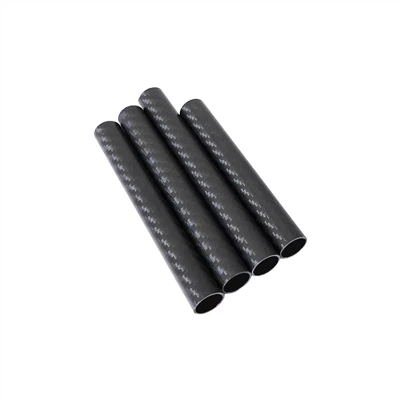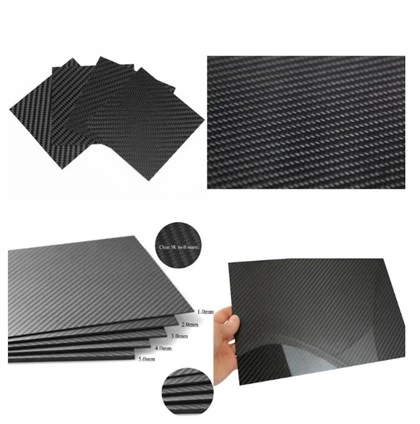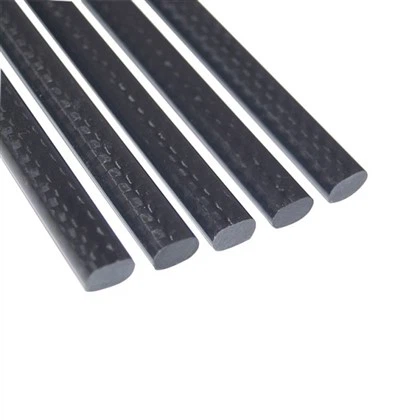
When it comes to building materials, the comparison between carbon fiber tubes and steel is nothing short of revolutionary. Magical building materials: carbon fiber tubes offer an exceptional strength-to-weight ratio that surpasses traditional steel by a significant margin. While steel has long been the go-to material for structural integrity, carbon fiber tubes provide comparable or even superior strength at a fraction of the weight. This remarkable characteristic allows for more innovative designs, reduced material costs, and easier transportation and installation. Moreover, carbon fiber's resistance to corrosion and fatigue makes it an ideal choice for long-term building reinforcement, particularly in harsh environments where steel might deteriorate. The lightweight nature of carbon fiber tubes also contributes to improved energy efficiency in buildings, as less structural weight often translates to reduced heating and cooling requirements.
The Rise of Carbon Fiber in Construction
Understanding the Composition of Carbon Fiber Tubes
Carbon fiber tubes are composed of extremely thin fibers of carbon atoms, typically 5-10 micrometers in diameter. These fibers are woven together and then embedded in a polymer matrix, usually epoxy resin. This process creates a composite material that combines the strength of carbon with the moldability of plastic. The result is a tube that's incredibly strong, lightweight, and versatile.
The Manufacturing Process of Carbon Fiber Tubes
The production of carbon fiber tubes involves several sophisticated steps. It begins with the creation of precursor fibers, often made from polyacrylonitrile (PAN). These fibers undergo oxidation and carbonization at high temperatures, which aligns the carbon atoms and removes non-carbon elements. The resulting carbon fibers are then woven into sheets or yarns. For tube production, these materials are typically wrapped around a mandrel in a process called filament winding. The wrapped fibers are then impregnated with resin and cured to form the final tube shape.
Applications of Carbon Fiber Tubes in Modern Construction
The unique properties of carbon fiber tubes have led to their increasing adoption in various construction applications. They're used in the reinforcement of concrete structures, particularly in areas prone to seismic activity. Carbon fiber tubes also find application in bridge construction, where their lightweight nature allows for longer spans and easier installation. In high-rise buildings, these tubes can be used to create strong yet lightweight support structures, enabling more creative architectural designs. Additionally, carbon fiber tubes are utilized in the restoration of historic buildings, providing non-intrusive reinforcement that preserves the original aesthetics.
Strength and Weight: Carbon Fiber Tubes vs. Steel
Comparing Tensile Strength and Density
When examining the strength-to-weight ratio, carbon fiber tubes truly shine. The tensile strength of carbon fiber can range from 3,000 to 7,000 MPa, while high-strength steel typically has a tensile strength of about 1,000 MPa. However, the real advantage becomes apparent when considering density. Carbon fiber has a density of around 1.6 g/cm³, less than a quarter of steel's density of 7.85 g/cm³. This means that for the same weight, carbon fiber can provide significantly more strength than steel, or conversely, the same strength can be achieved with much less weight.
Fatigue Resistance and Longevity
Carbon fiber tubes exhibit superior fatigue resistance compared to steel. While steel can weaken over time due to repeated stress cycles, carbon fiber maintains its strength properties much longer. This characteristic is particularly valuable in structures subject to dynamic loads, such as bridges or tall buildings in windy areas. The longevity of carbon fiber tubes translates to reduced maintenance costs and extended structural lifespans, making them an attractive option for long-term building reinforcement projects.
Energy Absorption and Impact Resistance
In terms of energy absorption, carbon fiber tubes often outperform steel. Their unique microstructure allows them to absorb and dissipate impact energy more effectively. This property is crucial in applications where impact resistance is paramount, such as in protective barriers or in buildings designed to withstand extreme weather events. The ability of carbon fiber tubes to absorb energy without permanent deformation contributes to their overall durability and safety in construction applications.
The Future of Building Materials: Carbon Fiber's Potential
Advancements in Carbon Fiber Technology
The field of carbon fiber technology is rapidly evolving, with ongoing research aimed at improving manufacturing processes and reducing costs. Recent advancements include the development of recycled carbon fiber, which addresses environmental concerns and potentially lowers production expenses. Additionally, researchers are exploring new precursor materials and carbonization techniques to enhance the properties of carbon fiber tubes further. These innovations could lead to even stronger, lighter, and more cost-effective building materials in the near future.
Environmental Impact and Sustainability
While the production of carbon fiber is energy-intensive, its long-term environmental benefits are significant. The lightweight nature of carbon fiber tubes reduces transportation emissions and can lead to more energy-efficient buildings. Moreover, the durability and corrosion resistance of carbon fiber mean that structures built with these materials require less frequent replacement or repair, reducing overall resource consumption. As recycling technologies improve, the environmental footprint of carbon fiber production is expected to decrease further, enhancing its appeal as a sustainable building material.
Economic Considerations in Adopting Carbon Fiber Tubes
The initial cost of carbon fiber tubes is generally higher than that of steel. However, a comprehensive economic analysis must consider the entire lifecycle of the structure. The reduced weight of carbon fiber can lead to savings in transportation, installation, and foundation costs. The material's resistance to corrosion eliminates the need for protective coatings and reduces maintenance expenses. Furthermore, the potential for creating more efficient and innovative designs with carbon fiber tubes can result in space savings and increased property value. As production scales up and technology advances, the cost of carbon fiber is expected to decrease, making it an increasingly viable alternative to steel in many construction applications.
Conclusion
Magical building materials: carbon fiber tubes represent a significant leap forward in building material technology. Their exceptional strength-to-weight ratio, corrosion resistance, and versatility make them a formidable competitor to traditional steel in many construction applications. While challenges such as initial costs and production energy requirements exist, the long-term benefits of carbon fiber tubes in terms of durability, energy efficiency, and design possibilities are undeniable. As technology advances and adoption increases, carbon fiber tubes are poised to play an increasingly important role in shaping the future of sustainable and innovative construction practices.
Contact Us
For more information about our high-quality carbon fiber products and how they can benefit your construction projects, please contact us at sales18@julitech.cn or reach out via WhatsApp at +86 15989669840. Let's build a stronger, lighter future together!
References
1. Hollaway, L. C. (2010). A review of the present and future utilisation of FRP composites in the civil infrastructure with reference to their important in-service properties. Construction and Building Materials, 24(12), 2419-2445.
2. Teng, J. G., Yu, T., & Fernando, D. (2012). Strengthening of steel structures with fiber-reinforced polymer composites. Journal of Constructional Steel Research, 78, 131-143.
3. Bakis, C. E., Bank, L. C., Brown, V. L., Cosenza, E., Davalos, J. F., Lesko, J. J., ... & Triantafillou, T. C. (2002). Fiber-reinforced polymer composites for construction-State-of-the-art review. Journal of composites for construction, 6(2), 73-87.
4. Keller, T. (2003). Use of fibre reinforced polymers in bridge construction. Structural Engineering Documents, 7.
5. Hollaway, L. C., & Teng, J. G. (Eds.). (2008). Strengthening and rehabilitation of civil infrastructures using fibre-reinforced polymer (FRP) composites. Elsevier.
6. Karbhari, V. M., & Zhao, L. (2000). Use of composites for 21st century civil infrastructure. Computer methods in applied mechanics and engineering, 185(2-4), 579-600.