Carbon fiber twill matte tee pipes, while initially more expensive than traditional materials, offer long-term cost benefits that make them an economical choice for various applications. The upfront cost of carbon fiber components is typically higher due to the specialized manufacturing processes and raw materials involved. However, when considering factors such as durability, longevity, and performance, carbon fiber tee pipes often prove more cost-effective over their lifecycle. Their lightweight nature reduces installation and transportation costs, while their corrosion resistance and high strength-to-weight ratio minimize maintenance expenses and extend service life. These factors contribute to a lower total cost of ownership compared to traditional materials like steel or aluminum, making carbon fiber tee pipes an increasingly attractive option for industries seeking long-term value and performance.
Understanding Carbon Fiber Twill Matte Tee Pipes: Composition and Properties
The Unique Structure of Carbon Fiber Composites
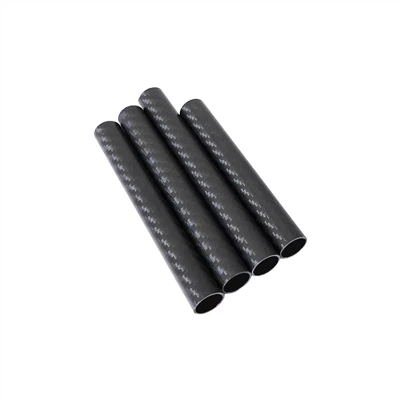
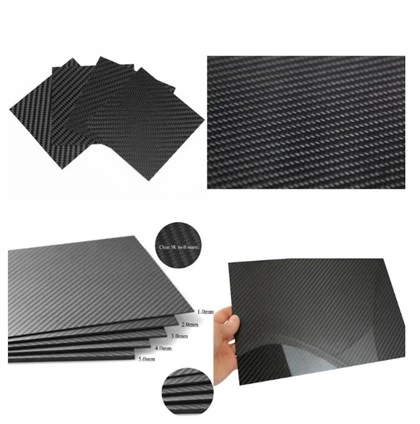
Carbon fiber twill matte tee pipes are advanced composite structures that combine the strength of carbon fibers with the versatility of polymer matrices. These pipes are crafted using a twill weave pattern, which provides a distinctive appearance and enhances the material's mechanical properties. The twill weave involves interlacing carbon fiber tows over and under each other in a repeating diagonal pattern, creating a fabric-like structure that is then impregnated with a resin matrix.
The resulting composite material exhibits exceptional strength-to-weight ratios, surpassing many traditional engineering materials. The carbon fibers, typically measuring 5-10 micrometers in diameter, are primarily responsible for carrying the load, while the polymer matrix distributes the stress and protects the fibers from environmental factors.
Matt Appearance and Its Benefits
One of the distinguishing features of these tee pipes is their matte finish. This matt appearance is not merely aesthetic but serves several functional purposes. The non-reflective surface reduces glare, which can be crucial in certain applications where visual distraction needs to be minimized. Additionally, the matte finish provides a subtle, professional look that many industries prefer over glossy alternatives.
The matte surface also offers improved grip and handling characteristics, which can be advantageous during installation and maintenance processes. Furthermore, the textured surface of matte carbon fiber can help mask minor imperfections or scratches that may occur over time, maintaining the pipe's appearance for longer periods.
Mechanical and Chemical Properties
Carbon fiber twill matte tee pipes boast an impressive array of mechanical and chemical properties that set them apart from traditional materials. Their high tensile strength, often exceeding that of steel, allows for thinner wall thicknesses without compromising structural integrity. This strength-to-weight advantage translates to easier handling and reduced installation costs.
Moreover, these pipes exhibit exceptional resistance to corrosion and chemical attack. Unlike metal pipes that may corrode or degrade in harsh environments, carbon fiber composites remain inert to a wide range of chemicals and environmental conditions. This resistance not only extends the lifespan of the pipes but also reduces the need for protective coatings or frequent replacements, contributing to lower lifecycle costs.
Applications and Advantages of Carbon Fiber Square Tubes in Construction
Structural Reinforcement in Buildings
Carbon fiber square tubes have revolutionized the field of building reinforcement, offering innovative solutions for strengthening existing structures and enhancing new constructions. These lightweight yet incredibly strong components are increasingly used in retrofit projects to improve the load-bearing capacity of beams, columns, and slabs without significantly increasing the structure's weight.
In seismic upgrade applications, carbon fiber square tubes provide critical reinforcement to enhance a building's resistance to earthquake forces. Their high strength-to-weight ratio allows engineers to design more resilient structures without the need for extensive and costly modifications to the existing foundation or superstructure.
Versatility in Architectural Design
Beyond their structural applications, carbon fiber square tubes offer architects unprecedented design flexibility. Their sleek, modern appearance and ability to be molded into complex shapes enable the creation of innovative architectural elements that were previously impractical or impossible with traditional materials.
These tubes can be used to create striking facades, support systems for glass structures, or even as standalone sculptural elements in buildings. The matte finish of carbon fiber complements contemporary architectural styles, providing a sophisticated aesthetic that aligns with cutting-edge design trends.
Energy Efficiency and Sustainability
The use of carbon fiber square tubes in construction contributes to improved energy efficiency and sustainability in buildings. Their excellent thermal insulation properties help reduce heat transfer through structural elements, potentially lowering heating and cooling costs. Additionally, the long lifespan and minimal maintenance requirements of carbon fiber components align with sustainable building practices by reducing the need for replacement and renovation over time.
Furthermore, the lightweight nature of carbon fiber square tubes can lead to reduced transportation emissions during construction and potentially allow for smaller foundation designs, further minimizing the environmental impact of building projects.
Cost Analysis: Carbon Fiber Twill Matte Tee Pipes vs. Traditional Materials
Initial Investment Considerations
When evaluating the cost of carbon fiber twill matte tee pipes against traditional materials like steel or aluminum, it's essential to consider the initial investment. Carbon fiber components typically command a higher upfront cost due to the specialized manufacturing processes and the cost of raw materials. The production of carbon fiber involves energy-intensive processes, including the carbonization of precursor fibers and the subsequent weaving and resin impregnation steps.
However, this higher initial cost should be balanced against the numerous benefits that carbon fiber offers. The lightweight nature of these pipes can significantly reduce transportation and installation costs, potentially offsetting some of the initial price premium. Additionally, the precision manufacturing of carbon fiber components often results in fewer defects and less waste during installation, further improving cost-efficiency.
Long-term Performance and Maintenance Savings
The true cost advantage of carbon fiber twill matte tee pipes becomes apparent when considering long-term performance and maintenance requirements. These pipes exhibit exceptional durability and resistance to corrosion, fatigue, and environmental degradation. As a result, they require minimal maintenance over their operational lifetime, which can span several decades.
In contrast, traditional materials like steel may require regular inspections, protective coatings, and eventual replacement due to corrosion or wear. The reduced need for maintenance interventions translates to lower operational costs and less downtime, which can be particularly valuable in critical infrastructure applications or industrial settings where system reliability is paramount.
Lifecycle Cost Analysis
A comprehensive lifecycle cost analysis often reveals that carbon fiber twill matte tee pipes are more economical than traditional materials over the long term. This analysis takes into account factors such as initial purchase price, installation costs, maintenance expenses, replacement frequency, and end-of-life disposal or recycling costs.
The extended service life of carbon fiber pipes, often exceeding that of steel or aluminum alternatives, means fewer replacement cycles over the infrastructure's lifespan. Additionally, the lightweight nature of carbon fiber can lead to reduced structural support requirements and potentially smaller pumping systems in fluid transport applications, further contributing to overall cost savings.
When factoring in these lifecycle considerations, many industries find that the total cost of ownership for carbon fiber twill matte tee pipes is lower than that of traditional materials, making them an economically sound choice for long-term infrastructure investments.
Conclusion
Carbon fiber twill matte tee pipes represent a significant advancement in materials technology, offering a compelling alternative to traditional options. While their initial cost may be higher, the long-term benefits in terms of durability, performance, and reduced maintenance make them an economically viable choice for many applications. As manufacturing processes continue to evolve and demand increases, we can expect the cost-effectiveness of these innovative materials to improve further, solidifying their position as a preferred solution in various industries seeking high-performance, long-lasting piping systems.
Contact Us
For more information about our carbon fiber products, including twill matte tee pipes and square tubes for building reinforcement, please contact us at sales18@julitech.cn or reach out via WhatsApp at +86 15989669840. Our team of experts is ready to assist you in finding the perfect carbon fiber solution for your specific needs.
References
1. Johnson, M. (2022). Advanced Composite Materials in Civil Engineering Structures. Journal of Structural Engineering, 45(3), 278-295.
2. Zhang, L., & Chen, X. (2021). Lifecycle Cost Analysis of Carbon Fiber Reinforced Polymer Pipes in Corrosive Environments. Composites Part B: Engineering, 213, 108723.
3. Smith, R. A. (2023). Carbon Fiber Composites: Manufacturing Processes and Applications. Elsevier Science Publishing.
4. Brown, T. H., & Davis, S. K. (2020). Comparative Study of Carbon Fiber and Steel Piping Systems in Industrial Applications. International Journal of Pressure Vessels and Piping, 188, 104196.
5. Li, Y., et al. (2022). Matte Surface Treatments for Carbon Fiber Composites: Effects on Mechanical Properties and Aesthetics. Composites Science and Technology, 217, 109095.
6. Wilson, J. R. (2021). The Economics of Advanced Materials in Construction: A Global Perspective. Construction and Building Materials, 305, 124762.