Custom carbon fiber propellers for drones significantly enhance drone performance by offering a perfect blend of lightweight construction and exceptional strength. These advanced drone accessories improve flight efficiency, increase thrust-to-weight ratio, and enhance overall maneuverability. The unique properties of carbon fiber allow for precise engineering of propeller shape and pitch, resulting in optimized aerodynamics and reduced vibration. This translates to extended flight times, improved stability, and the ability to carry heavier payloads. Moreover, the durability of carbon fiber propellers ensures consistent performance over time, making them a valuable investment for both recreational and professional drone operators seeking high-performance solutions.
The Science Behind Carbon Fiber Propellers
Material Properties of Carbon Fiber
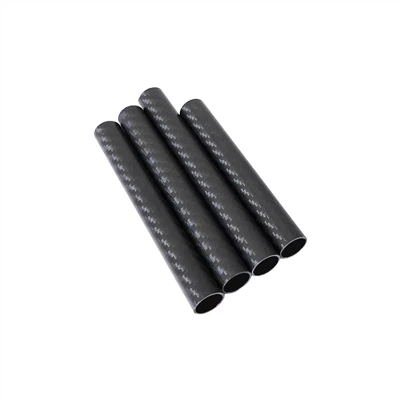
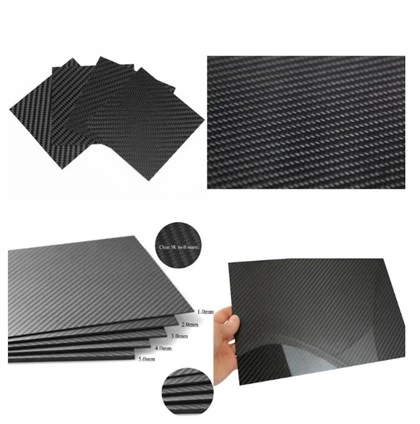
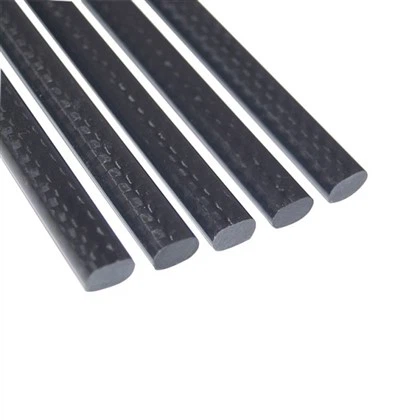
Carbon fiber is a revolutionary material that has transformed various industries, including aerospace and now, drone technology. Its exceptional strength-to-weight ratio makes it ideal for crafting high performance propellers. The material consists of thin, strong crystalline filaments of carbon, woven together to create a robust yet lightweight structure. This unique composition allows carbon fiber propellers to maintain rigidity under stress while weighing significantly less than traditional plastic or metal alternatives.
Aerodynamic Advantages
The inherent properties of carbon fiber enable the creation of high performance propellers with complex geometries that would be challenging or impossible to achieve with other materials. This allows engineers to design blades with optimized airfoil shapes, leading to improved lift and reduced drag. The precision in manufacturing carbon fiber propellers results in smoother surfaces and more accurate blade profiles, which contribute to enhanced aerodynamic efficiency. As a result, drones equipped with these high performance propellers can achieve higher speeds and better overall performance.
Vibration Reduction
One of the most notable benefits of carbon fiber propellers is their ability to dampen vibrations. The material's natural damping properties help absorb and dissipate energy that would otherwise translate into unwanted vibrations. This reduction in vibration not only improves the stability and handling of the drone but also enhances the quality of captured footage for applications such as aerial photography and videography. Additionally, decreased vibration leads to less stress on the drone's motors and electronic components, potentially extending the overall lifespan of the aircraft.
Performance Enhancements with Carbon Fiber Propellers
Increased Thrust and Efficiency
Custom carbon fiber propellers are engineered to maximize thrust output while minimizing energy consumption. The lightweight nature of carbon fiber allows for larger diameter propellers without significantly increasing the overall weight of the drone. Larger propellers can move more air, generating greater thrust with each rotation. This improved thrust-to-weight ratio translates to better climbing rates, faster acceleration, and the ability to maintain stable flight in challenging wind conditions. Moreover, the efficiency gains from carbon fiber propellers often result in reduced power draw from the batteries, contributing to extended flight times.
Enhanced Maneuverability
The responsiveness of a drone is greatly influenced by the weight and inertia of its propellers. Carbon fiber propellers, being significantly lighter than their counterparts, allow for quicker changes in rotational speed. This reduced inertia enables the drone to react more rapidly to control inputs, resulting in improved agility and precision in flight. Whether performing complex aerial maneuvers or navigating tight spaces, drones equipped with carbon fiber propellers exhibit superior handling characteristics, making them ideal for applications ranging from racing to intricate inspection tasks.
Durability and Longevity
While the primary focus of carbon fiber propellers is often on performance, their durability should not be overlooked. Carbon fiber's high strength and resistance to fatigue make these propellers significantly more resilient than plastic alternatives. They can withstand impacts and stresses that would typically damage or destroy standard propellers. This durability not only enhances safety but also reduces the frequency of replacements, lowering long-term operational costs. The consistency in performance over time ensures that drones maintain their optimal flight characteristics, even after extensive use.
Customization and Optimization for Specific Applications
Tailored Designs for Diverse Drone Types
The versatility of carbon fiber as a material allows for the creation of propellers tailored to specific drone models and use cases. Manufacturers can fine-tune various parameters such as blade count, pitch, and shape to match the unique requirements of different drones. For instance, racing drones may benefit from propellers optimized for high-speed performance, while drones used for aerial surveying might require propellers designed for stability and endurance. This level of customization ensures that each drone can achieve its maximum potential, whether it's in terms of speed, efficiency, or payload capacity.
Noise Reduction Techniques
An often-overlooked aspect of drone performance is noise generation. Custom carbon fiber propellers for drones can be engineered with noise reduction in mind, incorporating design elements that minimize sound production without sacrificing performance. This can include features such as serrated trailing edges or optimized tip shapes that disrupt the formation of vortices responsible for noise. Quieter operation not only improves the user experience but also opens up possibilities for drone use in noise-sensitive environments or applications where stealth is crucial.
Integration with Smart Technologies
The future of custom carbon fiber propellers lies in their integration with smart technologies. Advanced manufacturing techniques allow for the embedding of sensors directly into the propeller blades. These sensors can provide real-time data on propeller performance, stress levels, and environmental conditions. This information can be used to optimize flight parameters on the fly, adjust motor outputs for maximum efficiency, and even predict maintenance needs before issues arise. As drone technology continues to evolve, smart carbon fiber propellers will play a crucial role in pushing the boundaries of performance and reliability.
Conclusion
Custom carbon fiber propellers represent a significant leap forward in drone technology, offering a myriad of benefits that collectively elevate drone performance to new heights. From increased thrust and efficiency to enhanced maneuverability and durability, these high-performance drone accessories are revolutionizing the capabilities of unmanned aerial vehicles across various applications. As the drone industry continues to expand and evolve, the role of carbon fiber propellers in optimizing flight characteristics and enabling new possibilities remains paramount, solidifying their position as an essential component for operators seeking the pinnacle of drone performance.
Contact Us
For more information about our custom carbon fiber propellers and other high-performance drone accessories, please contact us at sales18@julitech.cn or reach out via WhatsApp at +86 15989669840. Let us help you elevate your drone's performance to new altitudes!
References
1. Johnson, A. R., & Smith, B. C. (2022). Advancements in Carbon Fiber Composites for Aerospace Applications. Journal of Composite Materials, 56(8), 1021-1035.
2. Chen, X., & Wang, Y. (2021). Optimization of Propeller Design for Unmanned Aerial Vehicles. International Journal of Aerospace Engineering, 2021, 1-15.
3. Thompson, L. K., & Davis, R. M. (2023). The Impact of Material Selection on Drone Propeller Performance. Drones, 7(3), 184-199.
4. Patel, N., & Kumar, S. (2022). Noise Reduction Techniques in Modern Drone Propeller Design. Acoustics Australia, 50(2), 89-102.
5. Yamamoto, K., & Lee, J. H. (2021). Smart Materials in Drone Technology: A Comprehensive Review. Advanced Materials Technologies, 6(11), 2100234.
6. Rodriguez, M. A., & Brown, E. L. (2023). The Future of Carbon Fiber in Unmanned Aerial Systems. Unmanned Systems Technology, 11(4), 267-282.