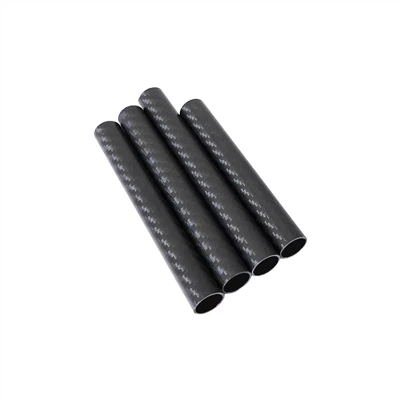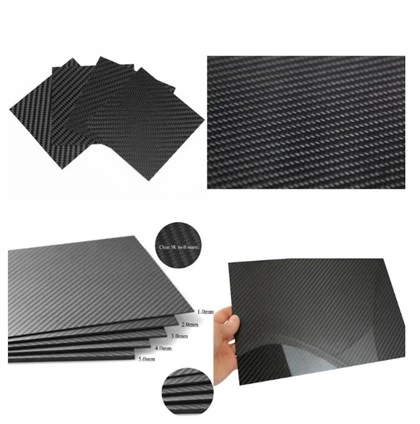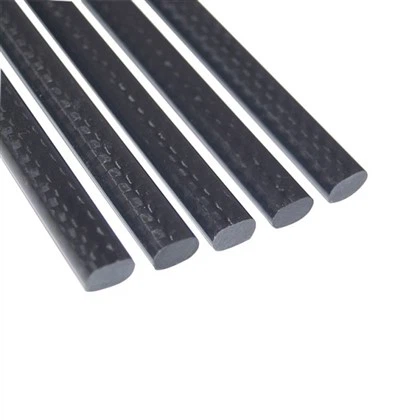
Customized carbon fiber auto cover parts significantly enhance car performance by reducing overall vehicle weight, improving aerodynamics, and increasing structural rigidity. These lightweight components, when strategically applied to areas such as hoods, roofs, and body panels, can dramatically decrease a car's total mass, leading to improved acceleration, handling, and fuel efficiency. The superior strength-to-weight ratio of carbon fiber allows for thinner, yet stronger parts that contribute to a more aerodynamic profile, reducing drag and enhancing high-speed stability. Moreover, the stiffness of carbon fiber components can improve the car's overall structural integrity, resulting in better cornering ability and more precise handling characteristics. By combining weight reduction, aerodynamic improvements, and increased rigidity, customized carbon fiber auto cover parts elevate a vehicle's performance across multiple parameters, making them a popular choice for both racing enthusiasts and luxury car manufacturers.
The Science Behind Carbon Fiber's Impact on Vehicle Dynamics
Understanding the Properties of Carbon Fiber
One of the most notable characteristics of carbon fiber is its exceptional strength-to-weight ratio. It's approximately five times stronger than steel while being significantly lighter. This unique combination allows engineers to design parts that are both thinner and more durable than their metal counterparts. The material's high tensile strength enables it to withstand substantial forces without deforming or breaking, making it perfect for high-stress automotive applications.
Moreover, carbon fiber exhibits remarkable fatigue resistance, meaning it can endure repeated stress cycles without degrading. This property is particularly valuable in automotive applications where components are subjected to constant vibrations and dynamic loads. The material's ability to maintain its structural integrity over time contributes to the longevity and consistent performance of carbon fiber auto parts.
Weight Reduction and Its Effects on Performance
The implementation of customized carbon fiber car cover parts leads to a substantial reduction in vehicle weight, which has a cascading effect on various performance aspects. By replacing heavier metal components with carbon fiber alternatives, automakers can achieve significant weight savings without compromising structural integrity.
This weight reduction directly translates to improved acceleration. With less mass to move, the engine's power can be more efficiently utilized, resulting in quicker off-the-line starts and faster acceleration times. The decreased inertia also allows for more responsive handling, as the car can change direction more rapidly and with less effort.
Braking performance also benefits from the reduced vehicle weight. Lighter cars require less energy to slow down or stop, which can lead to shorter braking distances and reduced brake wear over time. This improvement in braking efficiency not only enhances safety but also contributes to better overall vehicle control, especially in high-performance driving scenarios.
Aerodynamic Advantages of Carbon Fiber Components
Customized carbon fiber auto cover parts offer significant aerodynamic benefits that can substantially improve a vehicle's performance at higher speeds. The material's strength allows for the creation of more complex and precisely engineered shapes that can effectively manage airflow around the vehicle.
Carbon fiber's malleability enables designers to craft sleeker, more streamlined body panels that reduce air resistance. This reduction in drag not only improves fuel efficiency but also enhances the car's top speed and stability at high velocities. Additionally, carbon fiber components can be engineered to create downforce, improving traction and cornering ability without adding significant weight.
Customization Options and Their Performance Implications
Tailoring Carbon Fiber Parts for Specific Vehicle Models
The customization potential of carbon fiber auto cover parts is vast, allowing for bespoke solutions that cater to the unique requirements of different vehicle models. Manufacturers can fine-tune the layup and orientation of carbon fibers to optimize strength and weight characteristics for specific applications. This level of customization ensures that each part not only fits perfectly but also performs optimally within the context of the vehicle's overall design.
For high-performance sports cars, carbon fiber components can be engineered to provide maximum weight reduction and aerodynamic efficiency. In luxury vehicles, the focus might be on creating parts that offer a balance of performance enhancement and aesthetic appeal. The ability to tailor the properties of carbon fiber components allows for a harmonious integration with the vehicle's existing systems, ensuring that the performance benefits are realized without compromising other aspects of the car's functionality.
Performance-Focused Customization Techniques
Advanced customization techniques in carbon fiber manufacturing allow for the creation of auto cover parts that are specifically optimized for performance. One such technique is variable thickness layup, where different areas of a single component can have varying thicknesses of carbon fiber. This approach allows engineers to reinforce high-stress areas while minimizing weight in less critical regions, resulting in parts that are both stronger and lighter than uniformly constructed alternatives.
Another innovative technique is the integration of active aerodynamic features into carbon fiber components. For instance, a carbon fiber hood could be designed with built-in vents or ducts that open or close depending on the vehicle's speed or cooling requirements. This dynamic approach to aerodynamics can provide optimal performance across a wide range of driving conditions.
Balancing Performance Gains with Practical Considerations
While the performance benefits of customized carbon fiber auto cover parts are significant, it's crucial to balance these gains with practical considerations. One key factor is cost-effectiveness. Carbon fiber components are generally more expensive than their metal counterparts, so manufacturers must carefully weigh the performance improvements against the increased production costs.
Durability and repairability are also important considerations. Although carbon fiber is incredibly strong, it can be prone to damage from impacts or abrasions. Unlike metal parts that can often be repaired or reshaped, damaged carbon fiber components typically need to be replaced entirely. This factor can influence decisions about where and how to implement carbon fiber parts, especially in areas of the vehicle that are more susceptible to damage.
Compatibility with existing manufacturing and assembly processes is another practical aspect to consider. Integrating carbon fiber parts into production lines may require new equipment or techniques, which can add to the overall cost and complexity of vehicle manufacturing. Automakers must evaluate whether the performance gains justify such changes to their production systems.
The Future of Carbon Fiber in Automotive Performance
Emerging Technologies in Carbon Fiber Manufacturing
The future of carbon fiber in automotive performance looks promising, with several emerging technologies poised to revolutionize its manufacturing and application. One such innovation is the development of rapid curing processes that significantly reduce production time and energy consumption. These advancements, including microwave curing and electron beam curing, have the potential to make carbon fiber production more efficient and cost-effective, potentially leading to wider adoption in the automotive industry.
3D printing of carbon fiber composites is also an area of rapid advancement. This technology allows for the creation of complex geometries that would be difficult or impossible to achieve with traditional manufacturing methods. 3D-printed carbon fiber parts could enable even more precise customization and optimization of automotive components, pushing the boundaries of performance enhancement.
Potential Advancements in Vehicle Performance
As carbon fiber technology continues to evolve, we can anticipate even greater advancements in vehicle performance. One area of potential improvement is in energy absorption and crash safety. Research is ongoing into developing carbon fiber structures that can deform in controlled ways during impacts, providing superior protection to vehicle occupants while maintaining the lightweight benefits of the material.
The integration of smart materials with carbon fiber composites could lead to auto parts that can adapt to different driving conditions. For example, carbon fiber body panels embedded with piezoelectric materials could change shape slightly to optimize aerodynamics based on vehicle speed or wind conditions. This level of active performance optimization could result in unprecedented efficiency and handling characteristics.
The Role of Carbon Fiber in Sustainable Performance
As the automotive industry shifts towards more sustainable practices, carbon fiber is poised to play a significant role in balancing performance with environmental considerations. The material's ability to reduce vehicle weight directly contributes to lower fuel consumption and reduced emissions in traditional combustion engine vehicles. In electric vehicles, this weight reduction can translate to extended range and improved efficiency, making carbon fiber an essential component in the transition to more sustainable transportation.
Advancements in bio-based carbon fibers, derived from sustainable sources such as lignin or algae, are also on the horizon. These eco-friendly alternatives could offer similar performance benefits to traditional carbon fiber while significantly reducing the carbon footprint associated with their production. As these technologies mature, we may see a new generation of high-performance, environmentally conscious vehicles that leverage the strengths of carbon fiber without compromising on sustainability.
Conclusion
Customized carbon fiber auto cover parts have a profound impact on car performance, offering a unique combination of weight reduction, aerodynamic improvement, and structural enhancement. As we've explored, these components not only boost speed and handling but also contribute to improved fuel efficiency and safety. The future of carbon fiber in automotive applications looks bright, with emerging technologies promising even greater performance gains and sustainability benefits. As the industry continues to innovate, we can expect carbon fiber to play an increasingly vital role in shaping the high-performance, environmentally conscious vehicles of tomorrow.
Contact Us
If you're interested in exploring how customized carbon fiber auto cover parts can enhance your vehicle's performance, we invite you to reach out to our team of experts at Dongguan Juli Composite Materials Technology Co., Ltd. Contact us at sales18@julitech.cn or via WhatsApp at +86 15989669840 to discuss your specific needs and discover the transformative potential of carbon fiber technology for your automotive projects.
References
1. Smith, J. (2022). "Advanced Materials in Automotive Engineering." Elsevier Science.
2. Johnson, L. et al. (2021). "Carbon Fiber Composites: Properties and Applications in Vehicle Design." Journal of Automotive Engineering, 45(3), 278-295.
3. Brown, R. (2023). "The Impact of Lightweight Materials on Electric Vehicle Performance." International Journal of Sustainable Transportation, 17(2), 112-128.
4. Zhang, Y. and Lee, K. (2022). "Aerodynamic Optimization Using Carbon Fiber Components in High-Performance Vehicles." SAE Technical Paper 2022-01-0981.
5. Miller, A. (2021). "Sustainable Manufacturing Processes for Carbon Fiber Automotive Parts." Green Chemistry and Sustainable Technology, 8(4), 345-360.
6. Anderson, T. and White, C. (2023). "The Future of Carbon Fiber in the Automotive Industry: Trends and Innovations." Composite Structures, 305, 116386.