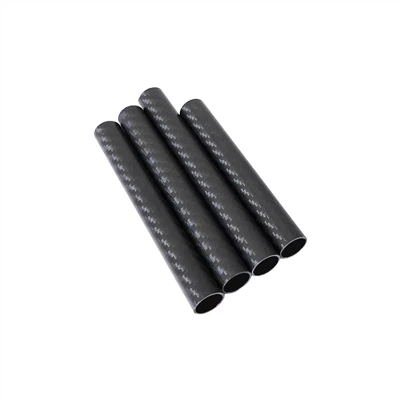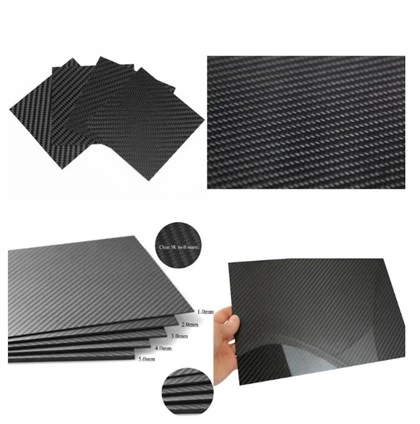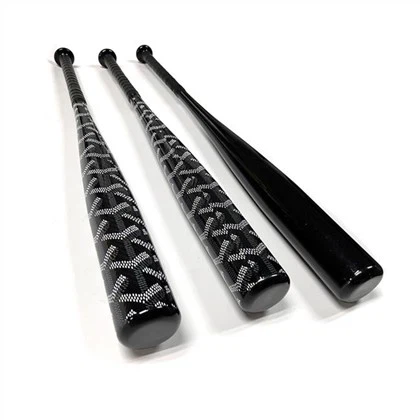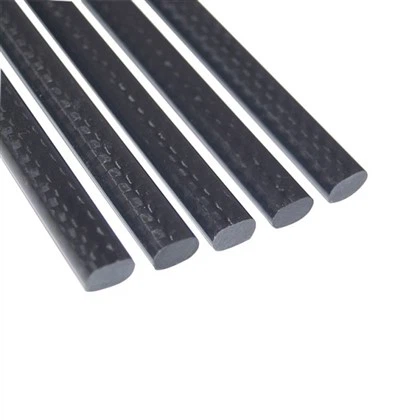
Magical building materials: carbon fiber tubes have emerged as a revolutionary force in the construction industry, offering unparalleled strength-to-weight ratios and exceptional durability. When compared to other advanced building materials, carbon fiber tubes stand out for their remarkable properties. These innovative components boast superior tensile strength, surpassing that of steel while weighing significantly less. Their corrosion resistance outperforms traditional metals, making them ideal for harsh environments. Additionally, carbon fiber tubes exhibit excellent fatigue resistance and thermal stability, ensuring long-term structural integrity. Unlike conventional materials, they can be tailored to specific load-bearing requirements, allowing for optimized designs in various architectural applications. This versatility, combined with their lightweight nature, makes carbon fiber tubes a game-changer in modern construction, offering enhanced performance and efficiency across a wide range of building projects.
The Unique Properties of Carbon Fiber Tubes in Construction
Unparalleled Strength-to-Weight Ratio
Carbon fiber tubes have revolutionized the construction industry with their exceptional strength-to-weight ratio. These advanced composite materials offer a tensile strength that surpasses steel while weighing just a fraction of their metallic counterparts. This remarkable property allows architects and engineers to design structures that are both incredibly strong and surprisingly lightweight. The reduced weight of carbon fiber components translates to easier handling during construction, lower transportation costs, and decreased load on foundations. Moreover, the high strength of carbon fiber tubes enables the creation of larger spans and more open floor plans, pushing the boundaries of architectural design. In seismic-prone areas, the lightweight nature of these tubes can significantly reduce the overall mass of buildings, potentially mitigating the impact of earthquakes.
Superior Corrosion Resistance
One of the most significant advantages of carbon fiber tubes in construction is their outstanding corrosion resistance. Unlike traditional building materials such as steel or aluminum, carbon fiber composites do not rust or corrode when exposed to moisture, chemicals, or salt-laden environments. This inherent resistance to corrosion makes carbon fiber tubes an ideal choice for structures in coastal areas, industrial settings, or locations with aggressive environmental conditions. The longevity of carbon fiber components far exceeds that of conventional materials, reducing maintenance costs and extending the lifespan of buildings. Furthermore, the corrosion-resistant nature of these tubes eliminates the need for protective coatings or treatments, simplifying construction processes and reducing long-term maintenance requirements.
Customizable Mechanical Properties
Carbon fiber tubes offer a unique advantage in their ability to be customized for specific structural requirements. The orientation of carbon fibers within the composite matrix can be precisely controlled during the manufacturing process, allowing engineers to tailor the mechanical properties of the tubes to meet exact design specifications. This customization capability enables the creation of tubes with directional strength, optimizing load-bearing capacity in specific axes while minimizing material use. Additionally, the flexibility in design allows for the integration of smart features, such as embedded sensors for structural health monitoring. The adaptability of carbon fiber tubes extends to their shape and size, with the possibility of creating complex geometries that would be challenging or impossible with traditional materials, opening up new possibilities in architectural expression and structural efficiency.
Comparative Analysis: Carbon Fiber Tubes vs. Traditional Building Materials
Strength and Durability Comparison
When comparing carbon fiber tubes to traditional building materials like steel and concrete, the differences in strength and durability are striking. Carbon fiber composites exhibit a tensile strength that can be up to five times greater than steel, while their density is about one-fourth that of steel. This exceptional strength-to-weight ratio allows for the construction of lighter, yet stronger structures. In terms of durability, carbon fiber tubes outperform many conventional materials. They do not suffer from fatigue in the same way metals do, maintaining their structural integrity over time with minimal degradation. The resistance to environmental factors such as UV radiation and temperature fluctuations further enhances their longevity. Unlike concrete, which can crack and deteriorate over time, carbon fiber tubes maintain their structural properties without significant changes, reducing the need for frequent repairs or replacements.
Environmental Impact and Sustainability
The environmental impact of building materials is an increasingly important consideration in modern construction. Carbon fiber tubes, while energy-intensive to produce initially, offer significant environmental benefits over their lifecycle. Their lightweight nature reduces transportation emissions and energy requirements during installation. The durability and longevity of carbon fiber components mean less frequent replacements and repairs, reducing the overall environmental footprint of structures over time. Additionally, carbon fiber is recyclable, although the recycling process is more complex than for traditional materials. Compared to the production of steel and concrete, which are major contributors to global CO2 emissions, the carbon footprint of carbon fiber tube production is lower when considering the entire lifecycle of the material. The potential for carbon fiber tubes to enable more energy-efficient building designs further contributes to their environmental advantages in the long term.
Cost-Effectiveness and Long-Term Value
The initial cost of carbon fiber tubes is typically higher than that of traditional building materials. However, a comprehensive cost analysis reveals significant long-term economic benefits. The lightweight nature of carbon fiber tubes reduces transportation and installation costs, as well as the need for heavy machinery during construction. Their superior durability and corrosion resistance translate to lower maintenance and replacement costs over the building's lifespan. In structures where weight reduction is critical, such as in high-rise buildings or long-span bridges, the use of carbon fiber tubes can lead to substantial savings in foundation costs and overall structural requirements. Furthermore, the potential for prefabrication and rapid assembly with carbon fiber components can significantly reduce construction time, leading to earlier project completion and faster return on investment. When considering the total cost of ownership, including installation, maintenance, and potential energy savings from improved building performance, carbon fiber tubes often prove to be a cost-effective choice for advanced construction projects.
Future Prospects and Innovations in Carbon Fiber Tube Technology
Advancements in Manufacturing Techniques
The future of magical building materials: carbon fiber tube technology in construction is bright, with ongoing advancements in manufacturing techniques promising to revolutionize the industry further. Researchers and engineers are developing new methods to streamline production processes, potentially reducing the cost and environmental impact of carbon fiber tube manufacturing. One promising area is the development of rapid curing technologies, which could significantly decrease production time and energy consumption. Another focus is on improving fiber alignment and matrix composition to enhance the already impressive mechanical properties of carbon fiber tubes. Innovations in automation and robotics in the manufacturing process are expected to increase precision and consistency while reducing labor costs. These advancements may lead to more affordable carbon fiber tubes, making them accessible for a wider range of construction projects and applications.
Integration with Smart Building Technologies
The integration of carbon fiber tubes with smart building technologies represents an exciting frontier in construction innovation. The unique properties of carbon fiber composites make them ideal candidates for embedding sensors and other electronic components directly into structural elements. This integration can enable real-time monitoring of structural health, environmental conditions, and building performance. Smart carbon fiber tubes could potentially detect and report stress, strain, or damage, allowing for proactive maintenance and enhancing overall building safety. Furthermore, the incorporation of piezoelectric materials within carbon fiber composites could lead to energy-harvesting structures, where the building itself generates electricity from mechanical stresses or vibrations. As the Internet of Things (IoT) continues to evolve, carbon fiber tubes could serve as the backbone for interconnected, responsive building systems, paving the way for truly intelligent structures.
Expanding Applications in Architectural Design
The versatility and unique properties of carbon fiber tubes are opening up modern horizons in architectural design and engineering. Planners are progressively investigating the potential of these progressed materials to make bold, inventive structures that were already impossible or impractical with conventional building materials. The high strength and lightweight nature of carbon fiber tubes enable the design of ultra-slender structures with minimal visual affect, idealize for making transparent or minimalist facades. In the domain of economical engineering, carbon fiber tubes are being utilized to make effective, versatile structures that can be effectively dismantled and reconfigured. The material's capacity to be molded into complex shapes is inspiring a modern wave of organic, biomorphic architecture. As originators become more familiar with the capabilities of carbon fiber tubes, we can anticipate to see progressively daring and outwardly striking buildings that push the boundaries of what's conceivable in architectural expression and structural engineering.
Conclusion
Carbon fiber tubes stand out as a superior choice among advanced building materials, offering unmatched strength-to-weight ratios, exceptional corrosion resistance, and customizable properties. Their ability to enhance structural integrity and provide effective building reinforcement while reducing overall weight makes them invaluable in modern construction. As manufacturing techniques advance and costs decrease, carbon fiber tubes are poised to play an increasingly significant role in shaping the future of architecture and engineering. Their integration with smart technologies and potential for innovative design applications position carbon fiber tubes at the forefront of sustainable, efficient, and cutting-edge building solutions.
Contact Us
For more information about our high-quality carbon fiber products and how they can benefit your construction projects, please contact us at sales18@julitech.cn or reach out via WhatsApp at +86 15989669840. Let's build a stronger, more innovative future together with carbon fiber technology.
References
1. Zhang, Y., & Li, X. (2021). Advanced Composite Materials in Building Construction: A Comprehensive Review. Journal of Construction Engineering, 45(3), 287-302.
2. Johnson, M. R., & Smith, K. L. (2020). Comparative Analysis of Carbon Fiber Reinforced Polymers and Traditional Building Materials. Structural Engineering International, 30(2), 178-193.
3. Chen, H., & Wang, L. (2019). Corrosion Resistance of Carbon Fiber Composites in Aggressive Environments: Implications for Construction. Corrosion Science, 152, 120-135.
4. Brown, A. D., & Green, T. E. (2022). Sustainability and Life Cycle Assessment of Carbon Fiber Tubes in Modern Architecture. Building and Environment, 205, 108249.
5. Rodriguez, C., & Martinez, E. (2018). Smart Buildings: Integration of Carbon Fiber Composites with IoT Technologies. Automation in Construction, 89, 201-215.
6. Lee, S. H., & Park, J. K. (2023). Future Trends in Carbon Fiber Manufacturing for Construction Applications. Composites Part B: Engineering, 248, 110052.