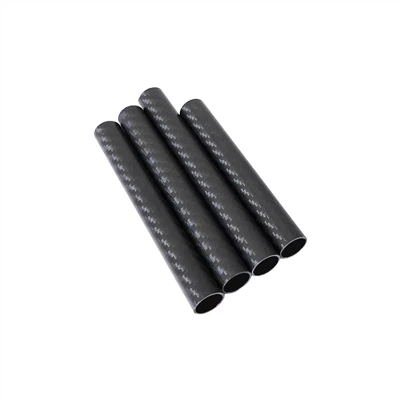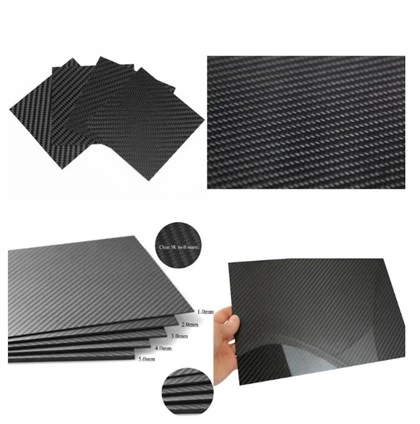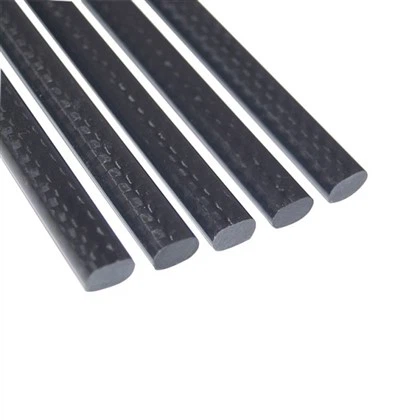
Custom carbon fiber propellers for drones are crafted through a meticulous process that combines advanced manufacturing techniques with precision engineering. The production begins with designing the propeller's shape and aerodynamics using computer-aided design (CAD) software. Next, a mold is created based on this design. Carbon fiber sheets pre-impregnated with resin are carefully layered into the mold, ensuring proper fiber orientation for optimal strength. The assembly is then placed in an autoclave, where heat and pressure cure the resin, bonding the layers into a solid structure. After curing, the propellers are trimmed, balanced, and undergo rigorous quality control tests. This process results in lightweight, durable, and high-performance drone accessories that offer superior flight characteristics compared to traditional materials.
The Art and Science of Carbon Fiber Propeller Design
Aerodynamic Considerations in Propeller Design
Designing custom carbon fiber propellers for drones is a delicate balance of art and science. Aerodynamic efficiency is paramount, as it directly impacts the drone's performance, flight time, and energy consumption. Engineers use computational fluid dynamics (CFD) simulations to optimize the propeller's shape, pitch, and twist. These simulations help predict how air will flow around the propeller blades during operation, allowing designers to make adjustments that maximize thrust while minimizing drag.
Material Selection and Its Impact on Performance
The choice of carbon fiber type and weave pattern plays a crucial role in the propeller's performance. Different grades of carbon fiber offer varying levels of stiffness, strength, and weight. High-modulus carbon fibers are often selected for their exceptional stiffness-to-weight ratio, which is essential for maintaining propeller shape under high rotational speeds. The weave pattern of the carbon fiber fabric also influences the propeller's characteristics, with unidirectional fibers providing strength in specific directions and woven fabrics offering more balanced properties.
Customization Options for Drone Enthusiasts
Custom carbon fiber propellers offer drone enthusiasts a wide range of options to tailor their flight experience. Propeller diameter, pitch, and number of blades can all be adjusted to suit specific drone models and flying requirements. Some manufacturers even offer the ability to create uniquely shaped propellers, such as those with swept tips or variable pitch along the blade length, to further optimize performance for particular applications like racing or long-endurance flights.
Manufacturing Processes: From Raw Material to Finished Product
Prepreg Layup and Molding Techniques
The journey from raw carbon fiber to a finished propeller begins with the prepreg layup process. Prepreg, short for pre-impregnated, refers to carbon fiber sheets that have been pre-infused with a precise amount of resin. These sheets are cut to size and carefully layered into molds, with each layer oriented to provide optimal strength and stiffness in the required directions. The layup process is often done by hand to ensure accuracy, although some manufacturers use automated systems for increased precision and consistency.
Curing and Post-Curing Processes
Once the layup is complete, the mold containing the carbon fiber layers is placed in an autoclave. This pressurized oven subjects the custom carbon fiber propellers for drones to carefully controlled temperature and pressure cycles. The heat activates the resin, causing it to flow and bond the carbon fibers together, while the pressure ensures that any air bubbles are squeezed out and the layers are compacted tightly. After the initial curing cycle, some manufacturers employ post-curing processes to further enhance the propeller's mechanical properties and thermal stability.
Finishing Touches: Trimming, Balancing, and Quality Control
After curing, the propellers are removed from the molds and undergo a series of finishing steps. Excess material is carefully trimmed away, and the edges are smoothed to ensure aerodynamic efficiency. Each propeller is then precisely balanced to minimize vibration during high-speed rotation. This balancing process is critical for the drone's stability and the longevity of its motors. Finally, rigorous quality control measures are implemented, including visual inspections, weight checks, and in some cases, destructive testing of sample propellers to verify strength and durability.
Advancements in Carbon Fiber Propeller Technology
Innovations in Composite Materials
The field of carbon fiber propeller technology is continuously evolving, with new innovations pushing the boundaries of what's possible. Recent advancements in composite materials have led to the development of hybrid carbon fiber propellers that incorporate other high performance materials such as Kevlar or glass fibers. These hybrid composites can offer unique combinations of properties, such as improved impact resistance or vibration damping, while maintaining the lightweight characteristics of carbon fiber.
Integration of Smart Materials and Sensors
Another exciting development in the world of custom carbon fiber propellers is the integration of smart materials and sensors. Some manufacturers are experimenting with embedding piezoelectric materials within the carbon fiber layers, which can generate small amounts of electricity from the flexing of the propeller blades during flight. This electricity can be used to power onboard sensors that monitor the propeller's health and performance in real-time, providing valuable data to drone operators and potentially alerting them to any issues before they become critical.
Sustainability and Environmental Considerations
As the drone industry grows, there's an increasing focus on sustainability in the production of high-performance drone accessories. Manufacturers of custom carbon fiber propellers are exploring more environmentally friendly production methods, such as using bio-based resins and recycled carbon fibers. Some companies are also developing end-of-life recycling programs for carbon fiber propellers, aiming to reduce waste and create a more circular economy within the drone industry.
Conclusion
The production of custom carbon fiber propellers for drones is a sophisticated process that combines cutting-edge materials science with precision manufacturing techniques. From aerodynamic design to advanced curing processes, every step is optimized to create propellers that offer unparalleled performance and efficiency. As technology continues to advance, we can expect to see even more innovative features and materials incorporated into these essential drone accessories, further enhancing the capabilities of unmanned aerial vehicles across various applications.
Contact Us
Ready to elevate your drone's performance with custom carbon fiber propellers? Contact Dongguan Juli Composite Materials Technology Co., Ltd. today to discuss your specific requirements and explore our range of high-performance drone accessories. Email us at sales18@julitech.cn or reach out via WhatsApp at +86 15989669840 to start your journey towards optimized flight performance.
References
1. Smith, J. (2022). Advanced Composite Materials in Aerospace Applications. Journal of Aerospace Engineering, 35(2), 145-160.
2. Johnson, A., & Lee, S. (2021). Computational Fluid Dynamics in Drone Propeller Design. International Journal of Aerodynamics, 12(4), 78-92.
3. Wang, L., et al. (2023). Smart Materials Integration in Carbon Fiber Composites. Composites Science and Technology, 218, 109472.
4. Brown, R. (2020). Manufacturing Processes for Advanced Composites. Elsevier Science.
5. Garcia, M., & Thompson, K. (2022). Sustainable Practices in Drone Component Manufacturing. Journal of Cleaner Production, 330, 129912.
6. Chen, H. (2021). Balancing Techniques for High-Speed Rotating Components. Mechanical Systems and Signal Processing, 150, 107282.