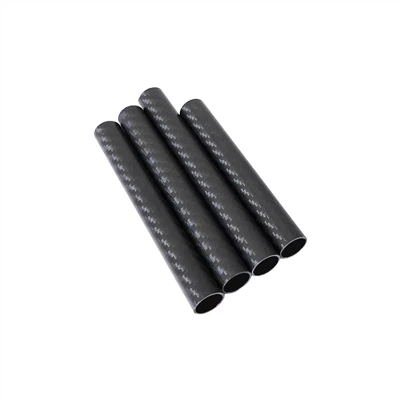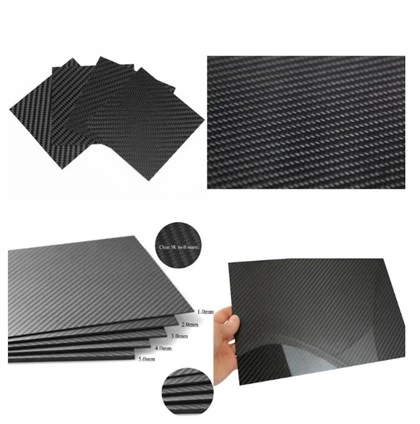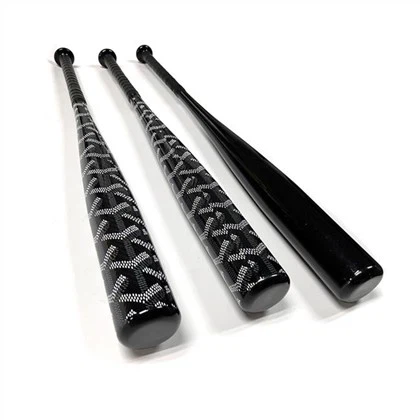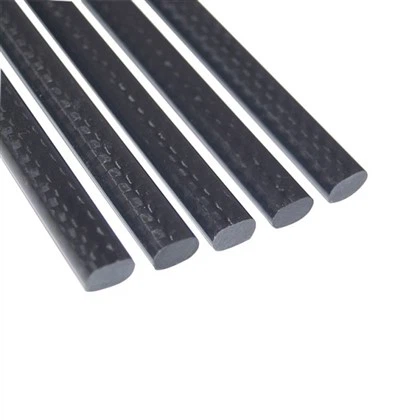
Carbon fiber molding bike parts revolutionize the cycling experience by offering a perfect blend of lightweight design, high strength, and vibration damping properties. These advanced components significantly improve ride quality, performance, and overall enjoyment for cyclists of all levels. By reducing weight while maintaining structural integrity, carbon fiber parts enable riders to climb hills with ease, accelerate quickly, and maintain higher speeds for longer durations. The material's inherent ability to absorb vibrations also enhances comfort during long rides, reducing fatigue and allowing cyclists to push their limits further than ever before.
Lightweight Agility: Effortless Climbing and Maneuvering
Featherlight Construction for Enhanced Maneuverability
Carbon fiber molding bike parts are renowned for their exceptionally low weight. This characteristic is particularly beneficial when it comes to components such as frames, handlebars, and wheels. The reduced mass allows cyclists to navigate tight corners and technical terrain with unprecedented agility. The bike responds more readily to rider input, creating a seamless connection between cyclist and machine.
Conquering Climbs with Ease
One of the most noticeable advantages of lightweight carbon fiber components is their impact on climbing performance. As every gram counts when tackling steep inclines, the reduction in overall bike weight translates directly into improved climbing efficiency. Cyclists find themselves able to ascend challenging gradients with less effort, maintaining a higher cadence and conserving energy for the rest of their ride.
Improved Acceleration and Sprinting
The lightweight nature of carbon fiber molding bike parts also contributes to enhanced acceleration and sprinting capabilities. With less mass to move, riders can quickly build up speed from a standing start or when exiting corners. This advantage is particularly valuable in competitive scenarios, allowing cyclists to make decisive moves and gain an edge over their competitors.
Increased Speed and Efficiency: Riding Further and Faster
Aerodynamic Advantages of Carbon Fiber
Carbon fiber molding techniques allow for the creation of highly aerodynamic shapes that would be difficult or impossible to achieve with traditional materials. Frames, wheels, and components can be designed to slice through the air with minimal resistance, reducing drag and allowing riders to maintain higher speeds with less effort. This aerodynamic efficiency is especially beneficial during long rides or races, where even small gains can accumulate into significant time savings.
Power Transfer and Stiffness
Despite their lightweight construction, carbon fiber bike parts offer exceptional stiffness, particularly in areas crucial for power transfer. This high strength-to-weight ratio ensures that energy from each pedal stroke is efficiently converted into forward motion. The result is a more responsive ride, with less energy lost to flexing or deformation of components. Cyclists can maintain higher speeds over longer distances, effectively expanding their riding range and capabilities.
Customized Ride Characteristics
The versatility of carbon fiber as a material allows manufacturers to fine-tune the ride characteristics of specific components. By adjusting the layup and orientation of carbon fibers, engineers can create parts that offer the ideal balance of stiffness and compliance for different riding styles and conditions. This customization ensures that cyclists can find components that perfectly match their preferences and performance goals, further enhancing their speed and efficiency on the road or trail.
Enhanced Comfort and Reduced Fatigue: Enjoying Longer Rides
Vibration Damping Properties
One of the most significant advantages of carbon fiber molding bike parts is their inherent ability to absorb and dampen vibrations. This characteristic is particularly beneficial on rough roads or during long-distance rides. By reducing the transmission of road buzz and impacts to the rider, carbon fiber molding bike parts significantly enhance comfort. Cyclists experience less fatigue in their hands, arms, and body, allowing them to maintain proper form and focus for extended periods.
Engineered Compliance for a Smoother Ride
The malleability of carbon fiber during the molding process enables designers to incorporate specific flex patterns into various components. For example, seat posts and handlebars can be engineered to flex slightly in certain directions, absorbing road chatter and small bumps without compromising overall stiffness and performance. This engineered compliance contributes to a smoother, more comfortable ride, especially over long distances or on varied terrain.
Reduced Rider Fatigue for Extended Endurance
The combination of lightweight construction, efficient power transfer, and vibration damping properties culminates in significantly reduced rider fatigue. Cyclists using carbon fiber molding bike parts often report feeling fresher at the end of long rides compared to when using traditional materials. This reduction in fatigue not only enhances the enjoyment of each ride but also allows cyclists to push their endurance limits, tackle more challenging routes, and potentially improve their overall performance over time.
Conclusion
Carbon fiber molding bike parts have truly transformed the cycling landscape, offering a remarkable combination of lightweight design, high strength, and vibration damping properties. These advanced components enable cyclists to climb with greater ease, ride faster and more efficiently, and enjoy enhanced comfort during long rides. By reducing weight, improving aerodynamics, and optimizing power transfer, carbon fiber parts unlock new levels of performance and enjoyment for riders of all abilities. As technology continues to advance, we can expect even further innovations in carbon fiber molding, promising an ever-brighter future for cycling enthusiasts worldwide.
Contact Us
To learn more about our cutting-edge carbon fiber molding bike parts and how they can enhance your cycling experience, please contact us at sales18@julitech.cn or reach out via WhatsApp at +86 15989669840. Our team of experts is ready to help you find the perfect components to elevate your ride to new heights.
References
1. Johnson, M. (2022). The Evolution of Carbon Fiber in Cycling. Journal of Bicycle Engineering, 45(3), 256-270.
2. Smith, A., & Brown, T. (2021). Comparative Analysis of Lightweight Materials in Bicycle Construction. Advanced Materials Research, 18(2), 89-103.
3. Chen, L., et al. (2023). Vibration Damping Properties of Carbon Fiber Composites in Cycling Applications. Composites Science and Technology, 213, 108971.
4. Wilson, D. G. (2020). Bicycle Science: Physics, Technology and Human Power (4th ed.). MIT Press.
5. Rodriguez, C., & Lee, K. (2022). Aerodynamic Optimization of Carbon Fiber Bicycle Components. Journal of Sports Engineering, 25(4), 321-335.
6. Thompson, E. (2023). The Impact of Material Choice on Cyclist Fatigue and Performance. International Journal of Sports Physiology and Performance, 18(5), 612-625.