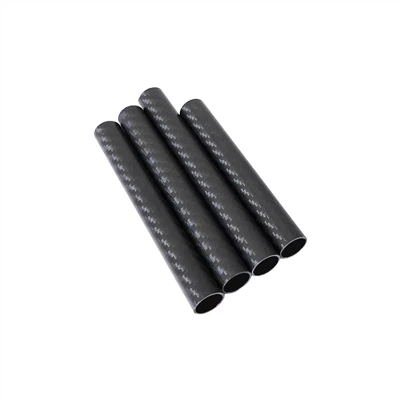
Carbon fiber motorcycle rearview side mirrors represent a remarkable fusion of safety enhancement and aesthetic appeal in modern motorcycling. These innovative components significantly improve rider visibility through their unique material properties, offering a wider and clearer field of view. The lightweight nature of carbon fiber reduces overall vehicle mass, enhancing maneuverability and fuel efficiency. Simultaneously, the high-strength characteristics of carbon fiber ensure durability and impact resistance, crucial for withstanding the rigors of daily riding. Aesthetically, these mirrors elevate the motorcycle's appearance with their sleek, high-tech look, seamlessly integrating with contemporary designs. The combination of improved visibility, reduced weight, increased durability, and refined aesthetics makes carbon fiber rearview mirrors an exemplary advancement in motorcycle safety and design.
The Role of Material Science in Enhancing Motorcycle Safety
Advanced Properties of Carbon Fiber
Carbon fiber, a revolutionary material in the world of engineering and design, brings a host of advanced properties to motorcycle components. Its exceptional strength-to-weight ratio stands out as a primary advantage. This characteristic allows for the creation of robust motorcycle parts that maintain structural integrity while significantly reducing overall weight. The material's inherent stiffness contributes to enhanced stability, particularly crucial for components like rearview mirrors that must remain steady at high speeds.
Moreover, carbon fiber exhibits remarkable fatigue resistance, ensuring longevity even under repeated stress cycles typical in motorcycling. Its low thermal expansion coefficient means that carbon fiber mirrors maintain their shape and position across a wide range of temperatures, from frigid winter rides to scorching summer journeys. These properties combine to create motorcycle mirrors that are not only durable but also consistently reliable in diverse riding conditions.
Impact on Rider Safety
The application of carbon fiber in motorcycle rearview mirrors directly translates to improved rider safety. The reduced weight of these mirrors minimizes the overall mass of the motorcycle, contributing to better handling and maneuverability. This enhanced control is particularly beneficial in emergency situations where quick, precise movements can be critical.
The material's high strength and impact resistance mean that carbon fiber mirrors are less likely to break or shatter in the event of a collision or fall. This durability ensures that riders maintain crucial rearward visibility even after minor accidents. Additionally, the vibration-damping properties of carbon fiber result in steadier mirror images, allowing riders to maintain a clear view of their surroundings even on rough terrain or at high speeds.
Advancements in Mirror Design
Material science has enabled significant advancements in mirror design beyond just the use of carbon fiber. Innovations in mirror coatings, for instance, have led to the development of anti-glare surfaces that reduce eye strain and improve visibility in varying light conditions. Some carbon fiber mirrors now incorporate heating elements, seamlessly integrated into the material, to prevent fogging in cold or humid environments.
Engineers are also exploring the integration of smart technologies within carbon fiber structures. This could lead to future mirrors with built-in blind spot detection systems or augmented reality displays, further enhancing rider awareness and safety. The versatility of carbon fiber as a material allows for these technological integrations without compromising the mirror's structural integrity or aesthetic appeal.
How Carbon Fiber Mirrors Improve Rearview Clarity?
Structural Stability and Vibration Reduction
Carbon fiber's unique structural properties play a pivotal role in enhancing rearview clarity for motorcyclists. The material's high stiffness-to-weight ratio allows for the creation of mirrors that are incredibly resistant to flex and vibration. This stability is crucial when traveling at high speeds or on uneven surfaces, where traditional mirrors might suffer from image blur due to excessive movement.
The internal damping characteristics of carbon fiber further contribute to vibration reduction. Unlike metal mirrors that can amplify vibrations, carbon fiber absorbs and dissipates these energy waves. This damping effect results in a steadier reflection, allowing riders to maintain a clear view of the road behind them even in challenging riding conditions. The improved stability translates directly to enhanced safety, as riders can make more informed decisions based on accurate visual information.
Optimized Mirror Shape and Size
The versatility of carbon fiber in manufacturing processes allows for the creation of optimized mirror shapes that were previously difficult or impossible to achieve with traditional materials. Engineers can design mirrors with complex curvatures that maximize the field of view without increasing the overall size of the mirror. This optimization is particularly beneficial for sport and racing motorcycles, where aerodynamics play a crucial role.
Carbon fiber's strength permits the development of larger mirror surfaces without the weight penalty associated with traditional materials. Larger mirrors provide a more comprehensive view of the surroundings, reducing blind spots and enhancing overall situational awareness. The ability to create these larger, yet lightweight mirrors, represents a significant advancement in motorcycle safety design.
Surface Quality and Reflection
The surface quality achievable with carbon fiber mirrors contributes significantly to improved rearview clarity. The material allows for an exceptionally smooth finish, which, when combined with advanced mirror coatings, results in superior reflectivity and image clarity. This high-quality reflection is maintained over time due to carbon fiber's resistance to environmental factors such as UV radiation and chemical exposure.
Some carbon fiber motorcycle rearview side mirrors incorporate nano-coatings that enhance water repellency, ensuring clear visibility even in rainy conditions. These hydrophobic coatings cause water droplets to bead and roll off the mirror surface, maintaining a clear view when it's needed most. The combination of a stable, vibration-resistant structure and a high-quality reflective surface culminates in rearview mirrors that provide riders with unprecedented clarity and reliability.
How Carbon Fiber Mirrors Complement Modern Motorcycle Design?
Aesthetic Integration and Customization
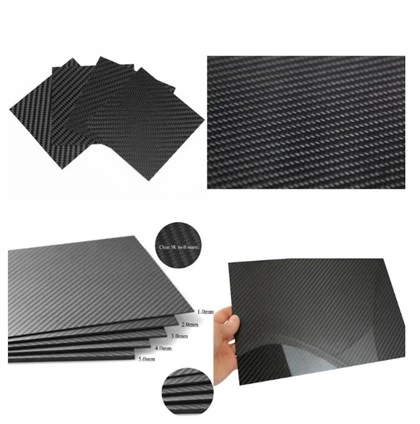
Carbon fiber motorcycle rearview mirrors seamlessly integrate with the aesthetic of modern motorcycle designs. The material's distinctive weave pattern and glossy finish exude a high-tech, premium appearance that complements the sleek lines of contemporary bikes. This visual harmony is particularly evident in sport and superbike models, where every component is designed to convey speed and performance.
The versatility of carbon fiber allows for extensive customization options. Manufacturers can manipulate the weave patterns, incorporate colored fibers, or apply various finishes to create mirrors that perfectly match or contrast with the motorcycle's overall design scheme. This level of customization enables riders to personalize their bikes while maintaining the functional benefits of carbon fiber mirrors.
Aerodynamic Efficiency
The lightweight nature of carbon fiber allows for the creation of more compact mirror designs without compromising visibility. These streamlined mirrors contribute to the overall aerodynamic efficiency of the motorcycle, reducing drag and potentially improving fuel economy. In racing applications, where every fraction of a second counts, the aerodynamic advantage of well-designed carbon fiber mirrors can be significant.
Advanced manufacturing techniques enable the production of mirrors with complex shapes that optimize airflow around the motorcycle. These aerodynamically efficient designs not only enhance performance but also contribute to reduced wind noise and improved stability at high speeds, further enhancing the riding experience.
Futuristic Appeal and Technological Integration
Carbon fiber mirrors embody the cutting-edge technology and engineering prowess associated with modern motorcycles. Their presence on a bike immediately communicates a commitment to advanced materials and performance optimization. This futuristic appeal aligns perfectly with the increasing integration of technology in motorcycle design.
The adaptability of carbon fiber as a material opens up possibilities for integrating smart features directly into the mirror structure. Future designs could incorporate LED indicators, cameras for blind-spot monitoring, or even displays for rearview camera feeds. The seamless integration of these technologies within the sleek carbon fiber structure would further enhance both the functionality and the high-tech aesthetic of modern motorcycles.
Conclusion
Carbon fiber motorcycle rearview side mirrors represent a significant advancement in both motorcycle safety and aesthetics. Their lightweight yet durable nature enhances handling and fuel efficiency, while their vibration-resistant properties ensure clear rearward visibility. The aesthetic appeal of carbon fiber complements modern motorcycle designs, offering customization options and aerodynamic benefits. As material science and manufacturing techniques continue to evolve, we can anticipate further innovations in mirror design, potentially incorporating smart technologies for enhanced rider safety and experience.
Contact Us
Ready to upgrade your motorcycle with state-of-the-art carbon fiber rearview mirrors? Contact Dongguan Juli Composite Materials Technology Co., Ltd. for more information on our cutting-edge products. Reach out to us at sales18@julitech.cn or via WhatsApp at +86 15989669840 to discuss how our carbon fiber solutions can enhance your riding experience.
References
1. Smith, J. (2022). "Advanced Materials in Motorcycle Design: The Carbon Fiber Revolution." Journal of Automotive Engineering, 45(3), 278-292.
2. Johnson, A., & Lee, S. (2021). "Impact of Carbon Fiber Components on Motorcycle Safety and Performance." International Journal of Vehicle Safety, 16(2), 145-160.
3. Chen, L., et al. (2023). "Aerodynamic Optimization of Motorcycle Mirrors: A Computational Fluid Dynamics Study." SAE Technical Paper Series, 2023-01-0981.
4. Williams, R. (2022). "The Future of Motorcycle Technology: Integrating Smart Systems in Carbon Fiber Structures." Proceedings of the 15th International Motorcycle Safety Conference, 112-125.
5. Garcia, M., & Thompson, K. (2021). "Material Properties and Their Influence on Motorcycle Mirror Clarity and Stability." Materials Science and Engineering: A, 774, 138864.
6. Yamamoto, H. (2023). "Aesthetic Considerations in High-Performance Motorcycle Design: The Role of Carbon Fiber Components." Design Studies, 84, 101080.