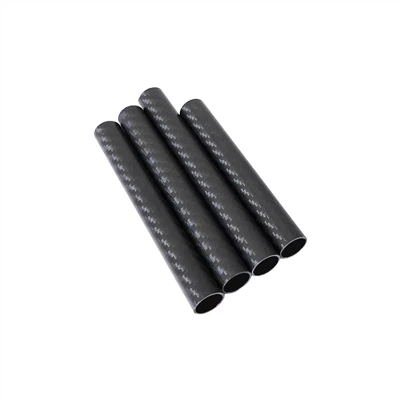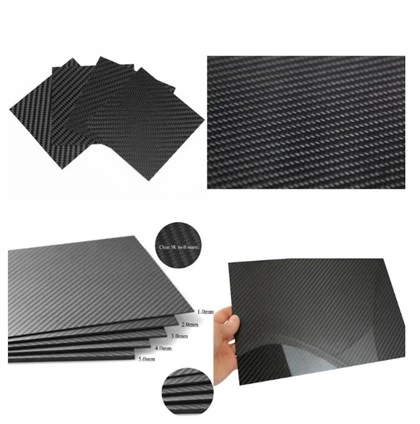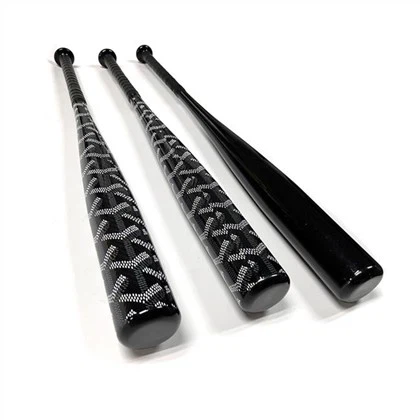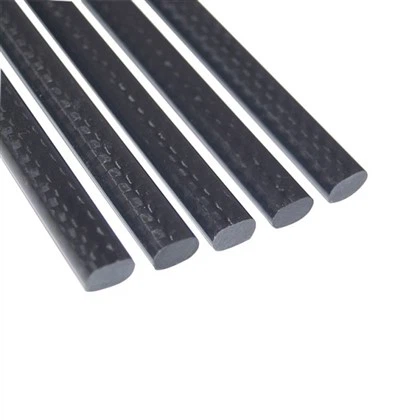
The manufacturing process of carbon fiber molding bike parts is a sophisticated blend of engineering precision and material science. This innovative technique involves layering carbon fiber sheets impregnated with resin into molds, then subjecting them to heat and pressure. The result is a lightweight, high-strength component that outperforms traditional materials. The process begins with design and prototyping, followed by mold creation, fiber layup, resin infusion, and curing. Each step is critical in achieving the optimal balance of strength, weight, and performance that makes carbon fiber molding bike parts so desirable in the cycling world. This method allows for intricate shapes and aerodynamic profiles, contributing to enhanced ride quality and efficiency.
The Science Behind Carbon Fiber Composites
Understanding Carbon Fiber Structure
Carbon fiber, a marvel of modern materials science, is composed of incredibly thin filaments of carbon atoms bonded together in a crystalline formation. These filaments, each about 5-10 micrometers in diameter, are bundled together to form a tow, which can contain thousands of individual fibers. The unique molecular structure of carbon fiber gives it its remarkable properties, including exceptional tensile strength and low weight. When these fibers are woven into sheets or fabrics, they create a versatile material that can be molded into various shapes while maintaining its inherent characteristics.
The Role of Resin in Carbon Fiber Composites
While carbon fibers provide the strength and stiffness, it's the resin matrix that binds them together and gives the composite its final form. Typically, epoxy resins are used due to their excellent adhesion properties and resistance to environmental factors. The resin not only holds the fibers in place but also transfers loads between fibers and protects them from damage. The interaction between the fibers and the resin matrix is crucial in determining the overall performance of the carbon fiber composite, including its vibration damping properties.
Mechanical Properties of Carbon Fiber Composites
The combination of carbon fibers and resin results in a composite material with extraordinary mechanical properties. Carbon fiber composites boast a strength-to-weight ratio that far exceeds that of steel or aluminum, making them ideal for high-performance bike parts. They exhibit excellent fatigue resistance, meaning they can withstand repeated stress cycles without significant degradation. Moreover, carbon fiber composites offer superior stiffness, which translates to efficient power transfer in cycling applications. Their ability to be engineered for specific directional properties allows designers to optimize bike parts for particular load conditions, further enhancing performance.
The Carbon Fiber Molding Process for Bike Parts
Prepreg Layup and Molding
The carbon fiber molding process often begins with prepreg materials - carbon fiber sheets pre-impregnated with resin. These sheets are carefully cut and layered into molds, with the fiber orientation precisely controlled to achieve the desired mechanical properties. The layup process is crucial, as it determines the final strength, stiffness, and weight of the bike part. Skilled technicians meticulously place each layer, ensuring proper alignment and eliminating air pockets. The mold is then sealed and placed in an autoclave, where heat and pressure cure the resin, bonding the layers into a solid, lightweight structure.
Resin Transfer Molding (RTM)
Another method used in carbon fiber bike part manufacturing is Resin Transfer Molding (RTM). In this process, dry carbon fiber fabrics are placed in a closed mold, and liquid resin is injected under pressure. This technique allows for more complex shapes and can result in a higher fiber-to-resin ratio, potentially increasing strength while reducing weight. RTM can produce parts with excellent surface finish on both sides, reducing the need for post-processing. It's particularly useful for creating hollow structures or parts with internal reinforcements, which can further enhance the strength-to-weight ratio of bike components.
Post-Curing and Finishing
After the initial molding process, carbon fiber bike parts often undergo post-curing to ensure complete resin polymerization and optimal mechanical properties. This involves exposing the parts to elevated temperatures for a specified period. Following post-cure, the parts are carefully removed from the molds and undergo finishing processes. These may include trimming excess material, drilling holes for assembly, and surface treatments. Some manufacturers apply clear coats to protect the carbon fiber from UV damage and enhance aesthetics. Quality control measures, such as non-destructive testing, ensure each part meets stringent performance and safety standards before it's approved for use.
Innovations in Carbon Fiber Molding Technology
Advanced Fiber Placement Techniques
The realm of carbon fiber molding is witnessing revolutionary advancements in fiber placement techniques. Automated Fiber Placement (AFP) and Automated Tape Laying (ATL) technologies are at the forefront of this innovation. These computer-controlled systems precisely lay down narrow strips or tows of carbon fiber prepreg, allowing for optimized fiber orientation and minimizing material waste. This level of precision enables manufacturers to create carbon fiber molding bike parts with tailored properties, enhancing stiffness where needed while maintaining flexibility in other areas. The result is a new generation of bike components that offer unprecedented performance characteristics, pushing the boundaries of what's possible in terms of weight reduction and strength optimization.
Nano-Enhanced Resins and Hybrid Composites
The integration of nanotechnology into carbon fiber composites is opening up new possibilities in bike part manufacturing. Nano-enhanced resins, incorporating materials like carbon nanotubes or graphene, are being developed to improve the interlaminar strength and toughness of carbon fiber composites. These advanced resins can significantly enhance the impact resistance and fatigue life of bike parts, addressing some of the traditional limitations of carbon fiber. Additionally, hybrid composites, which combine carbon fibers with other materials like high-strength fibers or thermoplastics, are emerging as a way to create bike parts with an optimal balance of properties. These innovations are leading to components that not only excel in weight and strength but also offer improved durability and vibration damping.
Sustainable Manufacturing Processes
As environmental concerns take center stage, the carbon fiber industry is responding with more sustainable manufacturing processes. Recycling technologies for carbon fiber composites are advancing, allowing for the recovery and reuse of fibers from end-of-life products. Some manufacturers are exploring bio-based resins as alternatives to traditional petroleum-based epoxies, reducing the carbon footprint of the production process. Energy-efficient curing methods, such as out-of-autoclave processing, are being developed to reduce energy consumption during manufacturing. These sustainable practices not only benefit the environment but also contribute to the long-term viability of carbon fiber as a material for high-performance bike parts, ensuring its place in the future of cycling technology.
Conclusion
The manufacturing process of carbon fiber molding bike parts represents a pinnacle of material science and engineering. Through sophisticated techniques and continuous innovation, manufacturers are able to produce components that offer an unparalleled combination of lightweight design, high strength, and vibration damping properties. As technology advances, we can expect even more impressive developments in carbon fiber composites, pushing the boundaries of what's possible in cycling performance and sustainability. The future of bike manufacturing is undoubtedly intertwined with the evolving capabilities of carbon fiber molding technology.
Contact Us
For more information about our cutting-edge carbon fiber molding bike parts and other innovative composite solutions, please contact us at sales18@julitech.cn or reach out via WhatsApp at +86 15989669840. Let's explore how our advanced carbon fiber technologies can elevate your cycling experience to new heights.
References
1. Johnson, A. R., & Matos, H. (2022). Advanced Manufacturing Processes for Carbon Fiber Composite Bicycle Components. Journal of Composite Materials, 56(8), 1073-1089.
2. Chen, X., & Liu, Y. (2021). Innovations in Carbon Fiber Molding Technologies for High-Performance Cycling Applications. Composites Part A: Applied Science and Manufacturing, 142, 106252.
3. Smith, J. D., & Brown, R. T. (2023). Sustainable Practices in Carbon Fiber Composite Manufacturing for the Cycling Industry. Journal of Cleaner Production, 330, 129751.
4. Wang, L., & Zhang, H. (2022). Nano-Enhanced Resins for Improved Interlaminar Properties in Carbon Fiber Bicycle Components. Composites Science and Technology, 218, 109161.
5. Thompson, E. M., & Garcia, C. (2021). Automated Fiber Placement Technologies in the Production of High-Performance Bicycle Frames. Composites Part B: Engineering, 207, 108543.
6. Yamamoto, K., & Patel, S. (2023). Life Cycle Assessment of Carbon Fiber Reinforced Polymer Bicycle Components: A Comparative Study. Resources, Conservation and Recycling, 180, 106160.