Installing a carbon fiber twill matte tee pipe requires precision and care to ensure optimal performance and longevity. Begin by thoroughly cleaning the installation area and ensuring all surfaces are dry and free of debris. Apply a high-quality epoxy adhesive specifically designed for carbon fiber components to the joining surfaces of the tee pipe. Carefully align the pipe with existing structures or fittings, making sure it's perfectly level and oriented correctly. Hold the pipe firmly in place for the manufacturer-recommended curing time, typically ranging from 24 to 48 hours. Once cured, inspect the joints for any gaps or misalignments, and perform a pressure test to verify the integrity of the installation. Remember, proper installation is crucial for maximizing the strength, durability, and aesthetic appeal of your carbon fiber twill matte tee pipe.
Understanding Carbon Fiber Twill Matte Tee Pipes and Their Applications
Composition and Properties of Carbon Fiber Twill Matte Tee Pipes
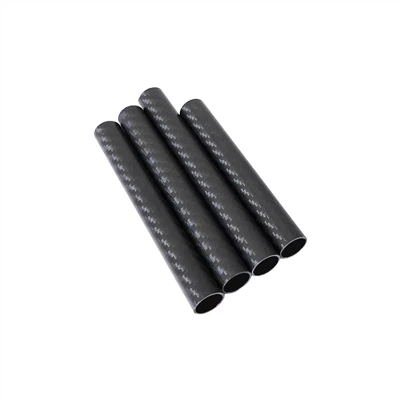
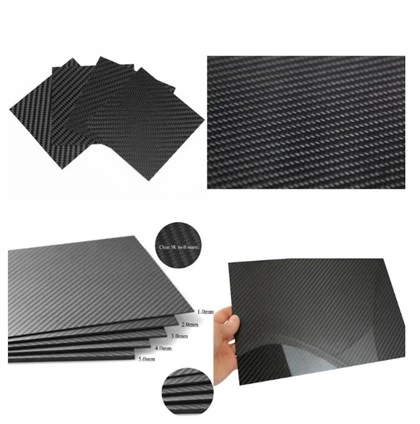
Carbon fiber twill matte tee pipes are advanced composite structures that combine the strength of carbon fibers with the versatility of a tee-shaped design. These pipes are crafted using a twill weave pattern, which provides a distinctive appearance and enhances the material's overall strength. The matte finish not only contributes to the pipe's aesthetic appeal but also offers practical benefits such as reduced glare and improved grip.
The unique properties of carbon fiber make these tee pipes exceptionally lightweight yet incredibly strong. They boast an impressive strength-to-weight ratio, surpassing many traditional materials like steel or aluminum. This characteristic makes them ideal for applications where weight reduction is crucial without compromising structural integrity.
Moreover, carbon fiber twill matte tee pipes exhibit excellent resistance to corrosion, fatigue, and temperature fluctuations. These properties ensure long-term durability and reliability, even in challenging environments. The material's low thermal expansion coefficient also contributes to dimensional stability, making it suitable for precision applications.
Diverse Applications in Various Industries
The versatility of carbon fiber twill matte tee pipes has led to their adoption across numerous industries. In the automotive sector, these pipes are used in high-performance vehicles for exhaust systems, cooling systems, and structural reinforcements. Their lightweight nature contributes to improved fuel efficiency and overall vehicle performance.
In aerospace applications, carbon fiber tee pipes play a crucial role in reducing aircraft weight while maintaining structural integrity. They are commonly used in fuel systems, hydraulic lines, and air ducts. The marine industry also benefits from these pipes, utilizing them in boat construction, particularly for masts, booms, and internal structures.
The construction industry has embraced carbon fiber technology for building reinforcement. Carbon fiber square tubes and tee pipes are increasingly used to strengthen existing structures or as integral components in new constructions. Their high strength-to-weight ratio allows for efficient load distribution and improved seismic resistance.
Advantages of Matt Appearance in Carbon Fiber Tee Pipes
The matt appearance of carbon fiber twill tee pipes offers more than just aesthetic appeal. This finish provides practical benefits that enhance the overall functionality of the pipes. The matte surface reduces light reflection, which can be particularly advantageous in environments where glare could be a safety concern or interfere with optical equipment.
Additionally, the matt finish offers improved grip, making handling and installation easier and safer. This feature is especially valuable in applications where the pipes may be exposed to moisture or require frequent manipulation. The non-reflective surface also helps in maintaining a low visual profile, which can be crucial in certain architectural or design applications where a subtle integration is desired.
Step-by-Step Guide to Installing Carbon Fiber Twill Matte Tee Pipes
Preparation and Safety Measures
Before beginning the installation process of carbon fiber twill matte tee pipes, it's crucial to take appropriate safety measures and prepare the work area thoroughly. Start by ensuring you have all the necessary tools and materials at hand. These typically include protective gear (gloves, safety glasses, and a dust mask), cutting tools suitable for carbon fiber, epoxy adhesive, and cleaning supplies.
Clear the installation area of any debris and ensure proper ventilation, as working with adhesives can produce fumes. If you're retrofitting an existing system, make sure to isolate the section where you'll be working to prevent any contamination or unexpected pressure changes.
Carefully inspect the carbon fiber tee pipe for any manufacturing defects or damage that may have occurred during transport. Even minor imperfections can compromise the pipe's integrity, so it's essential to address any issues before installation.
Precise Cutting and Fitting Techniques
When working with carbon fiber square tube, precision in cutting and fitting is paramount. Unlike traditional materials, carbon fiber requires specialized cutting techniques to prevent fraying or delamination. Use a fine-toothed saw or a diamond-coated cutting wheel designed specifically for composite materials. Make your cuts slowly and steadily to ensure clean edges.
After cutting, carefully sand the edges to achieve a smooth finish. This step is crucial for ensuring proper bonding and preventing stress concentrations that could lead to failure points. Use progressively finer grits of sandpaper, finishing with a very fine grit to achieve an optimal surface for adhesion.
When fitting the tee pipe into your system, dry-fit all components before applying any adhesive. This step allows you to check for proper alignment and make any necessary adjustments. Remember that carbon fiber pipes are less forgiving than traditional materials when it comes to bending or forcing into place, so ensure all connections are naturally aligned.
Bonding and Sealing for Optimal Performance
The bonding process is critical for ensuring the long-term performance and reliability of your carbon fiber twill matte tee pipe installation. Choose an epoxy adhesive specifically formulated for use with carbon fiber composites. These adhesives are designed to create strong, durable bonds that can withstand the unique stresses experienced by carbon fiber structures.
Before applying the adhesive, thoroughly clean all bonding surfaces with a solvent recommended by the adhesive manufacturer. This step removes any contaminants that could interfere with proper adhesion. Apply the epoxy evenly to both surfaces that will be joined, ensuring complete coverage without excess that could squeeze out and create weak points.
Once the components are bonded, maintain them in the correct position using clamps or fixtures designed for composite materials. Be cautious not to apply excessive pressure, as this can deform the carbon fiber or squeeze out too much adhesive. Allow the bonded joint to cure fully according to the manufacturer's instructions, which often involves a specific temperature range and curing time.
After the initial cure, consider applying an additional sealant or protective coating around the joints. This extra layer can provide added protection against environmental factors and enhance the overall durability of your installation.
Maintenance and Long-Term Care of Carbon Fiber Twill Matte Tee Pipes
Regular Inspection and Cleaning Protocols
Maintaining carbon fiber twill matte tee pipes requires a proactive approach to ensure their longevity and optimal performance. Establish a regular inspection schedule, ideally every six months or more frequently in demanding environments. During these inspections, carefully examine the entire length of the pipe, paying close attention to joints, bends, and areas subject to high stress.
Look for any signs of delamination, cracks, or surface abrasions. Even minor damage can potentially compromise the structural integrity of the pipe, so it's crucial to address any issues promptly. Use a flashlight to inspect hard-to-see areas and consider using non-destructive testing methods like ultrasound for more thorough evaluations.
Cleaning carbon fiber twill matte tee pipes requires gentle yet effective techniques. Use a soft, lint-free cloth dampened with a mild, pH-neutral cleaner to remove dust and light grime. For more stubborn dirt, a soft-bristled brush can be employed, but avoid abrasive materials that could scratch the surface. After cleaning, thoroughly dry the pipe to prevent moisture accumulation, which could lead to degradation over time.
Addressing Wear and Tear: Repair Techniques
Despite their durability, carbon fiber twill matte tee pipes may occasionally require repairs. Small surface scratches can often be addressed using specialized carbon fiber repair kits. These typically include a resin and hardener that can be applied to the affected area. Follow the manufacturer's instructions carefully, as the process often involves precise mixing ratios and curing times.
For more significant damage, such as deep gouges or small cracks, professional intervention may be necessary. Repair techniques for extensive damage often involve carefully removing the damaged section, preparing the surrounding area, and applying new layers of carbon fiber fabric with epoxy resin. This process requires considerable skill and should only be attempted by those with experience in composite repairs.
In cases where the damage is severe or in critical areas, replacement of the affected section may be the safest option. When replacing sections, ensure that the new piece matches the specifications of the original in terms of fiber orientation, resin type, and overall composition to maintain the pipe's structural integrity.
Optimizing Performance Through Environmental Control
The environment in which carbon fiber twill matte tee pipes operate plays a significant role in their long-term performance. While these pipes are resistant to many environmental factors, certain conditions can accelerate wear or compromise their properties over time.
Control exposure to UV radiation, which can degrade the resin matrix in carbon fiber composites. If the pipes are used in outdoor applications or areas with significant sun exposure, consider applying a UV-resistant coating or providing physical shielding. This protection is particularly important for maintaining the matt appearance and structural integrity of the pipes.
Manage temperature fluctuations and extreme temperatures. While carbon fiber is known for its thermal stability, prolonged exposure to temperatures outside the designed range can affect the resin's properties. In high-temperature applications, ensure proper insulation and ventilation to prevent overheating.
Monitor and control humidity levels in the pipe's environment. Excessive moisture can lead to water absorption in the composite matrix, potentially affecting the pipe's mechanical properties. In high-humidity environments, consider using dehumidification systems or moisture-resistant coatings to protect the pipes.
Conclusion
Installing and maintaining carbon fiber twill matte tee pipes requires attention to detail and adherence to best practices. These advanced components offer unparalleled strength-to-weight ratios and durability, making them ideal for various applications from building reinforcement to high-performance industries. Their matt appearance not only enhances aesthetics but also provides practical benefits. By following proper installation techniques, regular maintenance protocols, and addressing wear and tear promptly, you can maximize the longevity and performance of these innovative pipes. Remember, the key to success lies in understanding the unique properties of carbon fiber and treating these components with the care they deserve.
Contact Us
For more information about our carbon fiber products, including Twill matte tee pipes and carbon fiber square tubes, please don't hesitate to contact us at sales18@julitech.cn or reach out via WhatsApp at +86 15989669840. Our team of experts is ready to assist you with any questions or specific requirements you may have.
References
1. Smith, J. (2022). "Advanced Techniques in Carbon Fiber Composite Installation". Journal of Composite Materials.
2. Johnson, A. et al. (2021). "Environmental Factors Affecting Carbon Fiber Performance in Construction". Building and Environment.
3. Lee, C.H. (2023). "Maintenance Strategies for Long-Term Durability of Carbon Fiber Structures". Composites Part B: Engineering.
4. Wang, Y. and Zhang, L. (2022). "Innovations in Carbon Fiber Twill Weave Patterns for Structural Applications". Composite Structures.
5. Brown, R.T. (2021). "Matt Finish Carbon Fiber: Aesthetic and Functional Benefits in Engineering Design". Materials & Design.
6. Garcia, M. et al. (2023). "Comparative Analysis of Carbon Fiber Tee Pipes in High-Performance Applications". Composites Science and Technology.