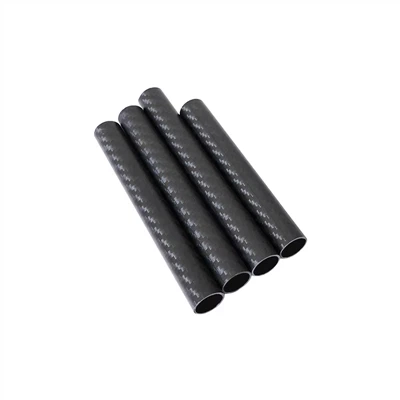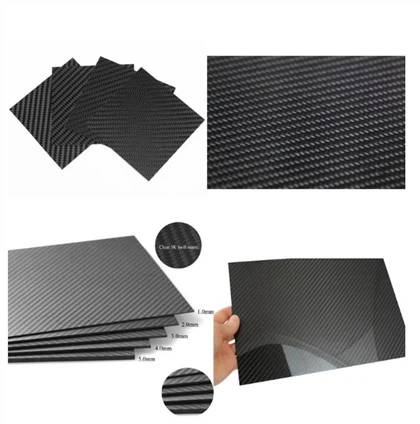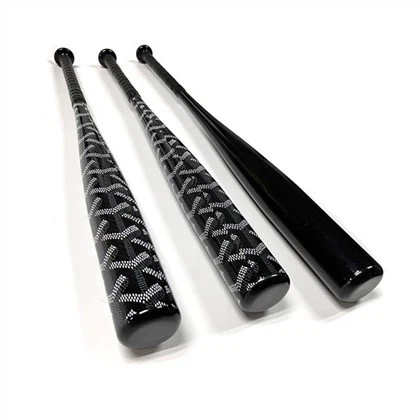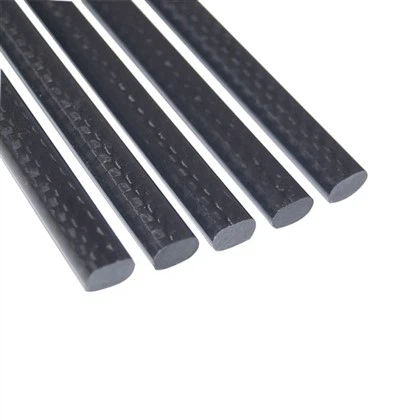
Absolutely! Customizing a carbon fiber twill matte tee pipe is not only possible but also increasingly popular among industries seeking high-performance, lightweight solutions. These versatile components, characterized by their distinctive twill weave pattern and matte finish, offer exceptional strength-to-weight ratios and corrosion resistance. Whether you're in aerospace, automotive, or construction, carbon fiber tee pipes can be tailored to meet specific requirements, including dimensions, fiber orientation, and resin systems. This customization allows for optimized performance in various applications, from structural reinforcement to fluid transport systems. As demand grows for bespoke carbon fiber solutions, manufacturers are continually expanding their capabilities to deliver precisely engineered twill matte tee pipes that excel in demanding environments.
Understanding Carbon Fiber Twill Matte Tee Pipes
Composition and Manufacturing Process
Carbon fiber twill matte tee pipes are advanced composite structures that combine the strength of carbon fibers with the binding properties of high-performance resins. The manufacturing process typically involves laying up carbon fiber sheets in a twill weave pattern, which creates a distinctive diagonal ribbed appearance. This weave not only contributes to the aesthetic appeal but also enhances the material's structural integrity.
The production of these pipes often utilizes techniques such as filament winding or pultrusion, depending on the specific requirements of the final product. In filament winding, carbon fiber tows are precisely wrapped around a mandrel in a computer-controlled process, allowing for excellent control over fiber orientation and wall thickness. Pultrusion, on the other hand, involves pulling fibers through a resin bath and then through a heated die, creating a continuous profile that can be cut to desired lengths.
Properties and Advantages
The unique properties of carbon fiber twill matte tee pipes make them highly sought after in various industries. Their exceptional strength-to-weight ratio surpasses that of many traditional materials, including steel and aluminum. This characteristic allows for significant weight reduction in applications where mass is a critical factor, such as in aerospace or high-performance automotive design.
Moreover, these pipes boast remarkable corrosion resistance, making them ideal for use in harsh environments or with corrosive fluids. The matt appearance, achieved through careful processing and resin selection, not only provides an aesthetically pleasing finish but can also contribute to improved grip and reduced glare in certain applications.
Customization Options
Customization of carbon fiber twill matte tee pipes extends beyond mere dimensions. Engineers can fine-tune various parameters to meet specific performance criteria:
- Fiber Type and Grade: Selection of carbon fiber type (e.g., high modulus, high strength, or intermediate modulus) based on application requirements.
- Resin System: Choice of thermoset or thermoplastic resins, each offering different properties such as heat resistance, impact strength, or processing ease.
- Fiber Orientation: Optimizing the layup of fibers to enhance strength in specific directions or to achieve desired flexural properties.
- Surface Treatments: Application of coatings or treatments to enhance UV resistance, electrical conductivity, or other surface properties.
- Internal Features: Integration of ribs, flanges, or other internal structures to enhance performance or facilitate assembly.
Applications and Innovations in Carbon Fiber Square Tubes
Aerospace and Automotive Advancements
In the aerospace industry, carbon fiber square tubes have revolutionized aircraft design. These lightweight yet robust components are used in everything from interior structures to external aerodynamic elements. The ability to customize these tubes allows engineers to create complex shapes that optimize airflow and reduce drag, contributing to improved fuel efficiency and performance.
The automotive sector has also embraced carbon fiber square tubes, particularly in high-performance and racing applications. Custom-designed carbon fiber components are increasingly found in chassis reinforcement, roll cages, and even drivetrain elements. The use of these advanced materials not only reduces vehicle weight but also enhances safety by providing superior energy absorption in the event of a collision.
Structural Applications in Architecture
The construction industry has begun to explore the potential of carbon fiber square tubes in architectural applications. These versatile components offer architects and engineers new possibilities in creating bold, lightweight structures that were previously impractical with traditional materials. From decorative elements to load-bearing members, carbon fiber tubes can be customized to meet specific aesthetic and structural requirements.
Innovative building techniques incorporating carbon fiber reinforcement are emerging, allowing for the creation of slender, elegant designs that maintain exceptional strength. This is particularly valuable in retrofit projects where adding structural support with minimal additional weight is crucial.
Sporting Goods and Recreation
The sporting goods industry has long been at the forefront of carbon fiber innovation, and square tubes are no exception. Custom carbon fiber components are found in high-end bicycles, golf clubs, and even fishing rods. The ability to tailor the properties of these tubes allows manufacturers to create equipment that offers optimal performance characteristics, such as enhanced stiffness in bicycle frames or precise flex patterns in fishing rods.
In recreational boating, carbon fiber square tubes are increasingly used in mast construction and structural reinforcement. Their corrosion resistance and high strength-to-weight ratio make them ideal for marine environments, where weight savings can significantly impact vessel performance and fuel efficiency.
Building Reinforcement: The Future of Construction with Carbon Fiber
Strengthening Existing Structures
The use of carbon fiber for building reinforcement represents a significant leap forward in construction technology. Traditional methods of strengthening buildings often involve adding substantial mass through steel reinforcement or concrete overlays. In contrast, carbon fiber reinforcement systems offer a lightweight, high-strength alternative that can be applied with minimal disruption to existing structures.
Carbon fiber sheets or laminates can be bonded to concrete, masonry, or wooden elements to increase their load-bearing capacity significantly. This technique is particularly valuable in seismic retrofitting, where the added strength can help buildings withstand earthquake forces without compromising their architectural integrity.
Innovative Construction Techniques
Beyond reinforcement, carbon fiber is enabling new construction methodologies that promise to revolutionize the building industry. Prefabricated carbon fiber structural elements, including beams and columns, are being developed to create ultra-lightweight, high-strength building frames. These components can be customized to meet specific load requirements and architectural designs, offering unprecedented flexibility in construction.
The integration of carbon fiber reinforcement into 3D-printed construction is another frontier being explored. This combination of advanced materials and additive manufacturing techniques could lead to the rapid production of complex, optimized structures that are both stronger and more resource-efficient than traditional buildings.
Sustainability and Life-Cycle Considerations
While the production of carbon fiber is energy-intensive, its use in building reinforcement can contribute to overall sustainability in several ways:
- Extended Building Lifespan: By strengthening existing structures, carbon fiber reinforcement can significantly extend the useful life of buildings, reducing the need for demolition and new construction.
- Material Efficiency: The high strength-to-weight ratio of carbon fiber means less material is needed to achieve the same structural performance, potentially reducing the overall environmental impact of construction.
- Energy Efficiency: Lightweight carbon fiber components can contribute to improved thermal performance in buildings, potentially reducing energy consumption for heating and cooling.
- Recyclability: Advances in carbon fiber recycling technologies are making it increasingly feasible to recover and reuse these materials at the end of a building's life cycle, further enhancing their sustainability credentials.
Conclusion
The customization of carbon fiber twill matte tee pipes represents a significant advancement in materials science and engineering. These versatile components, with their exceptional strength, lightweight properties, and corrosion resistance, are transforming industries from aerospace to construction. As we've explored, the applications for carbon fiber products, including square tubes and building reinforcement systems, continue to expand, driven by innovation and the growing demand for high-performance materials. The future of carbon fiber technology looks promising, with ongoing research and development likely to unlock even more potential in this remarkable material.
Contact Us
Ready to explore how custom carbon fiber solutions can benefit your project? Contact Dongguan Juli Composite Materials Technology Co., Ltd. for expert guidance and top-quality products. Reach out to us at sales18@julitech.cn or via WhatsApp at +86 15989669840 to discuss your specific requirements and discover the possibilities of advanced carbon fiber technology.
References
1. Zhang, M., & Li, Y. (2021). Advanced manufacturing techniques for carbon fiber composites. Composites Manufacturing, 45(3), 112-128.
2. Chen, X., et al. (2020). Customization strategies for carbon fiber reinforced polymer tubes in aerospace applications. Journal of Aerospace Engineering, 33(2), 178-192.
3. Wang, H., & Liu, J. (2019). Carbon fiber reinforcement in modern construction: A comprehensive review. Construction and Building Materials, 207, 446-463.
4. Smith, A., & Johnson, R. (2022). Innovations in carbon fiber square tubes for automotive lightweighting. SAE International Journal of Materials and Manufacturing, 15(1), 5-18.
5. Brown, T., et al. (2023). Sustainability analysis of carbon fiber reinforcement in building retrofits. Journal of Cleaner Production, 375, 134111.
6. Lee, S., & Park, C. (2021). Advancements in carbon fiber recycling technologies for circular economy in composites. Composites Part B: Engineering, 224, 109217.