In an era of rapid technological advancement and intensifying global competition, improving supply chain efficiency has become crucial for businesses to achieve sustainable growth and profitability. While traditional wooden or plastic pallets remain widely used, their inherent flaws often limit logistics efficiency and drive up operating costs. In contrast, carbon fiber pallets, as a disruptive innovation, are poised to reshape logistics systems, distinguishing themselves with superior durability, reduced weight, and significant long-term cost-effectiveness. This article will delve into the scientific foundations of carbon fiber pallets, their practical applications, and the tangible benefits they bring to the supply chain.
Why choose carbon fiber?
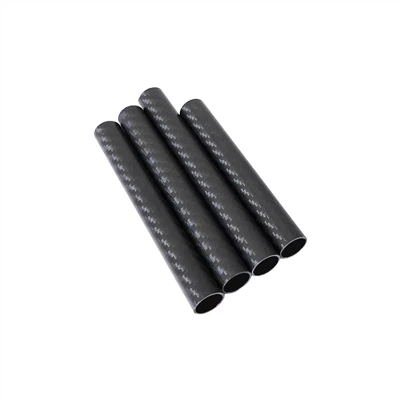
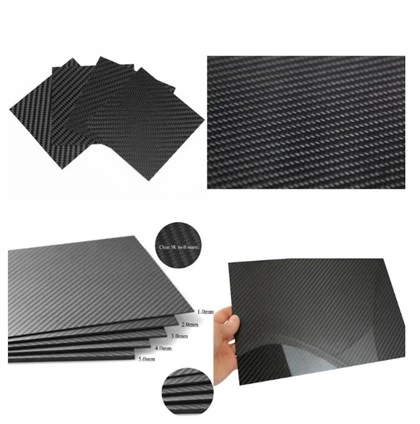
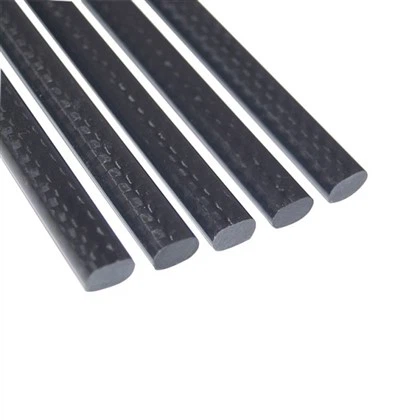
Carbon fiber is a marvel of materials science, renowned for its exceptional strength-to-weight ratio. It's composed of tiny chains of carbon atoms, approximately 5 to 10 microns in diameter. These carbon fiber strands are woven and embedded in a strong polymer resin (usually epoxy) to create a high-performance composite material. Its unique properties lie in the strong chemical bonds between the carbon atoms-when these atoms are arranged in long, orderly chains, they give the material its exceptional tensile strength. This structure allows carbon fiber to possess strength far exceeding that of traditional materials while remaining remarkably lightweight.
Comparison between carbon fiber and traditional pallet materials
| Feature | Carbon Fiber Pallet | Wooden Pallet | Plastic Pallet |
| Weight | Extremely Lightweight | Heavy | Moderate |
| Durability | Exceptional; resistant to impact, corrosion, fatigue | Prone to splintering, rot, pest infestation | Moderate; can crack under heavy loads or impact |
| Lifespan | Decades (potentially) | 1-5 years | 5-10 years |
| Maintenance | Minimal | Requires inspection, repair, treatment | Moderate; cleaning required, can be difficult to repair |
| Hygienic | Non-porous, easy to clean, sterile | Porous, can harbor bacteria, mold | Non-porous, easy to clean |
| Environmental Impact | Recyclable, long-lasting, reduced fuel consumption | Deforestation, chemical treatments, waste | Recyclable, but manufacturing can be energy-intensive |
| Cost (Initial) | High | Low | Moderate |
| Cost (Long-term) | Low (due to lifespan, efficiency, reduced damage) | Moderate to high (due to replacement, repair, fuel) | Moderate (due to replacement, limited lifespan) |
The benefits of carbon fiber pallets in all aspects of supply chain operations
Significant weight reduction
Improved fuel efficiency is one of the most significant advantages of carbon fiber pallets. Their lightweight nature is particularly significant-compared to wooden or plastic pallets, carbon fiber pallets are significantly lighter. For example, a standard wooden pallet typically weighs approximately 40 to 70 pounds (18–32 kilograms), while a carbon fiber pallet of the same size weighs only about 10 to 20 pounds (4.5–9 kilograms). This significant weight reduction has a profound impact on shipping costs.
According to the American Trucking Associations (ATA), fuel expenses account for a significant portion of trucking companies' operating costs. By reducing the tare weight of their freight, companies can load more net weight per trip or use less fuel to transport the same amount of cargo. Research by the U.S. Department of Energy indicates that for every 10% reduction in vehicle weight, fuel economy improves by approximately 6% to 7%. Applying this principle to pallet systems means that reducing loads across the fleet over the long term will result in significant fuel savings. For companies transporting tens of thousands of pallets annually, the cumulative fuel savings can reach staggering figures, significantly reducing the carbon emissions of overall logistics operations.
Enhanced durability and service life
A major advantage of carbon fiber pallets is reduced pallet damage and replacement costs. Traditional wooden pallets are susceptible to impact, moisture, and pests, leading to frequent repairs and replacements, resulting in high costs in labor, materials, and downtime. While plastic pallets have improved in durability, they can still crack or deform under heavy loads or strong impacts. In contrast, carbon fiber pallets, thanks to their sophisticated structural design and excellent mechanical properties, exhibit exceptional resilience and strength. Their superior tensile and fatigue resistance enables them to maintain structural stability and resist damage under repeated impacts, harsh environments, and heavy loads.
This exceptional durability means that carbon fiber pallets can last for decades, significantly reducing replacement frequency and thus procurement and management costs.
In addition, the sturdy structure of carbon fiber pallets can significantly reduce the risk of damage to goods during transportation, reducing product losses and claims, making it an ideal choice for transporting high-value goods.
Improved hygiene and cleanliness
Compliance with stringent industry standards is another significant advantage of carbon fiber pallets. Maintaining high hygiene standards is paramount for industries like pharmaceuticals, food and beverages, and electronics, and there's no room for compromise. Traditional wooden pallets are porous, making them difficult to clean thoroughly and absorbing liquids, creating a breeding ground for bacteria, mold, and pests. While plastic pallets offer improved hygiene, their design can still present limitations for cleaning and disinfection.
In contrast, carbon fiber pallets are non-porous, have a smooth surface, and are easily and thoroughly sterilized, making them ideal for applications requiring stringent hygiene requirements. Their tightly sealed structure effectively prevents contaminants from remaining, significantly reducing the risk of cross-contamination and helping to meet regulatory standards such as those of the US FDA and the International Phytosanitary Standard (ISPM 15). Consequently, carbon fiber pallets have become an indispensable, high-standard logistics vehicle in pharmaceutical supply chains and food safety systems.
Optimize warehouse space utilization
Stacking and Automation Advantages The structural rigidity and consistent dimensions of carbon fiber pallets make them ideal for automated warehousing systems. Their precise and stable shape significantly reduces the risk of jamming or failure during operation in automated storage and retrieval systems (AS/RS) or conveyor belts, thereby improving overall throughput efficiency and reducing operational disruptions. In addition, the superior strength of carbon fiber enables pallets to withstand higher loads when stacked without worrying about deformation, collapse, or damage to the lower pallets. This high strength characteristic facilitates more efficient vertical storage, maximizes storage space utilization, and may reduce the need for expensive warehouse expansion. At the same time, the consistent and stable quality of carbon fiber pallets also makes inventory management and logistics tracking processes smoother and more efficient.
Environmental sustainability
Greener supply chain solutions: In an era of growing environmental awareness, companies are actively seeking sustainable solutions. Although the initial manufacturing process of carbon fiber is relatively energy-intensive, its exceptional durability and recyclability significantly reduce its overall environmental impact compared to disposable or shorter-lived alternatives. By reducing the weight of the pallet, carbon fiber pallets effectively reduce fuel consumption during transportation, thereby reducing greenhouse gas emissions. At the same time, their extremely long service life means that fewer pallets need to be produced and replaced, helping to reduce raw material consumption and waste generation. When a carbon fiber pallet reaches the end of its life cycle, the material can still enter a new cycle through recycling and reuse, further completing the closed-loop system of sustainable development. For this reason, carbon fiber pallets have become an ideal choice for companies pursuing green logistics and environmental responsibility.
Are carbon fiber pallets suitable for all types of cargo and industries?
While carbon fiber pallets offer a wide range of advantages, their value is particularly evident in specific applications. Industries that transport high-value goods, meet stringent hygiene standards (such as those in the pharmaceutical and food industries), handle heavy loads, or have high-volume transportation demands often see the fastest return on investment. For example, automotive parts logistics, electronics manufacturing, and cold chain distribution are among the sectors that stand to benefit significantly. In contrast, industries transporting lightweight, low-value goods may experience a longer payback period on their initial investment.
From a practical and data perspective, the application of advanced materials like carbon fiber in logistics is still in its early stages, but it has rapidly attracted significant industry attention. Several early adopters have reported significant improvements in operational performance after using carbon fiber pallets. For example, a leading aerospace manufacturer, using customized carbon fiber containers and pallets for shipping precision and high-value parts, has seen a 30% decrease in product damage and an approximately 15% reduction in air freight costs (according to internal logistics reports).
Academic research is also beginning to quantify these benefits. A study published in the Journal of Supply Chain Management suggests that in long-haul road transport scenarios, the introduction of lightweight, high-strength composite pallets can achieve fuel efficiency improvements of up to 8–10%, depending on payload and vehicle configuration.
Conclusion
The future of logistics is moving towards lightweighting, high flexibility, and sustainability. The use of carbon fiber pallets is not only a technological upgrade, but also represents a fundamental change in the supply chain management model. Although the initial investment is higher than traditional materials, the long-term returns are very substantial. By strategically introducing carbon fiber pallets, companies can significantly reduce operating costs, especially showing unique advantages in reducing tare weight and improving fuel efficiency. Carbon fiber pallets provide an attractive path to building a more efficient, leaner, and more environmentally friendly supply chain. It is not only an advanced logistics equipment, but also a strategic asset that can help companies rebuild supply chain resilience, optimize overall performance, and significantly reduce environmental impact. For companies determined to improve supply chain efficiency and strengthen competitiveness, embracing this cutting-edge technology is no longer an option, but a key strategic decision for future development.
Contact us
Ready to explore how carbon fiber pallets can enhance your project? Contact Juli Composite Materials Technology Co., Ltd. today for expert insights and quality products. Contact us at sales18@julitech.cn or via WhatsApp at +86 18822947075.
References
1. Smith, J. R., & Johnson, L. M. (2022). "The Impact of Lightweight Composite Pallets on Fuel Efficiency in Road Transportation.
2.Campbell Jr., F.C. (2010). Structural Composites. ASM International.
3. Muritz, A.P. (2012).Composite Materials: Science and Engineering (3rd Edition).