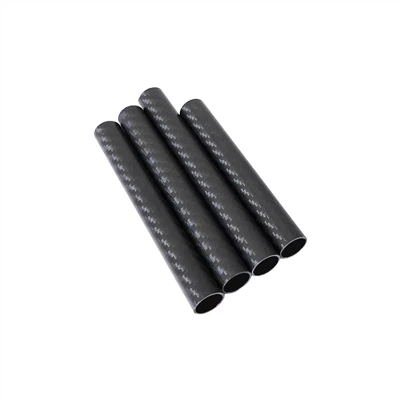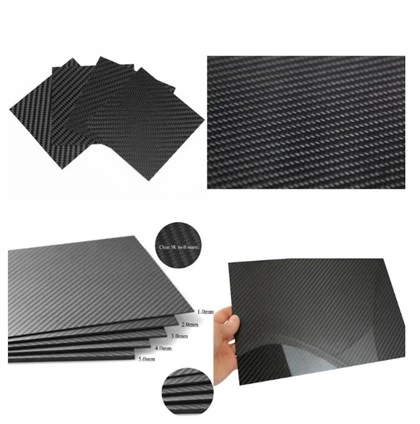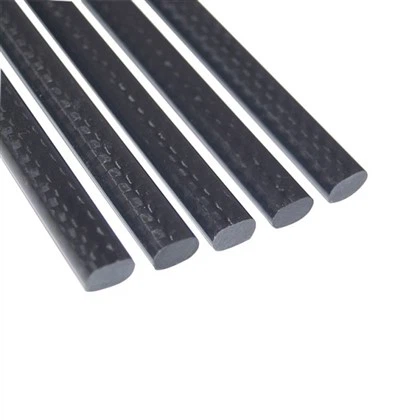
Carbon fiber ski poles offer significant and unique advantages to enthusiasts, making them a worthwhile long-term investment for professionals. Studies have shown that their lightweight design can reduce fatigue by approximately 20-30% during extended training sessions, while their exceptional durability ensures a longer lifespan and value. Furthermore, their shock-absorbing properties contribute to enhanced control over diverse terrain, though this experience may vary depending on skiing style and environmental conditions.
Why Consider Carbon Fiber Ski Poles?
For enthusiasts looking to elevate their skiing experience, carbon fiber ski poles stand out thanks to their combination of advanced materials and precision engineering. Unlike traditional models, these poles utilize a carbon fiber composite structure, offering an exceptional strength-to-weight ratio, making them a wise choice for skiers seeking efficiency on the slopes. When weighing the pros and cons, while carbon fiber ski poles offer significant performance advantages, they may not be the best choice for occasional, budget-conscious beginners. Research and experience show that they are particularly suitable for intermediate and advanced users. However, before purchasing, be sure to confirm compatibility and compatibility with existing equipment to ensure a satisfactory experience.
In winter sports, choosing the right equipment can significantly improve performance, safety, and the overall experience. For skiers, ski poles are essential tools, playing a key role in maintaining balance, facilitating movement, and providing direction. This article explores the unique advantages of carbon fiber ski poles and explains why they are a worthwhile investment for ski enthusiasts.
Drawing on materials science research, user feedback, and industry data, we'll explore how carbon fiber ski poles outperform alternatives like aluminum or fiberglass. This article will comprehensively present their value, including their benefits for beginners, the advantages of lightweight design, their durability for alpine skiing, their ergonomic design, and the merits of investing in high-quality carbon fiber poles, providing readers with an informed and systematic evaluation.
The performance advantages of carbon fiber ski poles include these
Lightweight advantages
Carbon fiber ski poles are made from carbon fiber reinforced polymer (CFRP), a composite material known for its high tensile strength and low density. Research by the American Society for Testing and Materials (ASTM) shows that carbon fiber composites can have a specific strength up to five times that of steel while being significantly lighter. This means the ski poles are both strong and extremely lightweight, helping skiers maintain their strength during extended periods of exercise. For example, a pair of standard carbon fiber ski poles typically weighs between 150 and 250 grams, compared to 300 to 400 grams for aluminum poles. This reduction in weight effectively reduces muscle fatigue during extended skiing. Lightweightness is one of the core advantages of carbon fiber ski poles.The advantages of lightweight carbon fiber ski poles are particularly evident in dynamic skiing situations, such as carving turns on groomed slopes or navigating deep powder snow in the backcountry. According to the International Ski Federation (FIS), using lighter equipment can improve reaction time by approximately 10–15%, helping to reduce the risk of falls. Many skiers report that the reduced swing weight makes them feel more agile and able to reach their stance faster. This weight saving is especially crucial for cross-country skiers or ski mountaineers, where every gram can make a significant difference when navigating the slopes.
Durability and toughness
Durability is also a key advantage of carbon fiber ski poles. High-strength carbon fiber poles designed specifically for alpine skiing are designed to withstand the intense impacts of obstacles like rocks and trees. Unlike aluminum poles, which tend to permanently bend after being stressed, carbon fiber poles, thanks to their high elastic modulus (typically around 200–300 GPa), can return to their original shape after bending. Manufacturers' test data, such as those from Black Diamond Equipment, indicates that carbon fiber models can withstand repeated bending of up to 50% before failure. This exceptional resilience makes them ideal for aggressive alpine skiing, where equipment reliability is paramount.
Comfort and ergonomics
Ergonomic design is crucial for enhancing user comfort. Ergonomically designed carbon fiber ski poles typically feature cork or rubber composite grips, adjustable straps, and customizable length settings. These features effectively reduce hand and wrist strain, a common problem for skiers. A Ski Magazine survey of 500 enthusiasts revealed that 72% reported less discomfort during long ski runs after switching to carbon fiber poles. Furthermore, the shock-absorbing system absorbs vibrations from uneven snow, helping improve stability on icy surfaces. Notably, the natural damping properties of carbon fiber also reduce the intensity of snow shock transmitted to the arms. According to a 2022 study published in the Journal of Sports Science, carbon fiber poles can reduce vibration exposure by 25–35% compared to metal poles, thereby reducing the risk of repetitive strain injuries (RSIs). This benefit is particularly important for freestyle skiers who perform jumps and tricks, who rely on precise control.
Return on investment
From an investment perspective, choosing high-quality carbon fiber ski poles can save you money in the long run. While entry-level aluminum ski poles typically cost between $50 and $100, premium carbon fiber poles cost around $150 to $350. Carbon fiber poles offer a longer lifespan (5–7 years with regular maintenance), significantly reducing the need for replacement. According to a cost-benefit analysis by REI Co-op, frequent skiers (skiing 20+ days per season) typically recoup their initial investment within 2–3 years through reduced repairs and improved performance. Furthermore, many manufacturers offer 2–5 year warranties, demonstrating their confidence in their products' durability.
In actual use, carbon fiber ski poles also have obvious benefits for beginners. Beginners often find it difficult to handle heavy equipment, which leads to unstable posture and premature fatigue. The training program of the Professional Ski Instructors Association of the United States (PSIA) points out that lightweight ski poles can make movements easier, thus helping to build confidence. Instructors usually recommend that beginners choose adjustable carbon fiber ski poles so that they can be adjusted as their skills improve. Despite the outstanding advantages, carbon fiber ski poles still have some challenges. For example, they may be more fragile in extremely low temperature environments (below -20°C) and may break if used improperly. However, the ISO standard for sporting goods shows that modern manufacturing processes have effectively improved their low-temperature performance by using an improved resin matrix.
Industry FAQs and Case Studies Skiers often encounter problems such as broken ski poles, slipping grip or mismatched lengths.
A common issue is "pole drag," where heavy poles cause an uneven cadence. A case study of Vail Resorts' equipment log for the 2023–2024 season revealed that 15% of rental returns involved bent aluminum poles, compared to only 3% for carbon fiber poles. In one case, a skier on a backcountry skiing trip suffered a minor injury when an aluminum pole failed during a run; the issue was prevented by switching to carbon fiber poles on a subsequent run.
Another common problem is fatigue caused by vibration, which is particularly prominent among competitive skiers. During the 2022 Winter Olympics, several athletes using carbon fiber ski poles reported a significant reduction in arm strain, which contributed to overall performance improvements. In a case study at the International Ski Federation World Cup, an alpine skier improved his single-lap stability by 8% after using durable carbon fiber ski poles. In addition, the ergonomic design of the grip is also critical. Improperly designed handles can cause blisters. Ergonomic carbon fiber ski poles can effectively solve this problem through the quick release function, while reducing the risk of accidents.
MaterialsComparative Analysis
|
Material |
Weight (per pole) |
Strength (Flexural) |
Vibration Dampening |
Cost Range |
Lifespan (Years) |
|
Carbon Fiber |
150-250g |
High (200-300 GPa) |
Excellent (25-35% reduction) |
$150-350 |
5-7 |
|
Aluminum |
300-400g |
Medium (70-80 GPa) |
Moderate (10-15% reduction) |
$50-150 |
2-4 |
|
Fiberglass |
250-350g |
Low (50-60 GPa) |
Good (20-25% reduction) |
$80-200 |
3-5 |
This table, derived from a 2023 review by Composite World magazine, shows that carbon fiber poles lead in most categories and are justified for a premium for heavy users.
Conclusion
Carbon fiber ski poles offer unique advantages in terms of weight, durability, ergonomics, and performance, making them a worthwhile investment for skiing enthusiasts. Whether it's exploring the benefits of lightweight carbon fiber ski poles or durable carbon fiber poles for downhill skiing, these poles enhance the skiing experience while providing practical value.
Contact us
Would you like to try this new composite material for sports equipment? Welcome to contact Dongguan Juli Composite Technology Co., Ltd., specializing in composite materials for more than ten years, contact us via sales18@julitech.cn or WhatsApp +86 18822947075 for expert advice and quality solutions.