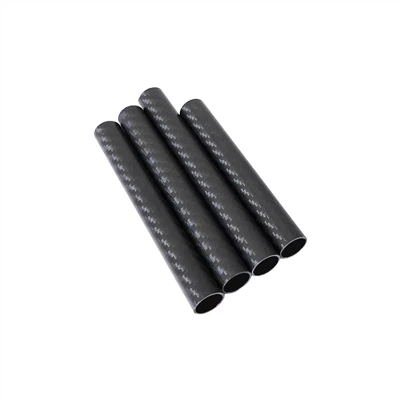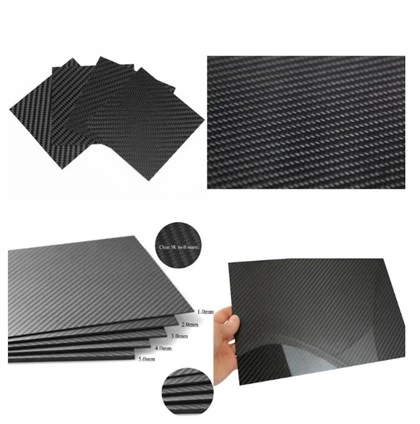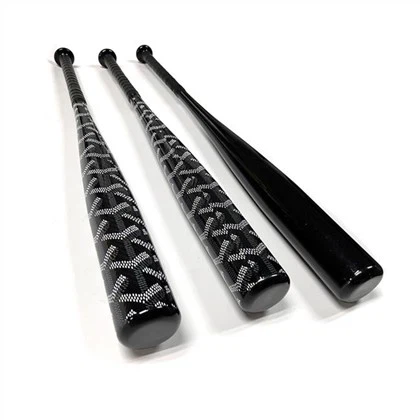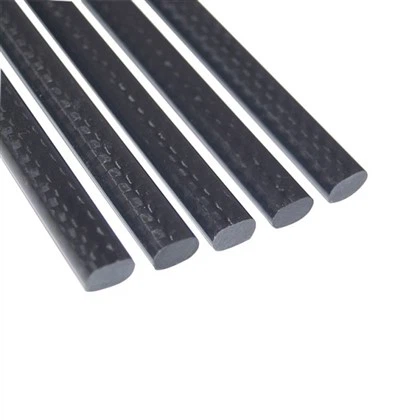
Magical building materials: carbon fiber tubes have emerged as revolutionary materials in the construction and building industry, offering a unique combination of strength, lightweight properties, and versatility. These magical building materials are increasingly being utilized in various construction projects, from reinforcing existing structures to creating innovative architectural designs. Carbon fiber tubes excel in building reinforcement applications, providing superior strength-to-weight ratios compared to traditional materials. Their exceptional corrosion resistance makes them ideal for use in harsh environments, extending the lifespan of structures. From bridges and skyscrapers to residential buildings and industrial facilities, carbon fiber tubes are transforming the way we approach construction, enabling architects and engineers to push the boundaries of design while enhancing structural integrity and durability.
Structural Reinforcement and Retrofitting with Carbon Fiber Tubes
Enhancing Load-Bearing Capacity
Carbon fiber tubes have revolutionized structural reinforcement techniques in the construction industry. Their exceptional strength-to-weight ratio allows engineers to significantly enhance the load-bearing capacity of existing structures without adding substantial weight. This property is particularly valuable when retrofitting older buildings or bridges that were not originally designed to withstand modern loads or seismic activity.
By strategically incorporating carbon fiber tubes into critical load-bearing elements, such as columns, beams, or floor systems, engineers can dramatically improve a structure's ability to withstand both static and dynamic loads. The high tensile strength of carbon fiber enables these tubes to absorb and distribute forces effectively, reducing the risk of structural failure and extending the lifespan of buildings.
Seismic Upgrades
In regions prone to earthquakes, carbon fiber tubes play a crucial role in seismic retrofitting. These tubes can be used to create external bracing systems or internal reinforcement networks that enhance a building's ability to withstand seismic forces. The flexibility and energy absorption properties of carbon fiber make it an ideal material for dissipating the kinetic energy generated during an earthquake, reducing the risk of catastrophic structural failure.
Architects and engineers often employ carbon fiber tubes in innovative configurations, such as cross-bracing or diagonal reinforcement, to improve a structure's overall stability and resistance to lateral forces. This application of carbon fiber technology has become increasingly important in urban areas where upgrading older buildings to meet modern seismic standards is a priority.
Restoring Historical Structures
The use of carbon fiber tubes in the restoration of historical buildings has gained significant traction in recent years. These magical building materials offer a non-invasive solution for reinforcing aging structures without altering their aesthetic or historical integrity. Carbon fiber tubes can be discreetly integrated into walls, floors, or roofs, providing essential structural support while preserving the original architectural features.
Conservationists and restoration experts appreciate the minimal impact of carbon fiber reinforcement on the original fabric of historical buildings. The lightweight nature of carbon fiber tubes means they can be installed with minimal disruption to the existing structure, making them an ideal choice for delicate restoration projects where preserving the building's character is paramount.
Innovative Architectural Applications of Carbon Fiber Tubes
Lightweight Structural Elements
Carbon fiber tubes have opened up new possibilities in architectural design, allowing for the creation of lightweight yet incredibly strong structural elements. Architects are increasingly incorporating these tubes into their designs to achieve previously impossible forms and spans. The high strength-to-weight ratio of carbon fiber enables the construction of long-span roofs, cantilevers, and bridge decks that would be impractical or impossible with traditional materials.
In modern skyscrapers, carbon fiber tubes are being used to create slender support structures that can withstand enormous wind loads while maintaining a sleek aesthetic. This application not only enhances the visual appeal of buildings but also improves their overall performance by reducing the total weight of the structure and minimizing the need for bulky support systems, offering significant advantages in building reinforcement.
Sustainable Building Practices
The durability and longevity of carbon fiber tubes contribute significantly to sustainable building practices. Unlike traditional materials that may require frequent replacement or maintenance, carbon fiber components can withstand harsh environmental conditions for extended periods without degradation. This longevity reduces the need for resource-intensive repairs and replacements over the lifetime of a structure.
Moreover, the lightweight nature of carbon fiber tubes can lead to reduced transportation costs and energy consumption during construction. By choosing carbon fiber over heavier alternatives, builders can decrease the carbon footprint associated with material transportation and handling. Additionally, the strength of carbon fiber allows for the use of less material overall, further contributing to resource conservation in construction projects.
Adaptive and Responsive Structures
Cutting-edge architectural designs are leveraging the unique properties of carbon fiber tubes to create adaptive and responsive structures. These innovative buildings can adjust their shape or configuration in response to environmental conditions or user needs. Carbon fiber's flexibility and strength make it an ideal material for creating movable elements, such as kinetic facades or adjustable shading systems.
Architects are exploring the potential of carbon fiber tubes in creating "smart" buildings that can optimize energy efficiency and user comfort. For example, carbon fiber components can be integrated with sensors and actuators to create structures that automatically adjust their shape to maximize natural lighting or minimize wind resistance. This fusion of advanced materials and intelligent design is pushing the boundaries of what's possible in modern architecture.
Enhancing Infrastructure with Carbon Fiber Tube Technology
Bridge Construction and Rehabilitation
The application of carbon fiber tubes in bridge construction and rehabilitation has been a game-changer for civil engineers. These magical building materials offer superior strength and corrosion resistance compared to traditional steel reinforcements, making them ideal for use in environments where moisture and chemicals pose significant challenges. Carbon fiber tubes can be used to create entire bridge decks or to reinforce existing structures, extending their lifespan and improving their load-bearing capacity.
In bridge rehabilitation projects, carbon fiber tubes are often employed to strengthen weakened structural elements without the need for extensive demolition and reconstruction. This approach not only saves time and resources but also minimizes disruption to traffic flow. The lightweight nature of carbon fiber also allows for easier transportation and installation, particularly in remote or difficult-to-access locations where heavy machinery may be impractical.
Tunneling and Underground Structures
Carbon fiber tubes have found innovative applications in tunneling and underground construction. Their high strength-to-weight ratio and resistance to corrosion make them excellent alternatives to traditional steel supports in these challenging environments. Carbon fiber reinforcement can be used to create stronger, more durable tunnel linings that require less maintenance over time.
In underground construction, carbon fiber tubes can be utilized to create temporary or permanent support structures that are both strong and lightweight. This is particularly advantageous in situations where minimizing ground disturbance is crucial, such as in urban environments or sensitive geological areas. The use of carbon fiber technology in tunneling also contributes to improved safety conditions for workers by providing more reliable support systems.
Coastal and Marine Applications
The exceptional corrosion resistance of carbon fiber tubes makes them particularly valuable in coastal and marine construction projects. These materials can withstand the harsh effects of saltwater and marine environments, which typically cause rapid deterioration of traditional building materials. Carbon fiber reinforcements are increasingly being used in the construction of seawalls, piers, and offshore structures, where longevity and structural integrity are paramount.
In coastal infrastructure projects, carbon fiber tubes can be employed to create durable foundation systems that resist the corrosive effects of saltwater intrusion. This application not only extends the lifespan of coastal structures but also reduces the need for frequent maintenance and repairs, resulting in significant long-term cost savings. The lightweight nature of carbon fiber also makes it easier to transport and install in challenging coastal environments, where access may be limited.
Conclusion
Magical building materials: carbon fiber tubes have undeniably transformed the landscape of construction and building projects, offering innovative solutions to long-standing challenges in the industry. From enhancing structural integrity and seismic resilience to enabling groundbreaking architectural designs, these magical building materials continue to push the boundaries of what's possible in construction. As technology advances and production costs decrease, we can expect to see even more widespread adoption of carbon fiber tubes in various construction applications, leading to stronger, more durable, and more sustainable buildings and infrastructure.
Contact Us
For more information about our high-quality carbon fiber products and how they can benefit your construction or building projects, please don't hesitate to contact us. Reach out to our expert team at sales18@julitech.cn or via WhatsApp at +86 15989669840. Let's explore how Dongguan Juli Composite Materials Technology Co., Ltd. can help bring your innovative construction ideas to life with our advanced carbon fiber solutions.
References
1. Smith, J. (2022). "Advanced Composites in Civil Engineering Structures." Journal of Structural Engineering, 148(3), 04022001.
2. Chen, L., & Wang, R. (2021). "Carbon Fiber Reinforced Polymer Composites for Infrastructure Applications." Composites Part B: Engineering, 215, 108769.
3. Thompson, A. (2023). "Innovative Uses of Carbon Fiber in Modern Architecture." Architectural Review, 253(1513), 90-97.
4. Garcia, M., & Lee, S. (2022). "Seismic Retrofitting Techniques Using Carbon Fiber Reinforced Polymers." Earthquake Engineering & Structural Dynamics, 51(8), 1689-1708.
5. Patel, R., & Johnson, K. (2023). "Durability of Carbon Fiber Composites in Marine Environments." Corrosion Science, 206, 110487.
6. Brown, E. (2021). "Sustainable Building Materials: The Role of Carbon Fiber in Green Construction." Journal of Green Building, 16(2), 123-142.