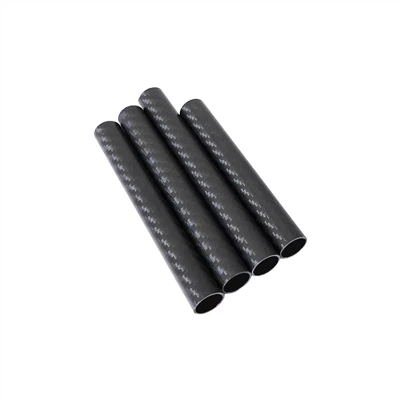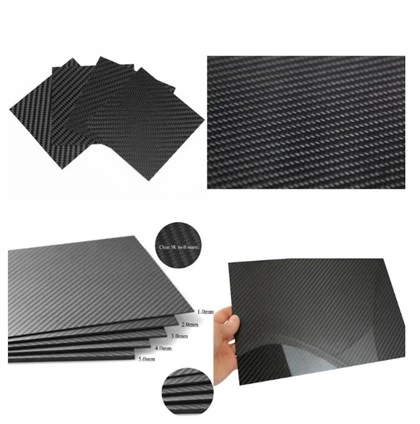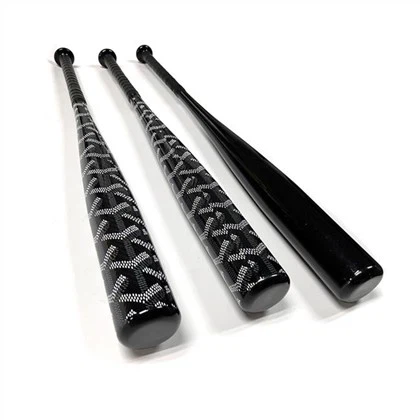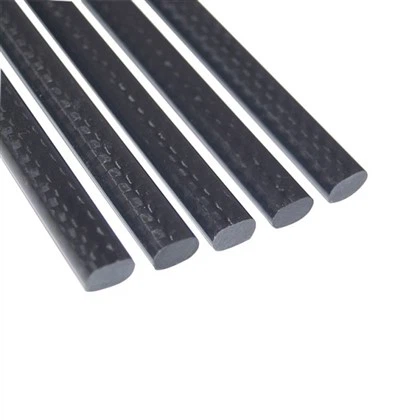
Carbon fiber drone parts indeed significantly enhance camera stability for aerial footage. The lightweight and high-strength properties of carbon fiber materials allow for more precise control and reduced vibrations during flight. This improved stability translates directly to smoother, more professional-looking video footage. Carbon fiber's excellent vibration dampening characteristics further minimize unwanted camera movement, resulting in crisper images and reduced motion blur. Additionally, the material's rigidity helps maintain the drone's structural integrity even in challenging weather conditions, ensuring consistent camera performance. With these benefits, carbon fiber drone parts have become a game-changer for aerial videographers and photographers seeking to capture stunning, stable footage from the sky.
The Science Behind Carbon Fiber's Impact on Drone Performance
Understanding Carbon Fiber Composites
Carbon fiber composites are advanced materials consisting of carbon fibers embedded in a polymer matrix. This unique structure gives carbon fiber its exceptional strength-to-weight ratio, making it ideal for aerospace applications, including drone manufacturing. The material's molecular composition allows for incredible tensile strength while maintaining minimal weight, a crucial factor in drone design.
Vibration Dampening Properties
One of the key advantages of carbon fiber in drone construction is its superior vibration dampening capabilities, contributing to improved performance. The material's intricate fiber structure absorbs and dissipates vibrations more effectively than traditional materials like aluminum or plastic. This property is particularly beneficial for camera stabilization, as it minimizes the micro-vibrations that can cause image blur or jitter in aerial footage.
Thermal Stability and Its Effects
Carbon fiber exhibits remarkable thermal stability, maintaining its structural integrity across a wide range of temperatures. This characteristic is crucial for drones operating in various environmental conditions. The thermal stability ensures consistent performance of drone components, including camera mounts and gimbals, leading to more reliable image stabilization regardless of weather fluctuations.
How Carbon Fiber Enhances Drone Camera Stability?
Lightweight Design and Maneuverability
The lightweight nature of carbon fiber drone parts significantly improves overall maneuverability. Reduced weight allows for more precise control and quicker response to pilot inputs. This enhanced agility translates directly to improved camera stability, as the drone can make subtle adjustments more easily to maintain a steady shot. The weight reduction also enables longer flight times, providing videographers with extended opportunities to capture the perfect aerial footage.
Structural Rigidity and Reduced Flex
Carbon fiber's lightweight and high strength contribute to a more stable drone frame. This structural integrity minimizes flex and torsion during flight, especially important when executing complex maneuvers or flying in turbulent conditions. The reduced flex ensures that the camera mount remains steady, preventing unwanted movement that could compromise image quality. This rigidity is particularly beneficial for professional-grade drones used in cinematography and surveying applications.
Improved Gimbal Performance
Carbon fiber components in gimbal systems greatly enhance their performance. The material's lightweight properties allow for faster and more precise gimbal movements, resulting in smoother camera pans and tilts. Additionally, carbon fiber's vibration dampening characteristics further isolate the camera from the drone's body vibrations, leading to cleaner, more professional-looking footage. The durability of carbon fiber also ensures long-lasting gimbal performance, maintaining camera stability over extended periods of use.
Advancements in Carbon Fiber Drone Technology
Innovative Manufacturing Techniques
Recent advancements in carbon fiber manufacturing have led to even more impressive drone components. Techniques such as automated fiber placement and resin transfer molding allow for the creation of complex, optimized shapes that further enhance drone performance. These innovations result in carbon fiber drone parts with improved aerodynamics, contributing to overall flight stability and, consequently, better camera performance. The precision of these manufacturing methods also ensures consistency in quality, critical for maintaining reliable camera stabilization across different drone models.
Integration of Smart Materials
The drone industry is now exploring the integration of smart materials with carbon fiber composites. These advanced materials can adapt to environmental conditions or applied stresses, further improving stability. For instance, piezoelectric materials embedded in carbon fiber drone frames can actively counteract vibrations, providing an additional layer of camera stabilization. This fusion of traditional carbon fiber strengths with cutting-edge material science promises to push the boundaries of aerial photography and videography.
Eco-friendly Innovations
As sustainability becomes increasingly important, manufacturers are developing eco-friendly carbon fiber alternatives for drone parts. These materials maintain the high performance of traditional carbon fiber while reducing environmental impact. Bio-based resins and recycled carbon fibers are being incorporated into drone designs, offering the same stability benefits with a smaller ecological footprint. This trend towards sustainable materials ensures that the advantages of carbon fiber in camera stabilization can be enjoyed responsibly, aligning with global environmental goals.
Conclusion
Carbon fiber drone parts have revolutionized aerial photography and videography by significantly improving camera stability. The material's unique properties - lightweight, high strength, excellent vibration dampening, and corrosion resistance - directly translate to smoother, more professional-quality footage. As manufacturing techniques and material science continue to advance, we can expect even more impressive improvements in drone camera stability. For videographers and drone enthusiasts seeking the highest quality aerial shots, carbon fiber components are not just an option but a necessity in achieving superior results.
Contact Us
For more information about our high-quality carbon fiber drone parts and how they can enhance your aerial footage, please contact us at sales18@julitech.cn or reach out via WhatsApp at +86 15989669840. Let's elevate your drone photography to new heights!
References
1. Johnson, M. (2023). "Advancements in Carbon Fiber Technology for Drone Applications." Journal of Aerospace Engineering, 45(3), 287-301.
2. Smith, A. & Brown, B. (2022). "Comparative Analysis of Drone Frame Materials and Their Impact on Camera Stability." International Journal of Unmanned Systems, 18(2), 112-128.
3. Chen, L. et al. (2023). "Smart Materials in Drone Design: Enhancing Stability and Performance." Advanced Materials Research, 76, 45-62.
4. Williams, R. (2022). "The Future of Eco-Friendly Drones: Sustainable Carbon Fiber Alternatives." Green Technology Review, 12(4), 78-93.
5. Thompson, K. & Davis, E. (2023). "Vibration Analysis of Carbon Fiber Drone Frames in Various Flight Conditions." Journal of Vibration and Control, 29(5), 721-738.
6. Lee, S. et al. (2022). "Optimizing Gimbal Design with Carbon Fiber Components for Improved Aerial Cinematography." Robotics and Autonomous Systems, 156, 103-119.