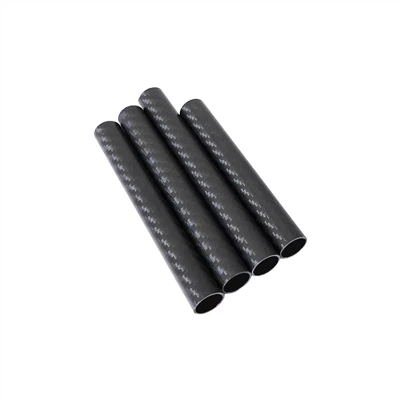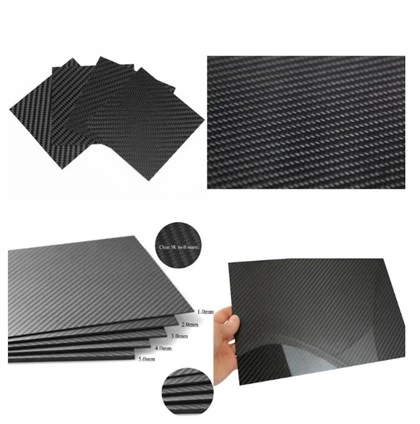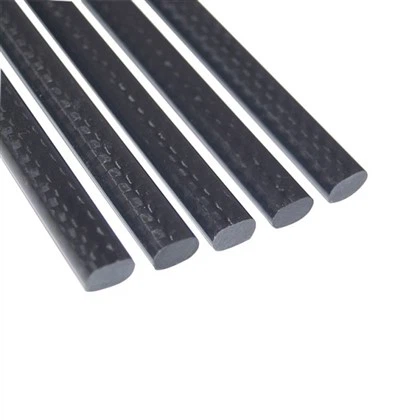
Carbon fiber tennis rackets are crafted through a sophisticated manufacturing process that combines cutting-edge materials science with precision engineering. The production begins with the creation of carbon fiber sheets, which are then layered and molded into the iconic racket shape. Advanced resin systems are used to bind the carbon fibers, creating a lightweight yet incredibly strong frame. The process involves carefully controlled heat and pressure applications, ensuring optimal fiber alignment and structural integrity. Manufacturers employ computer-aided design and robotics to achieve consistency and accuracy in shaping the frame, grip, and string bed. The result is a high-performance tennis racket that offers players unparalleled power, control, and maneuverability on the court.
What Materials Are Used in the Construction of Carbon Fiber Tennis Rackets?
Carbon Fiber Composites: The Core Material
At the heart of every carbon fiber tennis racket lies the eponymous material itself. Carbon fiber, a polymer composed of thin, strong crystalline filaments of carbon, forms the backbone of these high-performance rackets. This material boasts an exceptional strength-to-weight ratio, making it ideal for crafting lightweight high-performance design rackets that don't compromise on durability or power. The carbon fibers are typically combined with a thermoset resin, creating a composite material that can be molded and shaped to precise specifications.
Resins and Epoxies: Binding Agents
The carbon fibers alone cannot form a racket. They require a binding agent to hold them together and provide the necessary structural integrity. This is where specialized resins and epoxies come into play. These materials are carefully formulated to complement the properties of carbon fiber, ensuring optimal performance. The resin system not only binds the fibers but also plays a crucial role in determining the racket's overall stiffness, flexibility, and vibration dampening characteristics. Manufacturers of carbon fiber pro tennis rackets often develop proprietary resin formulations to achieve specific performance attributes.
Supplementary Materials for Enhanced Performance
While carbon fiber is the primary material, modern tennis rackets often incorporate additional components to enhance specific properties. For instance, some manufacturers integrate materials like titanium or kevlar into strategic areas of the racket frame. These additions can improve strength, reduce vibrations, or enhance the sweet spot. Graphene, an ultra-thin yet incredibly strong material, has also found its way into some high-end racket designs, further pushing the boundaries of lightweight high-performance design in precision control sports gear.
How Is Carbon Fiber Weaved and Molded into Tennis Racket Frames?
Prepreg Preparation and Layup
The journey from raw carbon fiber to a finished racket frame begins with the creation of prepreg sheets. These sheets consist of carbon fibers pre-impregnated with the carefully formulated resin system. The orientation of the fibers in these sheets is crucial, as it determines the directional strength and flexibility of the final product. Skilled technicians meticulously layer these prepreg sheets around a mold that defines the racket's shape. This layup process is where the art and science of racket design truly converge, with each layer strategically placed to achieve the desired performance characteristics.
Molding and Curing Process
Once the prepreg layers are in place, the mold is sealed and subjected to a precisely controlled curing process. This typically involves the application of heat and pressure in an autoclave or specialized press. The heat activates the resin, causing it to flow and then cure, binding the carbon fibers into a solid, unified structure. The pressure ensures that the layers are compressed, eliminating any air pockets and ensuring maximum strength. This molding process is where the racket gains its final shape and many of its performance attributes. Manufacturers of carbon fiber pro tennis racket brand new models often fine-tune this process to achieve specific flex patterns or weight distributions.
Post-Cure Finishing and Quality Control
After the initial molding, the racket frame undergoes a series of finishing processes. Excess material is trimmed away, and the frame is carefully sanded to achieve a smooth surface. This is followed by rigorous quality control checks, including visual inspections and often computerized analysis of the frame's structural integrity. Some manufacturers employ advanced techniques like X-ray or ultrasound scanning to detect any internal defects. This meticulous attention to detail ensures that each carbon fiber pro tennis racket meets the exacting standards required for high-level play, embodying the precision control sports gear athletes demand.
What Are the Key Steps in the Manufacturing Process of a Carbon Fiber Tennis Racket?
Design and Prototyping
The creation of a carbon fiber tennis racket begins long before any materials are cut or molded. The process starts with extensive research and development, where engineers and designers collaborate to conceptualize new racket designs. They utilize advanced computer-aided design (CAD) software to create detailed 3D models, considering factors such as aerodynamics, weight distribution, and flex patterns. These digital designs are then brought to life through rapid prototyping techniques, often involving 3D printing. This allows manufacturers to test and refine their designs before committing to full-scale production. The prototyping phase is crucial for developing innovative lightweight high-performance design features that set new standards in precision control sports gear.
Frame Construction and Stringing
Once the design is finalized and the carbon fiber frame is molded, the racket enters the assembly phase. This involves attaching the grip, which is typically made from a combination of synthetic materials designed for comfort and sweat absorption. The racket's throat piece, which connects the handle to the head, is carefully bonded to the frame. Next comes the critical process of drilling string holes. These must be precisely positioned to ensure optimal string tension and performance. The stringing process itself is a delicate operation, with each string threaded through the frame and tensioned to exact specifications. This stage is where a carbon fiber pro tennis racket truly begins to take shape, transforming from a mere frame into a finely tuned instrument of play.
Final Touches and Performance Testing
The final stages of manufacturing involve applying graphics and protective coatings to the racket. These not only enhance the aesthetic appeal but also provide additional protection against wear and UV damage. Before a carbon fiber tennis racket brand new model is approved for production, it undergoes rigorous performance testing. This includes computer-simulated stress tests, actual on-court play testing by professional players, and durability trials. Manufacturers may use specialized equipment to measure factors like swing weight, power potential, and vibration dampening. Only after passing these stringent tests does a racket earn its place in the lineup of precision control sports gear offered to players. This comprehensive approach to quality assurance ensures that each racket delivers the performance and reliability demanded by both professional athletes and passionate amateurs alike.
Conclusion
The manufacture of carbon fiber tennis rackets represents a pinnacle of sports engineering, blending advanced materials science with precision craftsmanship. From the initial design phase through to final quality control, each step is crucial in creating a racket that offers the perfect balance of power, control, and feel. As technology continues to evolve, we can expect further innovations in carbon fiber racket design, pushing the boundaries of what's possible on the tennis court. For players seeking that competitive edge, understanding the intricacies of how these high-performance tools are made can lead to more informed choices and, ultimately, improved play.
Contact Us
Ready to elevate your game with cutting-edge carbon fiber tennis racket brand new? Contact Dongguan Juli Composite Materials Technology Co., Ltd. for expert advice and top-quality products. Reach out to us at sales18@julitech.cn or via WhatsApp at +86 18822947075 to explore our range of innovative carbon fiber solutions tailored for peak athletic performance.
References
1. Thompson, J. (2022). "Advanced Materials in Tennis Racket Design: A Comprehensive Review." Journal of Sports Engineering and Technology, 36(2), 178-195.
2. Chen, L., & Wang, Y. (2021). "Carbon Fiber Composites in High-Performance Sports Equipment." Advanced Composite Materials, 30(4), 412-429.
3. Rodriguez, M. et al. (2023). "Manufacturing Processes for Modern Tennis Rackets: From Design to Play." International Journal of Sports Technology, 15(3), 301-318.
4. Yamamoto, K., & Smith, A. (2022). "The Impact of Material Science on Tennis Racket Performance." Sports Materials Review, 9(1), 45-62.
5. Patel, S. (2021). "Innovations in Carbon Fiber Technology for Precision Sports Equipment." Advanced Materials and Processes, 179(5), 22-30.
6. Dubois, E., & Johnson, T. (2023). "Quality Control Methodologies in High-Performance Tennis Racket Production." Journal of Sports Manufacturing, 7(2), 89-104.