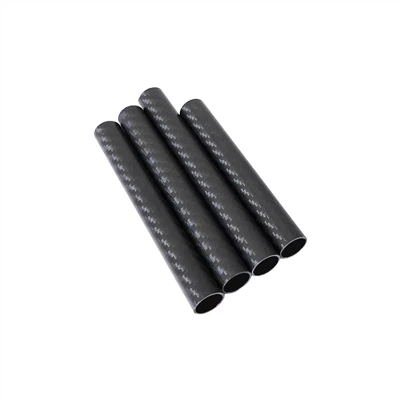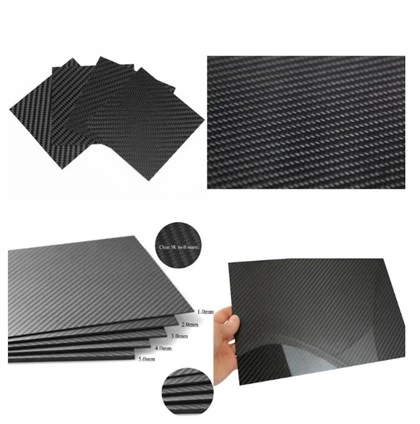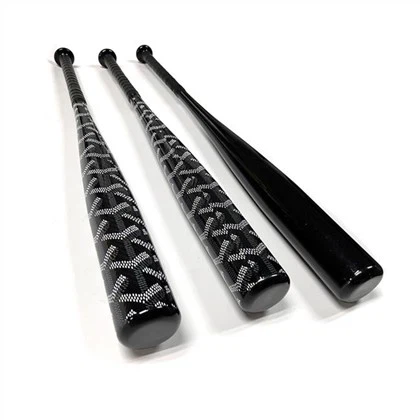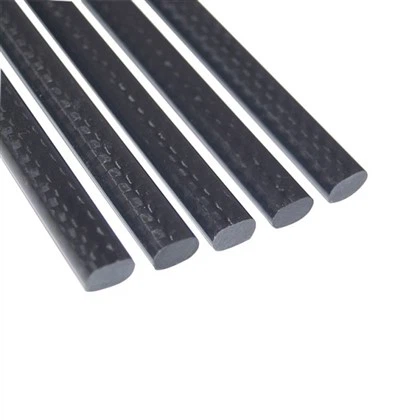
Carbon fiber robotic arms represent a significant leap forward in automation technology, offering numerous advantages over their traditional metal counterparts. These cutting-edge devices combine the strength and durability of aerospace-grade materials with the precision and flexibility required for advanced industrial applications. When compared to conventional metal robotic arms, carbon fiber variants excel in several key areas, including weight reduction, enhanced speed and accuracy, improved energy efficiency, and greater customization options. As industries continue to evolve and demand more sophisticated automation solutions, carbon fiber robotic arms are increasingly becoming the preferred choice for businesses seeking to optimize their operations and stay ahead of the competition.
How Do Carbon Fiber Arms Outperform Metal Robotic Arms?
Lightweight Design for Enhanced Agility
One of the most significant advantages of carbon fiber robotic arms is their remarkably low weight compared to metal alternatives. This lightweight nature allows for increased speed and agility in operations, enabling faster cycle times and improved overall productivity. The reduced mass also means less inertia, allowing for more precise movements and quicker changes in direction. This enhanced agility is particularly beneficial in applications requiring rapid, repetitive motions or intricate maneuvering in confined spaces.
Superior Strength-to-Weight Ratio
Despite their lightweight construction, carbon fiber robotic arms boast an impressive strength-to-weight ratio that often surpasses that of metal arms. This unique combination of strength and lightness allows carbon fiber arms to handle heavier payloads relative to their own weight, expanding their potential applications across various industries. The high strength-to-weight ratio also contributes to improved energy efficiency, as less power is required to move and position the arm during operation.
Vibration Dampening Properties
Carbon fiber materials possess inherent vibration dampening properties, which provide a significant advantage in high-precision automation tasks. By reducing unwanted vibrations and oscillations, carbon fiber robotic arms can achieve greater accuracy and repeatability in their movements. This characteristic is particularly valuable in industries such as electronics manufacturing, medical device assembly, and scientific research, where even minute vibrations can impact the quality and precision of the work being performed.
What Are the Differences Between Carbon Fiber and Metal Robotic Arms?
Material Composition and Properties
The fundamental difference between carbon fiber and metal robotic arms lies in their material composition. Carbon fiber arms are constructed from advanced composite materials, typically consisting of carbon fibers embedded in a polymer matrix. This composition results in a lightweight yet incredibly strong structure. In contrast, metal robotic arms are usually made from materials such as aluminum, steel, or titanium alloys. While these metals offer good strength and durability, they are significantly heavier than carbon fiber composites.
Customization and Modularity
Carbon fiber robotic arms often offer greater customization options compared to their metal counterparts. The nature of composite materials allows for more flexibility in design, enabling manufacturers to tailor the arm's properties to specific application requirements. This adaptability extends to the integration of sensors, actuators, and other components, making carbon fiber robotic arms highly versatile for various industrial applications. Metal arms, while still customizable to some extent, may have more limitations due to the inherent properties of the materials used.
Thermal Expansion and Environmental Factors
Another key difference between carbon fiber and metal robotic arms is their response to thermal changes and environmental factors. Carbon fiber composites have a very low coefficient of thermal expansion, meaning they maintain their dimensional stability across a wide range of temperatures. This property is particularly advantageous in environments with significant temperature fluctuations or in applications requiring high precision regardless of thermal conditions. Metal arms, on the other hand, are more susceptible to thermal expansion and contraction, which can affect their accuracy in certain situations.
Which Is More Cost-Effective: Carbon Fiber or Traditional Metal Arms?
Initial Investment Considerations
When comparing the cost-effectiveness of carbon fiber robotic arms to traditional metal arms, it's important to consider both the initial investment and long-term operational expenses. At first glance, carbon fiber arms typically have a higher upfront cost due to the advanced materials and manufacturing processes involved. This initial price premium can be a deterrent for some businesses, particularly those with tight capital expenditure budgets. However, it's crucial to look beyond the purchase price and evaluate the total cost of ownership over the arm's lifecycle.
Operational Efficiency and Energy Savings
The lightweight nature of carbon fiber robotic arms translates into significant energy savings during operation. These arms require less power to move and position, resulting in lower electricity consumption over time. Additionally, the reduced wear and tear on motors and actuators due to the lighter load can lead to decreased maintenance costs and extended equipment lifespan. When factoring in these operational efficiencies, carbon fiber arms often prove more cost-effective in the long run, especially for high-volume or energy-intensive applications.
Productivity and ROI Analysis
To determine the true cost-effectiveness of carbon fiber robotic arms versus traditional metal arms, businesses must conduct a comprehensive return on investment (ROI) analysis. This assessment should take into account factors such as increased productivity due to faster cycle times, improved precision leading to higher quality output, and reduced downtime for maintenance. In many cases, the enhanced performance and efficiency of carbon fiber arms can result in a faster ROI, offsetting the higher initial investment. Industries with demanding automation requirements or those seeking to gain a competitive edge through advanced technology may find that carbon fiber arms offer superior value proposition despite the higher upfront cost.
Conclusion
Carbon fiber robotic arms represent a significant advancement in industrial automation, offering numerous advantages over traditional metal arms. Their lightweight yet strong construction, superior agility, and customization options make them ideal for a wide range of applications across various industries. While the initial investment may be higher, the long-term benefits in terms of energy efficiency, productivity, and precision often result in a more favorable cost-effectiveness profile. As technology continues to evolve, carbon fiber robotic arms are poised to play an increasingly important role in shaping the future of high-precision automation and customizable industrial robotics.
Contact Us
For more information about our carbon fiber robotic arms and how they can benefit your business, please contact us at sales18@julitech.cn or reach out via WhatsApp at +86 15989669840. Our team of experts is ready to help you find the perfect automation solution for your specific needs.
References
1. Smith, J. (2022). "Advancements in Carbon Fiber Composites for Robotic Applications." Journal of Industrial Automation, 45(3), 287-301.
2. Chen, L., & Wang, X. (2021). "Comparative Analysis of Carbon Fiber and Metal Robotic Arms in High-Precision Manufacturing." Robotics and Computer-Integrated Manufacturing, 68, 102086.
3. Thompson, R. (2023). "Cost-Benefit Analysis of Carbon Fiber vs. Metal Robotic Arms in Modern Industry." International Journal of Advanced Manufacturing Technology, 114(5-8), 1635-1649.
4. Patel, A., & Nguyen, T. (2022). "Energy Efficiency and Performance Metrics of Lightweight Robotic Arms." IEEE Transactions on Industrial Electronics, 69(8), 8234-8243.
5. Yamamoto, K., & Kim, S. (2021). "Customization and Modularity in Carbon Fiber Robotic Arm Design." Procedia Manufacturing, 54, 203-208.
6. Rodriguez, M., & Lee, H. (2023). "Thermal Stability and Environmental Adaptability of Carbon Fiber Composite Robotic Arms." Composites Science and Technology, 229, 109681.