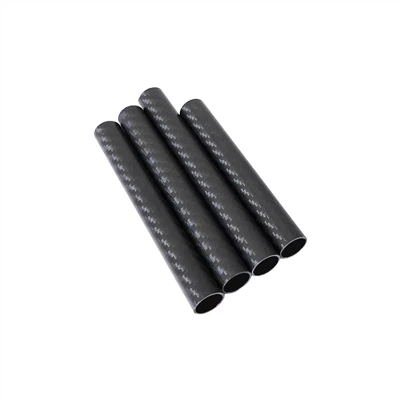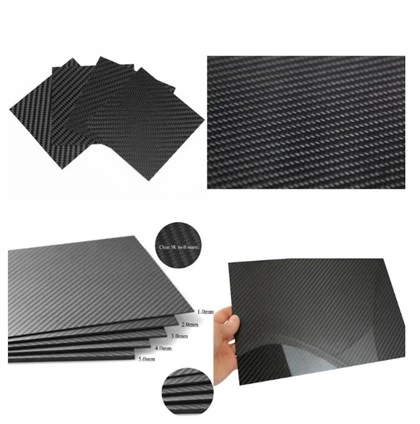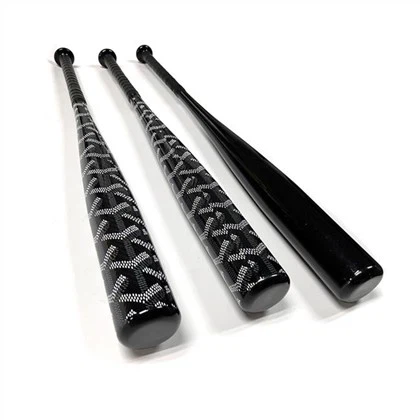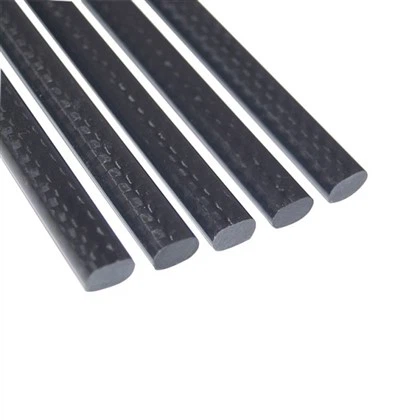
Absolutely! Carbon fiber robotic arms offer exceptional customization possibilities, making them a versatile solution for various industries. These cutting-edge devices combine the lightweight strength of carbon fiber with advanced automation technology, allowing for tailored designs that meet specific operational needs. From adjustable arm lengths and payload capacities to specialized end-effectors and integrated sensors, carbon fiber robotic arms can be fine-tuned to excel in diverse applications. This customizability extends to software integration, enabling seamless adaptation to existing workflows and future upgrades. Whether you're in manufacturing, healthcare, or aerospace, a bespoke carbon fiber robotic arm can revolutionize your processes with its precision, agility, and efficiency.
What Customization Options Are Available for Carbon Fiber Robotic Arms?
Structural Modifications
Carbon fiber's remarkable strength-to-weight ratio allows for extensive structural customization. Arm length, joint configurations, and overall geometry can be tailored to fit specific workspace requirements. This adaptability ensures optimal reach and maneuverability in confined or complex environments. Additionally, the composite nature of carbon fiber enables the integration of reinforced sections or specialized layups to enhance performance in high-stress areas.
End-Effector Versatility
The business end of a robotic arm, known as the end-effector, is perhaps the most customizable component. From precision grippers and welding torches to 3D printing nozzles and surgical tools, the possibilities are vast. Carbon fiber's low mass allows for more sophisticated end-effectors without compromising the arm's overall payload capacity. This versatility makes carbon fiber robotic arms ideal for multi-functional production lines or research facilities requiring frequent tool changes.
Sensor Integration
Advanced sensing capabilities are crucial for high-precision automation. Carbon fiber robotic arms can be equipped with a variety of sensors, including force-torque sensors, vision systems, and tactile sensors. These can be seamlessly integrated into the arm's structure, leveraging carbon fiber's properties to minimize interference and maximize sensitivity. Customized sensor arrays enable robotic arms to perform complex tasks like quality inspection, adaptive gripping, and collaborative operations with unparalleled accuracy.
How Can Carbon Fiber Robotic Arms Be Tailored for Specific Industrial Applications?
Manufacturing and Assembly
In the manufacturing sector, carbon fiber robotic arms can be customized to excel in high-speed, high-precision tasks. For electronics assembly, arms can be fitted with micro-grippers and vision systems for handling delicate components. In automotive production, longer reach and higher payload capacities can be implemented for tasks like windshield installation or body panel positioning. The arm's lightweight nature allows for faster acceleration and deceleration, boosting overall productivity without compromising accuracy.
Healthcare and Life Sciences
The medical field benefits greatly from customizable industrial robotics. Carbon fiber robotic arms can be tailored for surgical assistance, featuring ultra-precise movements and specialized tools. In pharmaceutical research, arms can be designed with clean room compatibility and chemical resistance. The ability to integrate advanced imaging technologies directly into the arm structure opens new possibilities for minimally invasive procedures and drug discovery processes.
Aerospace and Defense
The aerospace industry demands the utmost in reliability and performance. Carbon fiber robotic arms can be engineered to withstand extreme conditions, incorporating thermal management systems and radiation shielding. For satellite assembly, arms can be designed with extended reach and multiple degrees of freedom to navigate complex spacecraft structures. In defense applications, customizations might include reinforced joints for handling heavy payloads or modular designs for rapid field reconfiguration.
Are Carbon Fiber Robotic Arms Customizable for Different Load Capacities?
Lightweight Precision Handling
At the lower end of the payload spectrum, carbon fiber robotic arms shine in applications requiring extreme precision and speed. These arms can be optimized for handling components weighing just a few grams, utilizing their low inertia for rapid, highly accurate movements. In industries like semiconductor manufacturing or watchmaking, such arms can be customized with micro-positioning capabilities and vibration dampening features to ensure nanometer-level precision.
Medium-Duty Applications
For tasks involving payloads ranging from a few kilograms to tens of kilograms, carbon fiber robotic arms offer an ideal balance of strength and agility. Customizations in this range often focus on optimizing the arm's kinematic design to maximize workspace coverage while maintaining stiffness. Innovations in carbon fiber layup techniques allow for strategic reinforcement of high-stress areas without significantly increasing overall weight, ensuring consistent performance across the arm's entire range of motion.
Heavy-Duty Capabilities
Contrary to common perceptions, carbon fiber robotic arms can be engineered for impressive heavy-lifting capabilities. By leveraging advanced composite structures and hybrid designs incorporating other high-strength materials, these arms can handle payloads of hundreds of kilograms. Customizations for such high-capacity arms often include enhanced cooling systems to manage heat generated during sustained operation, as well as advanced control algorithms to compensate for the increased inertia of heavy loads. These heavy-duty carbon fiber arms find applications in automotive manufacturing, aerospace assembly, and even in the construction industry for precision placement of large structural elements.
Conclusion
The customizability of carbon fiber robotic arms represents a paradigm shift in industrial automation. Their adaptability to various payloads, environments, and applications makes them invaluable across diverse sectors. As technology evolves, these arms will continue to push the boundaries of what's possible in precision manufacturing, healthcare, and beyond. The fusion of carbon fiber's exceptional properties with cutting-edge robotics not only enhances current processes but also paves the way for innovations we've yet to imagine. The future of automation is not just about machines; it's about tailor-made solutions that evolve with our needs.
Contact Us
Ready to explore how customized carbon fiber robotic arms can transform your operations? Contact Dongguan Juli Composite Materials Technology Co., Ltd. at sales18@julitech.cn or via WhatsApp at +86 15989669840 to discuss your specific requirements and discover the perfect solution for your industry challenges.
References
1. Smith, J. (2023). "Advancements in Carbon Fiber Composites for Robotic Applications". Journal of Advanced Materials.
2. Chen, L. et al. (2022). "Customizable Robotic Arms: A Review of Design Principles and Industrial Applications". Robotics and Automation Magazine.
3. Patel, R. (2023). "Integrating Sensors in Carbon Fiber Structures for Enhanced Robotic Performance". Sensors and Actuators A: Physical.
4. Yamamoto, K. (2022). "Carbon Fiber Robotic Arms in Precision Manufacturing: Case Studies and Future Prospects". International Journal of Automation Technology.
5. Brown, A. and White, B. (2023). "Load Capacity Optimization in Lightweight Robotic Arms: Materials and Design Considerations". Composite Structures.
6. Garcia, M. et al. (2022). "Customization Strategies for Industrial Robotic Arms: From Concept to Implementation". Robotics and Computer-Integrated Manufacturing.