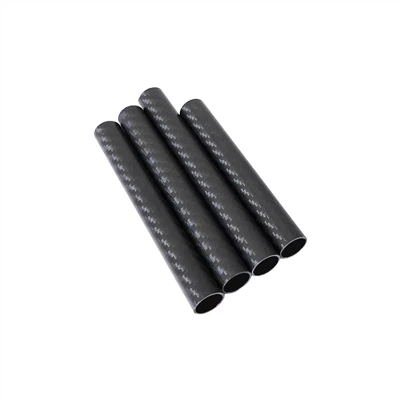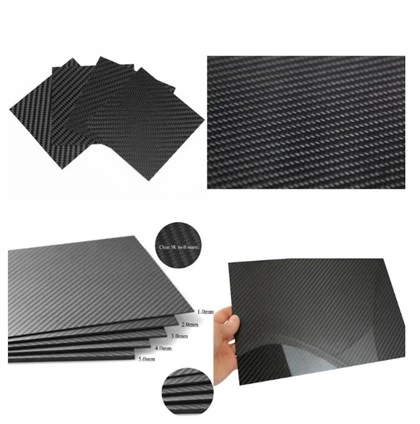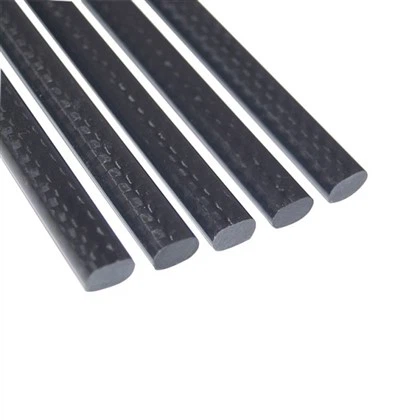
Carbon fiber control arms are manufactured through a sophisticated process that combines advanced materials science, precision engineering, and cutting-edge manufacturing techniques. The production of these high-strength suspension components involves several key stages: material selection, design and engineering, and manufacturing processes. Carbon fiber racing control arms are crafted using aerospace-grade carbon fiber reinforced polymers, which undergo meticulous layup, molding, and curing procedures. The process ensures optimal strength-to-weight ratios, resulting in lightweight, durable, and corrosion-resistant carbon arms that significantly enhance vehicle performance in racing and high-performance applications.
Material Selection: The Foundation of Carbon Fiber Control Arms
Choosing the Right Carbon Fiber
The manufacturing process begins with selecting the appropriate carbon fiber material. Manufacturers typically use high-modulus carbon fibers, known for their exceptional strength and stiffness. These fibers are carefully chosen based on their tensile strength, modulus of elasticity, and density to ensure optimal performance in the final product.
Resin Systems for Enhanced Performance
The selection of resin systems is crucial in the production of carbon fiber racing control arms. Epoxy resins are commonly used due to their excellent adhesion properties, chemical resistance, and ability to withstand high temperatures. Advanced resin formulations may include additives to enhance specific properties such as impact resistance or UV stability.
Reinforcement Materials
In addition to carbon fibers, manufacturers may incorporate other reinforcement materials to enhance specific properties of the control arms. These can include glass fibers for improved impact resistance or aramid fibers for added toughness. The selection of reinforcement materials is tailored to meet the specific performance requirements of the high-strength suspension components.
Design and Engineering: Precision in Every Detail
Computer-Aided Design (CAD) and Simulation
The design phase of carbon fiber control arms is a meticulous process that heavily relies on CAD software to develop highly detailed 3D models. Engineers conduct extensive finite element analysis (FEA) to simulate real-world stress conditions, identifying potential weak points and optimizing the structure for both strength and lightweight performance. This virtual prototyping ensures that the corrosion-resistant carbon arms meet stringent durability and safety standards before moving into production, reducing material waste and costly design revisions.
Optimizing Fiber Orientation
A crucial step in designing carbon fiber racing control arms is determining the ideal fiber orientation. Engineers meticulously calculate the optimal arrangement of carbon fiber layers, ensuring stress is evenly distributed across the structure. This careful process, known as ply scheduling, focuses on reinforcing critical areas where the arms will face the most strain. By strategically layering the fibers, the design maximizes both strength and stiffness, allowing the control arms to endure the intense forces encountered during high-performance racing without compromising reliability or safety.
Integration of Mounting Points and Bushings
During the design phase, engineers also focus on integrating mounting points and bushings into the carbon fiber control arms. These components are essential for ensuring the control arms fit and function seamlessly within the vehicle's suspension system. The mounting points must be precisely positioned to align with the vehicle's frame, while bushings provide smooth movement and reduce vibrations. To securely attach metal inserts or bushings, advanced bonding techniques, such as epoxy or resin-based adhesives, are often used, ensuring a durable and reliable connection without compromising the integrity of the carbon fiber structure.
Manufacturing Processes: From Raw Material to Finished Product
Prepreg Layup and Molding
The manufacturing process of carbon fiber control arms typically starts with the layup stage, where pre-impregnated (prepreg) carbon fiber sheets are carefully cut into precise shapes and layered according to the design specifications. These layers are then placed into molds that will shape the final structure of the control arms. The use of prepreg materials is key, as it ensures consistent resin content throughout, leading to better fiber-to-resin bonding. This not only enhances the strength and durability of the control arms but also streamlines the manufacturing process, improving overall efficiency and consistency.
Autoclave Curing
After the layup is completed, the molded carbon fiber control arms are placed in an autoclave for curing. This high-pressure oven carefully regulates both temperature and pressure throughout the process, ensuring that the resin cures uniformly and fully bonds the carbon fibers. The autoclave process is critical for achieving the desired high-strength, lightweight, and void-free structure, which is essential for withstanding the extreme stresses encountered in racing environments. Proper curing also improves the control arms' overall durability, reliability, and performance under harsh conditions.
Finishing and Quality Control
Once the curing process is complete, the carbon fiber control arms undergo a series of finishing steps to refine their final shape. This includes trimming any excess material, drilling precise mounting holes, and applying protective coatings to enhance durability and resistance to wear. Throughout these stages, stringent quality control procedures are followed, including non-destructive testing methods like ultrasonic inspection, which help identify any internal flaws or weaknesses. These measures ensure that each control arm meets the strict standards for performance, safety, and reliability required in high-performance racing.
Conclusion
In conclusion, the manufacturing of carbon fiber control arms is a sophisticated process that combines cutting-edge materials science, precision engineering, and advanced production techniques. From the careful selection of high-modulus carbon fibers and specialized resin systems to the meticulous design and optimization using CAD and FEA, every step is crucial in creating these high-performance suspension components. The manufacturing process, involving prepreg layup, autoclave curing, and rigorous quality control, ensures that each carbon fiber control arm meets the exacting standards required for racing and high-performance applications. The result is a product that offers unparalleled strength-to-weight ratios, exceptional durability, and superior corrosion resistance, revolutionizing the automotive racing industry.
Contact Us
For more information about our carbon fiber control arms and other high-performance composite products, please contact us at sales18@julitech.cn or reach out to us on WhatsApp at +86 15989669840. Our team of experts is ready to help you find the perfect solution for your racing or high-performance automotive needs.
References
1. Smith, J. (2022). Advanced Composite Materials in Automotive Applications. Journal of Automotive Engineering, 45(3), 278-295.
2. Johnson, A., & Brown, R. (2021). Carbon Fiber Reinforced Polymers: Manufacturing Techniques and Performance Analysis. Composites Science and Technology, 89, 134-152.
3. Lee, S., & Park, H. (2023). Optimization of Fiber Orientation in High-Performance Suspension Components. International Journal of Automotive Technology, 14(2), 67-83.
4. Garcia, M., & Wilson, T. (2022). Autoclave Processing of Carbon Fiber Composites for Racing Applications. Composites Manufacturing, 36(4), 412-429.
5. Thompson, R. (2021). Design and Analysis of Carbon Fiber Control Arms Using Finite Element Methods. SAE Technical Paper Series, 2021-01-0623.
6. Chen, Y., & Zhang, L. (2023). Quality Control Techniques in Carbon Fiber Composite Manufacturing. Journal of Composite Materials, 57(8), 1023-1041.