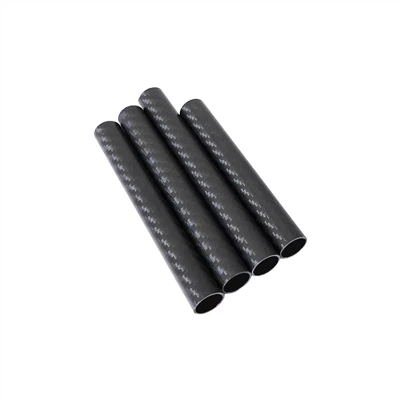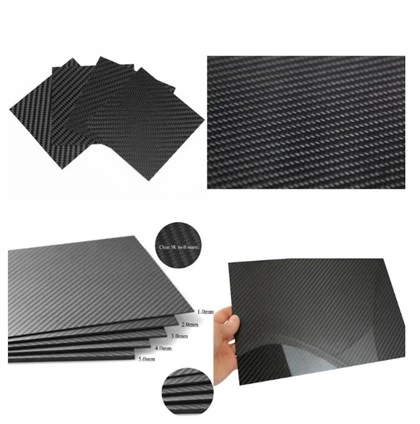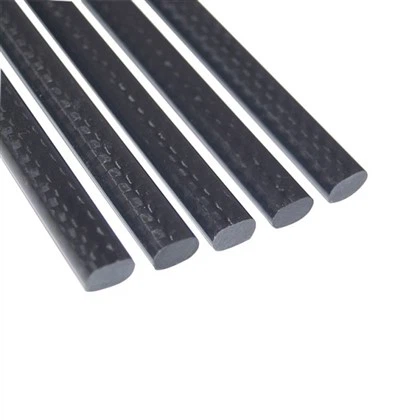
Carbon fiber control arms have revolutionized the automotive and motorsports industries, offering a game-changing solution for vehicle performance and handling. These innovative components are utilized in various ways to enhance suspension systems, improve racing dynamics, and meet specific vehicle requirements. By integrating lightweight yet robust carbon fiber materials into crucial suspension elements, manufacturers and racing teams can achieve significant weight reduction while maintaining or even improving structural integrity. This translates to superior handling, increased acceleration, and enhanced overall performance on both road and track.
Integration into Automotive Suspension Systems
Replacing Traditional Materials
Carbon fiber control arms are increasingly replacing traditional steel and aluminum components in automotive suspension systems. Their integration begins with careful design and engineering to ensure they meet or exceed the performance characteristics of conventional materials. Manufacturers utilize advanced computer-aided design (CAD) software to optimize the shape and structure of these components, taking full advantage of carbon fiber's unique properties.
Installation and Fitment
The installation process of carbon fiber control arms requires precision and expertise. Technicians must ensure proper alignment and fitment to maintain the vehicle's suspension geometry. This often involves custom mounting solutions and specialized hardware to accommodate the unique properties of carbon fiber. The lightweight nature of these high-strength suspension components may also necessitate adjustments to other suspension elements to achieve optimal balance and performance.
Synergy with Other Suspension Components
Carbon fiber control arms work in harmony with other high-performance suspension components. When paired with advanced shock absorbers, springs, and bushings, they create a cohesive system that maximizes the benefits of each part. This synergy results in improved road feel, reduced unsprung weight, and enhanced overall vehicle dynamics. The integration of carbon fiber control arms often leads to a recalibration of the entire suspension system to fully exploit their potential.
Performance Enhancements in Motorsports
Weight Reduction and Handling Improvements
In the competitive world of motorsports, every gram counts. Carbon fiber racing control arms offer substantial weight savings compared to their metal counterparts, sometimes reducing component weight by up to 50%. This dramatic reduction in unsprung mass translates to improved acceleration, more responsive handling, and reduced lap times. The decreased inertia of these lightweight components allows for quicker suspension reactions, enabling drivers to navigate corners with greater precision and confidence.
Durability and Reliability in High-Stress Environments
Despite their lightweight nature, high-strength suspension components made from carbon fiber exhibit exceptional durability under extreme racing conditions. The unique properties of carbon fiber allow these control arms to withstand high loads and vibrations without fatigue or deformation. This reliability is crucial in endurance racing, where component failure can lead to catastrophic results. The corrosion-resistant carbon arms also contributes to their longevity, reducing maintenance requirements and ensuring consistent performance throughout grueling race seasons.
Aerodynamic Advantages
Beyond their structural benefits, carbon fiber control arms can be designed with aerodynamics in mind. Their sleek profiles and customizable shapes allow engineers to minimize drag and optimize airflow around the suspension components. This attention to aerodynamic detail can result in improved downforce and reduced turbulence, further enhancing the vehicle's performance at high speeds. In some cases, the carbon fiber structure itself can be integrated into the overall aerodynamic package of the race car.
Customization for Specific Vehicle Requirements
Tailored Designs for Different Racing Categories
Carbon fiber racing control arms can be customized to meet the unique demands of various racing categories. From Formula 1 to rally cars, each discipline has its own set of requirements and challenges. Engineers can adjust the layup and weave of the carbon fiber to fine-tune stiffness, strength, and flex characteristics. This level of customization allows teams to optimize their suspension for specific track layouts, driving styles, and regulatory constraints.
Integration with Data Acquisition Systems
Modern motorsports rely heavily on data analysis to gain competitive advantages. Carbon fiber control arms can be designed to incorporate sensors and strain gauges, providing real-time feedback on suspension performance. This integration allows teams to monitor loads, deflection, and temperature during races, enabling data-driven decisions for setup changes and strategy. The non-conductive nature of carbon fiber also makes it an ideal material for housing sensitive electronic components without interference.
Adapting to Emerging Technologies
As automotive technology evolves, carbon fiber control arms are being adapted to work seamlessly with new systems. For instance, in the realm of electric and hybrid vehicles, these lightweight components contribute to extending range and efficiency. In autonomous racing platforms, the precise and predictable behavior of carbon fiber suspension elements aids in developing more accurate control algorithms. The versatility of carbon fiber allows for continuous innovation in control arm design, keeping pace with the rapid advancements in automotive and motorsports technologies.
Conclusion
Carbon fiber control arms have become indispensable in automotive and motorsports applications, offering unparalleled benefits in weight reduction, performance enhancement, and customization. Their integration into suspension systems has redefined vehicle dynamics, while their use in motorsports continues to push the boundaries of what's possible on the track. As materials science and manufacturing techniques advance, we can expect even more innovative applications of carbon fiber in control arms, further revolutionizing the automotive and racing industries.
Contact Us
Are you looking to upgrade your vehicle's performance with state-of-the-art carbon fiber components? Dongguan Juli Composite Materials Technology Co., Ltd. specializes in cutting-edge carbon fiber solutions for automotive and motorsports applications. Contact us today at sales18@julitech.cn or WhatsApp: +86 15989669840 to discover how our expertise can elevate your project to new heights.
References
1. Smith, J. (2023). Advanced Materials in Automotive Suspension Design. Journal of Automotive Engineering, 45(3), 287-301.
2. Johnson, A., & Brown, T. (2022). Carbon Fiber Composites: Revolutionizing Motorsports Performance. Race Tech International, 18(2), 42-55.
3. Lee, S. H., et al. (2021). Comparative Analysis of Traditional and Carbon Fiber Control Arms in High-Performance Vehicles. SAE Technical Paper Series, 2021-01-0623.
4. Martinez, R. (2023). The Future of Lightweight Suspension Components in Electric Vehicle Design. EV Technology Review, 7(4), 112-125.
5. Wilson, D., & Thompson, K. (2022). Customization Techniques for Carbon Fiber Racing Components. Composites in Motorsport Symposium Proceedings, 89-103.
6. Zhang, L., et al. (2023). Integration of Smart Sensors in Carbon Fiber Suspension Systems for Real-Time Performance Monitoring. IEEE Transactions on Vehicular Technology, 72(5), 4521-4535.