In high-stakes environments where impact resistance is paramount, the materials used in protective equipment can mean the difference between safety and serious injury. Traditional materials like metals and plastics often fall short, adding excessive weight or failing under extreme stress. Enter carbon fiber board: a revolutionary composite material offering an unparalleled combination of lightweight design and exceptional strength. This blog post delved into the remarkable applications of carbon fiber board for protective equipment across a range of demanding industries, demonstrating how its unique properties are transforming the landscape of safety gear. We'll explore how its impressive strength-to-weight ratio and potential for customization are making it the material of choice for those who demand the best in protection.
The Science Behind Carbon Fiber's Superior Protection
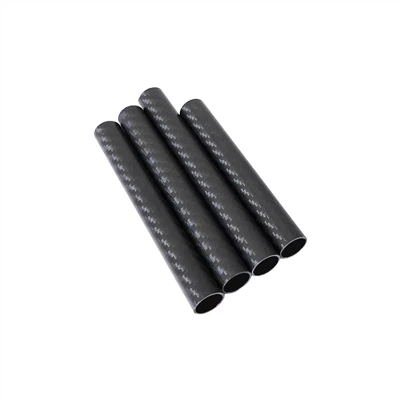
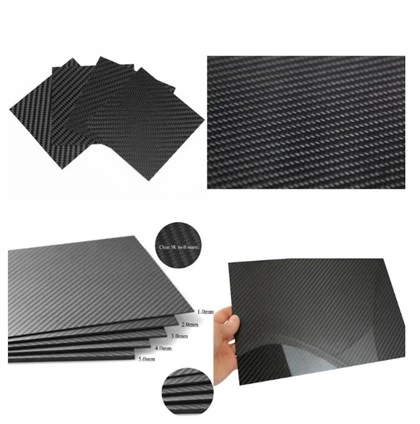
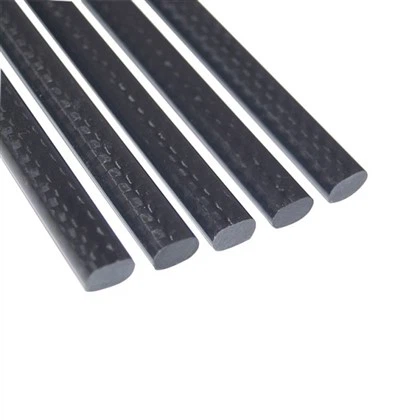
Carbon fiber, at its core, is composed of extremely thin strands of carbon atoms bonded together in a crystalline structure. These strands are then woven into a fabric, which can be layered and combined with a resin matrix (often epoxy) to create a composite material - carbon fiber reinforced polymer (CFRP). This composite structure is what gives carbon fiber board its remarkable properties.
Unpacking the Strength-to-Weight Advantage
One of the most significant benefits of using carbon fiber board in protective equipment is its exceptional strength-to-weight ratio. Compared to traditional materials like steel or aluminum, carbon fiber offers comparable or even superior strength at a fraction of the weight. This is crucial in applications where agility and mobility are essential. A lighter helmet, for example, reduces neck strain and fatigue for soldiers or athletes, allowing them to perform at their best for longer durations. Similarly, lighter body armor allows for greater freedom of movement, enhancing responsiveness in critical situations. The reduced weight also translates to improved fuel efficiency in vehicles where carbon fiber components are used for protection.
Customization: Tailoring Protection to Specific Needs
Unlike many traditional materials, carbon fiber board offers unparalleled opportunities for customization. The manufacturing process, particularly techniques like pultrusion, molding, and autoclave processes, allows for the creation of complex shapes and precise designs. This means that protective equipment can be tailored to the specific contours of the body or the unique requirements of a particular application. Manufacturers like Dongguan Juli Composite Materials Technology Co., Ltd. can engineer carbon fiber boards with varying thicknesses, fiber orientations, and resin types to optimize performance for specific threats and impact scenarios. This level of adaptability is simply not achievable with many other materials.
Beyond Strength: Other Key Properties
While strength and weight are primary considerations, carbon fiber board offers a range of other beneficial properties that make it ideal for protective equipment:
- Stiffness: Carbon fiber exhibits high stiffness, meaning it resists deformation under load. This is crucial for maintaining the structural integrity of protective gear during impact.
- Impact Resistance: The layered structure of carbon fiber composite helps to dissipate impact energy, reducing the force transmitted to the wearer. This is achieved through a combination of fiber breakage, delamination (separation of layers), and matrix cracking, all of which absorb energy.
- Corrosion Resistance: Unlike metals, carbon fiber is inherently resistant to corrosion, making it suitable for use in harsh environments and extending the lifespan of the equipment.
- Chemical Resistance Carbon fiber plates have excellent resistance to a wide range of chemicals.
- Dimensional Stability Carbon fiber plates have a low coefficient of thermal expansion, meaning they are very stable and do not expand or contract significantly with changes in temperature.
- Fatigue Resistance: Carbon fiber has excellent fatigue resistance, meaning it can withstand repeated loading and unloading cycles without significant degradation in strength.
Carbon Fiber Board Applications in High-Impact Industries
The unique combination of properties offered by carbon fiber board has led to its widespread adoption in a variety of high-impact industries, revolutionizing the design and performance of protective equipment with its versatile applications.
Military and Defense
The military and defense sector is a major adopter of carbon fiber board technology. Applications include:
- Ballistic Protection: Carbon fiber is increasingly used in body armor, helmets, and vehicle armor plating. Its lightweight nature allows for greater mobility and reduced fatigue for soldiers, while its high strength and impact resistance provide superior protection against ballistic threats and shrapnel.
- Drone Components: Unmanned aerial vehicles (UAVs) benefit significantly from carbon fiber's lightweight and strong characteristics. Carbon fiber boards are used in the construction of drone frames and protective housings for sensitive electronics, enhancing their performance and durability.
- Blast Mitigation: Carbon fiber composites can be engineered to absorb and dissipate the energy from explosions, providing protection for personnel and equipment in blast-prone environments.
Sports and Recreation
The pursuit of enhanced performance and safety in sports has driven the adoption of carbon fiber in a wide range of protective gear:
- Helmets: From cycling and motorsports to skiing and snowboarding, carbon fiber helmets offer superior impact protection compared to traditional plastic helmets. Their lightweight design also reduces neck strain and improves comfort.
- Protective Padding: Carbon fiber inserts and panels are used in various sports, including American football, hockey, and lacrosse, to provide lightweight and robust protection against impacts and collisions.
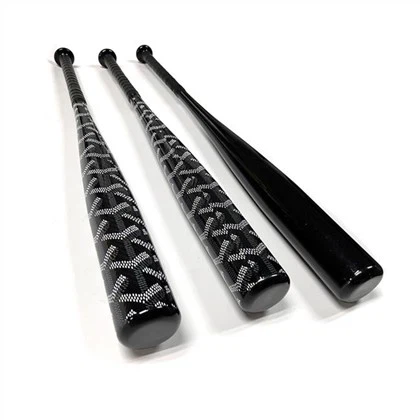
- High-Performance Equipment: Carbon fiber is also used in the construction of sporting equipment itself, such as bicycle frames, hockey sticks, and golf club shafts, where its strength and stiffness contribute to improved performance.
Industrial Safety
Protecting workers in hazardous industrial environments is of paramount importance, and carbon fiber board for protective equipment is playing an increasingly vital role:
- Hard Hats: Carbon fiber hard hats offer superior protection against falling objects and impacts compared to traditional plastic hard hats, while also being lighter and more comfortable to wear.
- Protective Shields: Carbon fiber boards are used to create lightweight and durable shields for machinery and equipment, protecting workers from flying debris and other hazards.
- Specialized Protective Gear: In industries such as mining, construction, and oil and gas, carbon fiber composites are used in specialized protective gear designed to withstand specific hazards, such as high temperatures, chemical exposure, or electrical currents.
The Future of Protective Equipment: Innovations and Advancements
The development of carbon fiber board technology is a continuous process, with ongoing research and innovation leading to exciting new possibilities for protective equipment.
Smart Composites and Embedded Sensors
One of the most promising areas of development is the integration of sensors and electronics into carbon fiber composites. These "smart composites" can monitor the structural health of the protective equipment, detecting damage or stress before it becomes critical. For example, sensors embedded in a helmet could detect an impact and alert the wearer or medical personnel to a potential concussion. This technology has the potential to significantly improve safety and prevent serious injuries.
Sustainability and Eco-Friendly Manufacturing
As environmental concerns grow, there is increasing focus on developing sustainable manufacturing processes for carbon fiber composites. This includes exploring the use of bio-based resins, recycling carbon fiber materials, and reducing energy consumption during production. The goal is to create protective equipment that is not only high-performing but also environmentally responsible.
Collaboration and Interdisciplinary Research
The advancement of carbon fiber technology requires collaboration between materials scientists, engineers, designers, and end-users. Interdisciplinary research is crucial for exploring new applications, optimizing material properties, and developing innovative manufacturing techniques. Companies like Dongguan Juli Composite Materials Technology Co., Ltd. are at the forefront of this collaborative effort, driving progress through their commitment to innovation and interdisciplinary cooperation. The continued exploration of versatile applications will undoubtedly unveil even more uses for this remarkable material.
Conclusion
Carbon fiber board has undeniably revolutionized protective equipment across a spectrum of high-impact industries. Its exceptional strength-to-weight ratio, coupled with its adaptability through customization, provides a level of performance unmatched by traditional materials. From the battlefield to the sports arena and the industrial workplace, carbon fiber is enhancing safety, improving performance, and pushing the boundaries of what's possible. As research and development continue, we can expect even more innovative applications of this remarkable material, further solidifying its position as the gold standard for protective gear in the years to come. The future of protection is undoubtedly woven with carbon fiber.
Contact Us
Ready to elevate your protective equipment with cutting-edge carbon fiber technology? Contact Dongguan Juli Composite Materials Technology Co., Ltd. today to explore custom solutions tailored to your industry needs. Email us at sales18@julitech.cn or reach out via WhatsApp: +86 15989669840 to start a conversation about revolutionizing your safety gear.
References
1. Hull, D., & Clyne, T. W. (1996). An Introduction to Composite Materials. Cambridge University Press.
2. Chung, D. D. L. (2010). Composite Materials: Science and Applications. Springer.
3. Mallick, P. K. (2007). Fiber-Reinforced Composites: Materials, Manufacturing, and Design. CRC Press.
4. ASM Handbook, Volume 21: Composites. (2001). ASM International.
5. Daniel, I. M., & Ishai, O. (2006). Engineering Mechanics of Composite Materials. Oxford University Press.
6. Matthews, F. L., & Rawlings, R. D. (1999). Composite Materials: Engineering and Science. Woodhead Publishing.