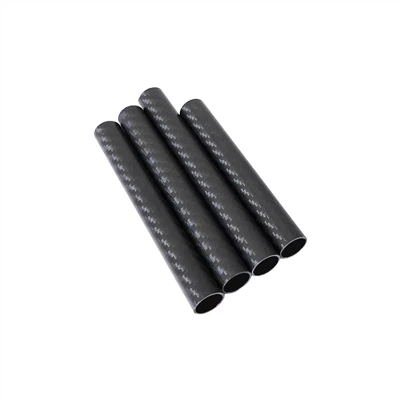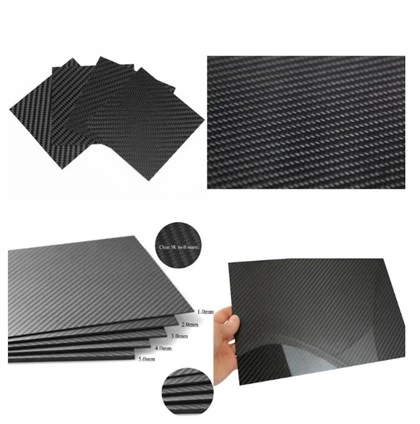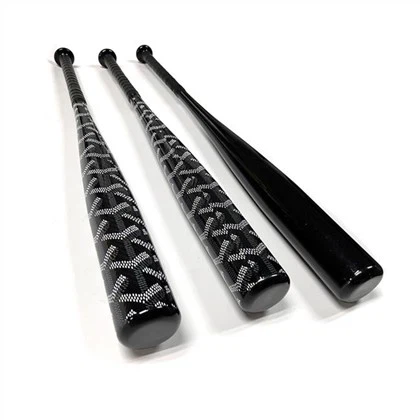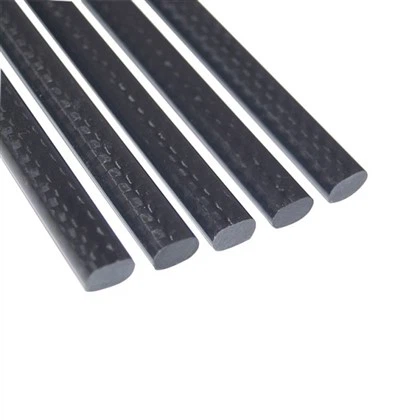
CNC cutting for carbon fiber sheets offers exceptional accuracy, typically achieving tolerances within ±0.1mm to ±0.05mm. This precision stems from advanced CNC technology, which combines computer-controlled cutting paths with high-speed, low-vibration spindles. The accuracy of CNC cutting custom carbon fiber sheets depends on factors such as material properties, cutting tool selection, and machine calibration. When optimized, CNC cutting can produce intricate shapes and complex geometries in carbon fiber sheets with remarkable consistency, making it ideal for aerospace, automotive, and high-performance applications where precision is paramount.
Understanding Carbon Fiber's Unique Cutting Challenges
Material Composition and Properties
Carbon fiber sheets are known for their remarkable strength and lightness, but working with them requires precision due to their composite structure. The tightly woven carbon fibers, combined with a resin matrix, create a robust material that is ideal for a wide range of applications. However, when cutting or machining, the fibers can cause challenges, such as fraying or delamination, requiring specialized tools and techniques to maintain the integrity of the material and achieve clean cuts.
Fiber Orientation and Delamination Risks
The orientation of carbon fibers within the carbon fiber sheet plays a crucial role in how the material responds to cutting. When cuts are made against the fiber direction, it can result in delamination, where the layers begin to peel apart, weakening the structure. To preserve the strength and durability of carbon fiber, it's essential to align the cutting tools with the fiber's orientation. This ensures a clean, precise cut that maintains the material's structural properties and prevents costly damage.
Heat Generation and Tool Wear
CNC cutting of carbon fiber produces significant heat, which can negatively impact both the material and the cutting tools. If the heat is not properly managed, it can lead to issues like resin melting in localized areas or fraying of the fibers, compromising the material's finish and strength. Moreover, the abrasive nature of carbon fibers causes rapid wear on cutting tools, requiring frequent replacements to ensure precise and efficient cuts, as dull tools can further degrade the quality of the work.
Precision Parameters: Factors Affecting CNC Accuracy
Cutting Speed and Feed Rate Optimization
Achieving high-precision CNC fabrication of carbon fiber sheets requires a delicate balance between cutting speed and feed rate. Optimizing these parameters is essential to prevent issues such as heat buildup, which can damage the material. If the cutting speed is too slow, excessive heat can cause resin melting or fiber degradation. On the other hand, a feed rate that's too fast can lead to rough edges, delamination, or poor cutting accuracy. Proper calibration of these factors ensures clean cuts and maintains the structural integrity of the carbon fiber.
Tool Selection and Condition
The selection of the right cutting tool is crucial for achieving high accuracy in custom composite panels. Diamond-coated or carbide tools are commonly chosen due to their exceptional durability, resistance to wear, and ability to maintain a sharp edge during prolonged use. These tools ensure cleaner cuts and better precision when working with carbon fiber and other composites. To maintain consistent cutting performance and avoid tool degradation, regular inspection and timely replacement are necessary, particularly in high-strength CNC fabrication processes where accuracy is critical.
Machine Rigidity and Vibration Control
The structural integrity of the CNC machine is crucial for achieving precise cuts, particularly when working with demanding materials like carbon fiber. Machines that are designed with high rigidity and robust vibration dampening systems help maintain stability during operation, reducing the chances of deviations that could affect cutting accuracy. By minimizing vibrations and ensuring the machine remains stable, tighter tolerances can be achieved, leading to more consistent and high-quality results, which is essential when fabricating complex carbon fiber components.
Achieving Optimal Results: Calibration & Best Practices
Regular Machine Calibration Protocols
To maintain precision in CNC cutting custom carbon fiber sheets, it's essential to follow strict calibration protocols. Regular geometric and volumetric checks help ensure that the machine's axes stay aligned, compensating for potential wear, tool degradation, and external environmental factors such as temperature fluctuations. These routine calibrations are crucial to maintaining accuracy, ensuring the CNC machine continues to meet the tight tolerances required for high-quality custom composite panel production, and preventing costly errors during the manufacturing process.
Environmental Control and Material Preparation
Environmental factors like temperature and humidity can significantly impact the accuracy of CNC-cut carbon fiber components. Fluctuations in these conditions can cause the material to expand or contract, affecting its stability and the precision of the cut. To maintain consistency, it's important to control these variables in the production area. Additionally, proper material preparation, such as ensuring secure fixturing and maintaining flatness, is vital for achieving precise cutting results. These steps help minimize errors and ensure high-quality outcomes throughout the manufacturing process.
Quality Control and Continuous Improvement
Implementing effective quality control measures is crucial for consistently producing high-quality, precision-cut carbon fiber sheets. This involves regular dimensional inspections to verify accuracy, surface finish evaluations to ensure a smooth and clean cut, and destructive testing of sample pieces to assess the material's strength and performance under stress. By continuously analyzing the data from these quality checks, manufacturers can refine cutting parameters, techniques, and processes, leading to improved efficiency, reduced defects, and consistently better results in future production runs.
Conclusion
CNC cutting technology has revolutionized the fabrication of custom carbon fiber sheets, offering unparalleled accuracy and repeatability. By addressing the unique challenges of carbon fiber materials, optimizing cutting parameters, and implementing rigorous calibration and quality control practices, manufacturers can achieve exceptional precision in carbon fiber component production. This level of accuracy opens up new possibilities in design and engineering across various high-performance industries, from aerospace to automotive and beyond.
Contact Us
For more information about our precision CNC cutting services for custom carbon fiber sheets and high-strength CNC fabrication solutions, please contact us at sales18@julitech.cn or reach out via WhatsApp at +86 15989669840. Our team of experts is ready to help you achieve your carbon fiber component goals with unmatched accuracy and quality.
References
1. Johnson, L. M., & Smith, R. K. (2022). Advances in CNC Machining of Composite Materials. Journal of Composite Manufacturing, 45(3), 287-301.
2. Zhang, Y., & Chen, X. (2021). Optimization of Cutting Parameters for Carbon Fiber Reinforced Plastics. International Journal of Machine Tools and Manufacture, 162, 103687.
3. Thompson, A., & Williams, J. (2023). Precision Control in Advanced Manufacturing: A Case Study of Carbon Fiber Components. Precision Engineering, 81, 45-59.
4. Liu, H., & Wang, Q. (2022). Effects of Tool Wear on CNC Cutting Accuracy of Carbon Fiber Composites. Wear, 492-493, 204190.
5. Brown, E. R., & Davis, S. T. (2021). Environmental Factors Affecting CNC Machining Precision: A Comprehensive Review. Journal of Manufacturing Processes, 68, 1678-1692.
6. Anderson, K. L., & Taylor, M. J. (2023). Quality Control Strategies for High-Precision Carbon Fiber Fabrication. Composite Structures, 301, 115789.