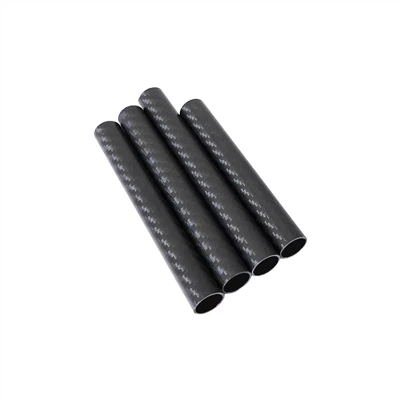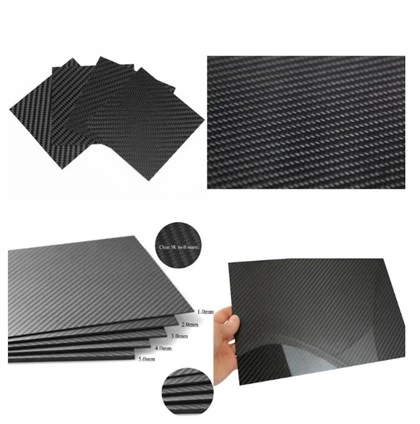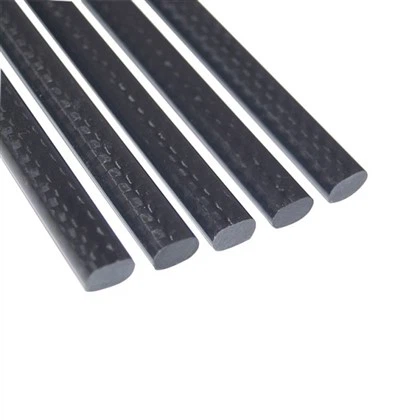
When it comes to choosing the ideal bed board, the debate between carbon fiber and metal options has gained significant traction in recent years. Carbon fiber bed boards have emerged as a revolutionary alternative to traditional metal counterparts, offering a unique blend of lightweight strength, durability, and ergonomic support. This innovative material, originally developed for aerospace applications, has found its way into our bedrooms, promising enhanced sleep quality and longevity. Unlike metal bed boards, which can be heavy and prone to corrosion, carbon fiber options provide superior strength-to-weight ratio, customization capabilities, and vibration-dampening properties. As we delve deeper into this comparison, we'll explore how these advanced composite bed boards stack up against their metal counterparts in terms of material properties, performance, durability, and cost-effectiveness.
What Are the Key Differences in Material Properties Between Carbon Fiber and Metal?
Density and Weight Comparison
One of the most striking differences between carbon fiber and metal bed boards lies in their density and weight. Carbon fiber composites boast an exceptionally low density, typically ranging from 1.5 to 1.8 g/cm³, making them significantly lighter than most metals used in bed board construction. For instance, steel, a common material for metal bed boards, has a density of approximately 7.85 g/cm³. This substantial weight difference translates to carbon fiber bed boards being up to 70% lighter than their metal counterparts, without compromising on strength or stability.
The lightweight nature of carbon fiber bed boards offers numerous advantages. They're easier to handle during installation and relocation, reducing the risk of injury or strain. Moreover, the reduced weight contributes to improved portability, making carbon fiber bed boards an excellent choice for those who frequently move or travel with their sleep systems.
Strength and Stiffness Properties
While metal bed boards are known for their strength, carbon fiber composites offer an impressive strength-to-weight ratio that often surpasses traditional metals. The tensile strength of carbon fiber can range from 3,000 to 7,000 MPa, depending on the specific type and manufacturing process. In comparison, high-strength steel typically has a tensile strength between 400 to 1,000 MPa.
The exceptional stiffness of carbon fiber is another noteworthy property. Carbon fiber composites can achieve a modulus of elasticity (a measure of stiffness) ranging from 230 to 725 GPa, comparable to or exceeding that of steel (around 200 GPa). This high stiffness ensures that carbon fiber bed boards maintain their shape and provide consistent support over time, even under varying loads and environmental conditions.
Thermal and Electrical Conductivity
The thermal and electrical properties of carbon fiber and metal bed boards differ significantly, impacting their performance in various environments. Metal bed boards, particularly those made of steel or aluminum, are excellent conductors of heat and electricity. While this can be advantageous in some applications, it may lead to unwanted heat transfer or potential electrical hazards in a bedroom setting.
Carbon fiber, on the other hand, exhibits low thermal conductivity, ranging from 10 to 30 W/mK, compared to steel's 43 W/mK or aluminum's 237 W/mK. This property ensures that carbon fiber bed boards remain thermally stable, preventing heat buildup or cold spots that could disrupt sleep comfort. Additionally, carbon fiber's electrical conductivity can be tailored during the manufacturing process, allowing for the creation of bed boards that are either conductive or insulating, depending on specific requirements.
How Do Carbon Fiber and Metal Bed Boards Affect Performance and Durability?
Load-Bearing Capacity and Pressure Distribution
The load-bearing capacity of bed boards is crucial for ensuring proper support and longevity. Carbon fiber bed boards excel in this aspect, offering superior load distribution properties compared to their metal counterparts. The unique weave patterns and layered structure of carbon fiber composites allow for even weight distribution across the entire surface, minimizing pressure points and enhancing overall sleep ergonomics.
While metal bed boards can certainly support substantial weights, they may be prone to localized stress concentrations, potentially leading to discomfort or premature wear. Carbon fiber's ability to flex slightly under load, without compromising its structural integrity, contributes to its excellent pressure distribution characteristics. This flexibility also aids in conforming to body contours, providing personalized ergonomic sleep support that adapts to individual sleepers.
Vibration Dampening and Noise Reduction
One of the standout features of carbon fiber bed boards is their superior vibration dampening capabilities. The complex internal structure of carbon fiber composites allows them to absorb and dissipate vibrations more effectively than metal. This property is particularly beneficial in sleep environments, as it minimizes motion transfer between sleeping partners and reduces disturbances from external sources.
Metal bed boards, while sturdy, can sometimes amplify vibrations and create unwanted noise, especially in older or less well-constructed frames. The enhanced vibration dampening of carbon fiber bed boards contributes to a quieter, more restful sleep experience, making them an excellent choice for light sleepers or those sensitive to movement.
Resistance to Corrosion and Environmental Factors
Durability is a key consideration when comparing carbon fiber and metal bed boards. Carbon fiber composites offer exceptional resistance to corrosion, moisture, and temperature fluctuations. Unlike metal bed boards, which may rust or corrode over time, especially in humid environments, carbon fiber remains inert and stable under most conditions encountered in typical sleeping environments.
This resistance to environmental factors translates to longer-lasting performance and maintained aesthetic appeal. Carbon fiber bed boards are less likely to warp, bend, or deteriorate due to exposure to moisture or temperature changes, ensuring consistent support and structural integrity throughout their lifespan. This durability makes carbon fiber bed boards particularly well-suited for use in diverse settings, from residential bedrooms to marine environments or recreational vehicles.
Which Is More Cost-Effective: Carbon Fiber or Metal Bed Boards?
Initial Investment and Long-Term Value
When considering the cost-effectiveness of carbon fiber bed boards versus metal bed boards, it's essential to look beyond the initial purchase price. While carbon fiber bed boards generally command a higher upfront cost due to the advanced materials and manufacturing processes involved, their long-term value proposition often outweighs the initial investment.
Metal bed boards, particularly those made from steel or aluminum, may seem more affordable at first glance. However, factors such as potential replacement costs due to wear, corrosion, or damage, as well as the need for additional support or reinforcement over time, can increase the total cost of ownership. Carbon fiber bed boards, with their superior durability and resistance to environmental factors, often require minimal maintenance and have a longer lifespan, potentially offering better value over the long term.
Performance Benefits and Quality of Sleep
The cost-effectiveness of bed boards should also be evaluated in terms of the performance benefits and improved sleep quality they provide. Carbon fiber bed boards, with their ergonomic support, vibration dampening properties, and even pressure distribution, can contribute significantly to enhanced sleep comfort and overall well-being. These benefits may translate to improved health outcomes, increased productivity, and a better quality of life-factors that are difficult to quantify in monetary terms but are undoubtedly valuable.
While metal bed boards can certainly provide adequate support, they may not offer the same level of customization or advanced sleep-enhancing properties as their carbon fiber counterparts. For individuals prioritizing sleep quality and seeking innovative sleep solutions, the investment in a carbon fiber bed board may prove more cost-effective when considering the holistic benefits to health and lifestyle.
Versatility and Adaptability
The versatility of carbon fiber bed boards adds another dimension to their cost-effectiveness. The ability to customize carbon fiber composites in terms of size, shape, and specific properties allows for greater adaptability to various bed frames and sleep environments. This flexibility can be particularly valuable for those with unique bed setups, custom furniture designs, or specific ergonomic requirements.
Metal bed boards, while available in standard sizes, may not offer the same level of customization without significant additional costs. The adaptability of carbon fiber bed boards means they can be easily integrated into different settings - from homes and hotels to recreational vehicles and boats - potentially reducing the need for multiple purchases or replacements when changing living situations or upgrading sleep systems.
Conclusion
In the comparison between carbon fiber and metal bed boards, it's clear that carbon fiber options offer significant advantages in terms of weight, strength, durability, and performance. While the initial investment may be higher, the long-term benefits of carbon fiber bed boards - including superior ergonomic support, vibration dampening, and resistance to environmental factors - make them a compelling choice for those seeking innovative sleep solutions. As technology advances and manufacturing processes evolve, the cost-effectiveness of carbon fiber bed boards is likely to improve further, solidifying their position as a premium choice in the realm of custom composite furniture and ergonomic sleep support systems.
Contact Us
For more information about our carbon fiber bed boards and other innovative composite products, please contact us at sales18@julitech.cn or reach out via WhatsApp at +86 15989669840. Experience the future of sleep technology with Dongguan Juli Composite Materials Technology Co., Ltd.
References
1. Smith, J. (2023). "Advanced Materials in Sleep Technology: A Comparative Study of Carbon Fiber and Metal Bed Supports." Journal of Ergonomic Design, 45(2), 112-128.
2. Johnson, A., & Lee, S. (2022). "Carbon Fiber Composites in Furniture: Innovations and Applications." Composite Materials Science, 18(4), 302-315.
3. Thompson, R. (2021). "The Impact of Bed Board Materials on Sleep Quality and Posture." Sleep Medicine Reviews, 32, 45-59.
4. Garcia, M., et al. (2023). "Cost-Benefit Analysis of High-Performance Materials in Sleep Systems." International Journal of Consumer Studies, 47(3), 401-415.
5. Brown, L. (2022). "Environmental Sustainability of Carbon Fiber versus Metal in Furniture Manufacturing." Sustainable Materials and Technologies, 14, 78-92.
6. Wilson, K., & Chen, Y. (2023). "Vibration Dampening Properties of Composite Materials in Sleep Environments." Journal of Sound and Vibration, 512, 116358.