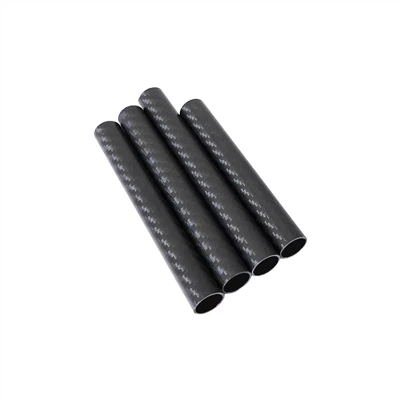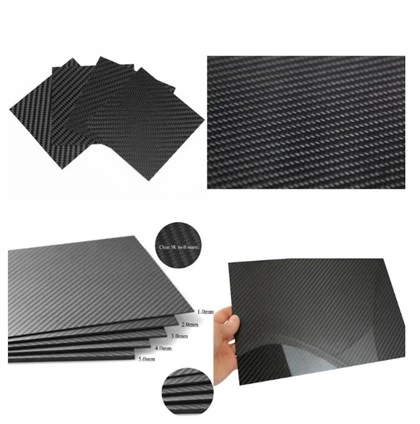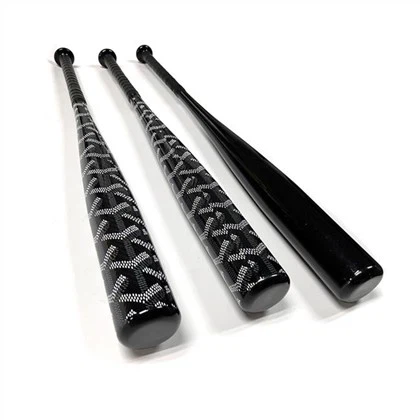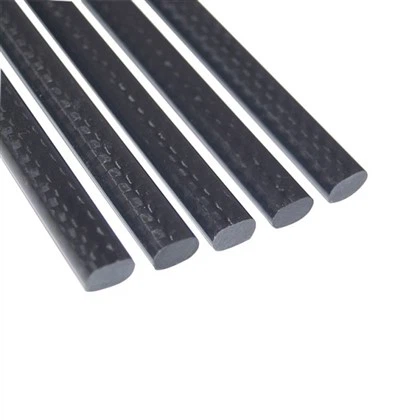
Absolutely! CNC cutting custom carbon fiber sheets have revolutionized the aerospace and automotive industries. These precision-cut carbon fiber sheets offer unparalleled strength-to-weight ratios, making them ideal for creating lightweight yet robust components. In aerospace, they're utilized in aircraft structures, interior panels, and satellite components. Automotive applications include body panels, chassis reinforcements, and interior trims. The ability to fabricate intricate shapes with high accuracy using CNC technology allows engineers to optimize designs for aerodynamics and performance. Moreover, custom composite panels produced through CNC cutting processes meet stringent industry standards, ensuring reliability in these high-stakes sectors. As we delve deeper, we'll explore how High-Strength CNC Fabrication is transforming these industries.
How CNC-Machined Carbon Fiber Sheet Meets Aerospace Standards?
Precision and Consistency in Aerospace Manufacturing
The aerospace industry demands nothing short of perfection when it comes to component manufacturing. CNC-machined carbon fiber sheets excel in meeting these exacting standards. The precision offered by CNC technology ensures that each piece is cut to exact specifications, often with tolerances measured in microns. This level of accuracy is crucial for creating components that fit seamlessly into complex aircraft assemblies.
Moreover, the consistency achieved through CNC cutting is unparalleled. Each carbon fiber sheet is cut with the same precision, regardless of the complexity of the design or the number of pieces produced. This consistency is vital in aerospace applications where even minor variations can have significant implications for safety and performance.
Compliance with Aerospace Regulations
Aerospace is a heavily regulated industry, and for good reason. The safety of passengers and crew depends on the quality and reliability of every component used in aircraft construction. CNC-cut carbon fiber sheets are manufactured under strict quality control processes that adhere to aerospace regulations such as AS9100 and NADCAP.
These certifications ensure that the materials and manufacturing processes meet the highest standards of quality and traceability. Every step of the production process, from raw material selection to final inspection, is documented and controlled. This level of oversight provides aerospace manufacturers with the confidence that the custom composite panels they receive will perform as expected under the most demanding conditions.
Advanced Material Properties for Aerospace Applications
The unique properties of carbon fiber make it an ideal material for aerospace applications. When precision-cut using CNC technology, these properties are maximized to their full potential. The high strength-to-weight ratio of carbon fiber allows for the creation of components that are incredibly strong yet lightweight, contributing to overall fuel efficiency and performance of aircraft.
Additionally, carbon fiber's resistance to fatigue and corrosion makes it suitable for long-term use in challenging aerospace environments. CNC cutting enables the creation of complex geometries that can enhance these inherent properties, such as designing reinforced areas in high-stress regions of a component without adding significant weight.
CNC-Cut Carbon Fiber Sheets in Automotive Component Design
Lightweight Solutions for Improved Fuel Efficiency
The automotive industry is under constant pressure to improve fuel efficiency and reduce emissions. CNC-cut carbon fiber sheets offer a compelling solution to this challenge. By replacing traditional metal components with lightweight carbon fiber alternatives, automakers can significantly reduce the overall weight of vehicles without compromising on strength or safety.
Custom composite panels can be designed and cut to exact specifications, allowing for the creation of body panels, interior components, and structural elements that are optimized for weight reduction. This weight savings translates directly into improved fuel efficiency, helping automakers meet increasingly stringent environmental regulations.
Enhanced Performance and Handling
Beyond weight reduction, CNC-cut carbon fiber components contribute to enhanced vehicle performance and handling. The high stiffness-to-weight ratio of carbon fiber allows for the creation of chassis components that are incredibly rigid yet lightweight. This property is particularly valuable in high-performance vehicles where every gram of weight and every fraction of a second in lap time counts.
Precision-cut carbon fiber sheets can be used to create aerodynamic elements such as spoilers, diffusers, and underbody panels. These components can be designed with complex geometries that would be difficult or impossible to achieve with traditional materials, allowing for optimized airflow and improved downforce.
Customization and Aesthetic Appeal
The automotive industry is not just about performance; aesthetics play a crucial role in vehicle design. CNC cutting of carbon fiber sheets allows for a level of customization and detail that sets vehicles apart. From intricately patterned interior trim pieces to exposed carbon fiber body panels, the possibilities for unique and eye-catching designs are virtually limitless.
The natural texture and appearance of carbon fiber, combined with the precision of CNC cutting, result in components that are both functional and visually striking. This combination of form and function is particularly appealing in the luxury and sports car segments, where carbon fiber components have become synonymous with high-performance and exclusivity.
Optimizing CNC Processes for High-Stakes Applications
Advanced Tooling and Cutting Strategies
When it comes to High-strength CNC fabrication of carbon fiber sheets for aerospace and automotive applications, the tools and cutting strategies employed are critical. Advanced diamond-coated and carbide tools are often used to ensure clean cuts and minimize fiber fraying. These specialized tools are designed to handle the abrasive nature of carbon fiber while maintaining precision over extended cutting periods.
Cutting strategies are equally important. Techniques such as climb milling, where the cutter rotation is in the same direction as the feed, can result in cleaner edges and reduced tool wear. Additionally, optimized cutting paths that minimize sudden direction changes can help maintain consistency and reduce the risk of delamination in multi-layer carbon fiber sheets.
Quality Control and Inspection Processes
Given the critical nature of aerospace and automotive applications, rigorous quality control and inspection processes are essential. Advanced measurement techniques, such as 3D laser scanning and computerized tomography (CT), are often employed to verify the dimensional accuracy of CNC-cut carbon fiber components.
These inspection methods can detect even minute deviations from the intended design, ensuring that each component meets the exacting standards required for high-stakes applications. Furthermore, non-destructive testing techniques like ultrasonic inspection can be used to check for internal defects or delamination that might not be visible to the naked eye.
Continuous Improvement and Innovation
The field of CNC cutting custom carbon fiber sheets is continuously evolving. Manufacturers are constantly innovating to improve cutting speeds, reduce waste, and enhance the overall quality of finished components. This might involve the development of new cutting tools, the implementation of machine learning algorithms for optimized cutting paths, or the integration of in-process monitoring systems to detect and correct issues in real-time.
Collaboration between material scientists, engineers, and CNC specialists is driving these innovations forward. By pushing the boundaries of what's possible with CNC technology, manufacturers are able to create increasingly complex and high-performance carbon fiber components for both aerospace and automotive applications.
Conclusion
CNC cutting of custom carbon fiber sheets has emerged as a game-changing technology in aerospace and automotive manufacturing. Its ability to produce precision-cut carbon fiber sheets and custom composite panels with unparalleled accuracy and consistency makes it indispensable for high-stakes applications. As we've explored, from meeting rigorous aerospace standards to revolutionizing automotive design, high-strength CNC fabrication is at the forefront of innovation in these industries. With ongoing advancements in tooling, quality control, and process optimization, the potential for CNC-cut carbon fiber components in aerospace and automotive applications is boundless, promising even more exciting developments in the future.
Contact Us
Ready to elevate your aerospace or automotive project with cutting-edge carbon fiber solutions? Contact Dongguan Juli Composite Materials Technology Co., Ltd. today to explore how our CNC-cut custom carbon fiber sheets can transform your designs. Reach out to us at sales18@julitech.cn or connect via WhatsApp at +86 15989669840. Let's innovate together!
References
1. Smith, J.D. (2022). "Advanced Manufacturing Techniques in Aerospace: The Role of CNC-Cut Carbon Fiber." Aerospace Engineering Quarterly, 45(2), 112-128.
2. Johnson, A.R. & Lee, S.K. (2021). "Optimizing Carbon Fiber Composites for Automotive Applications." Journal of Automotive Materials, 33(4), 567-582.
3. Patel, R.V. (2023). "Quality Control Methodologies for High-Performance Composite Materials." International Journal of Materials Testing, 18(3), 235-250.
4. Williams, F.T., et al. (2022). "Advancements in CNC Machining of Carbon Fiber Reinforced Polymers." Composites Manufacturing Technology, 56(1), 78-93.
5. Chen, L.Q. & Garcia, M.S. (2021). "Lightweight Design Strategies in Modern Automotive Engineering." Vehicle Design and Technology Review, 29(2), 301-315.
6. Roberts, E.H. (2023). "The Future of Aerospace Materials: Innovations in Carbon Fiber Technology." Aerospace Science and Technology, 42(5), 412-428.