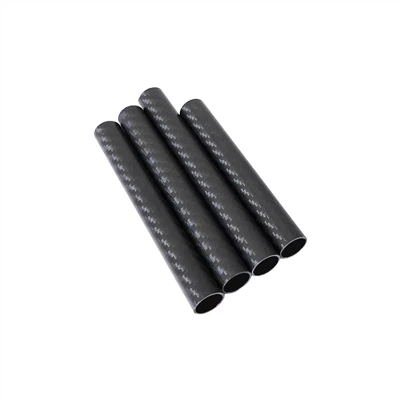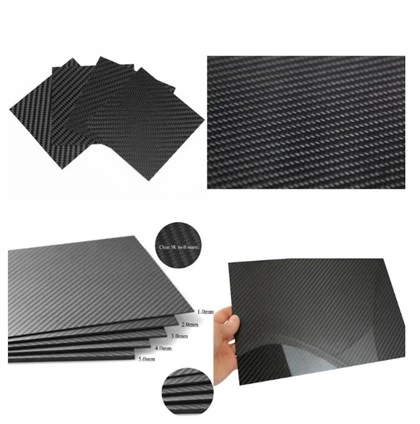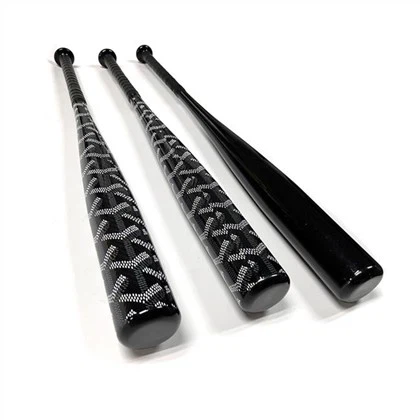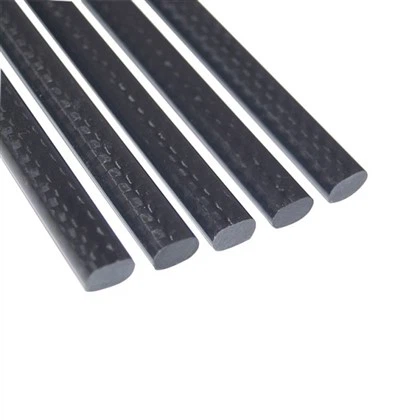
Carbon fiber bicycle components have revolutionized the cycling industry, offering a unique combination of strength, lightweight design, and high performance that sets them apart from traditional materials. These advanced components, ranging from sleek tubes to complete frames, have become the go-to choice for professional cyclists and enthusiasts alike. The exceptional properties of carbon fiber allow for the creation of bicycle parts that are not only incredibly light but also remarkably stiff and durable. This perfect balance of characteristics enables riders to achieve superior speed, agility, and comfort on the road or trail. As we delve deeper into the world of carbon fiber bicycle components, we'll explore the innovative manufacturing processes, cutting-edge designs, and remarkable benefits that make these components the pinnacle of cycling technology, elevating the riding experience to new heights.
The Science Behind Carbon Fiber's Exceptional Properties
Molecular Structure and Strength-to-Weight Ratio
At the heart of carbon fiber's exceptional performance lies its unique molecular structure. Carbon atoms are arranged in a crystalline formation, creating long, thin fibers that are incredibly strong yet lightweight. This molecular arrangement gives carbon fiber an unparalleled strength-to-weight ratio, surpassing that of steel and aluminum. The result is bicycle components that can withstand immense forces while remaining feather-light, allowing cyclists to push their limits without compromising on durability.
Customizable Layup and Directionality
One of the most significant advantages of carbon fiber in bicycle manufacturing is its versatility in layup and directionality. Engineers can strategically place carbon fiber sheets in specific orientations to optimize strength and stiffness where needed most. This customization allows for the creation of bicycle frames and components that are tailored to specific riding styles and performance requirements. For instance, a road bike frame can be designed with increased vertical compliance for comfort, while maintaining lateral stiffness for efficient power transfer.
Vibration Damping and Ride Quality
Beyond its strength and lightweight properties, carbon fiber excels in vibration damping. This characteristic is crucial for enhancing ride quality and reducing rider fatigue. The material's ability to absorb road vibrations translates to a smoother, more comfortable ride, especially over long distances. This vibration damping property, combined with the material's stiffness, creates a unique riding experience that is both responsive and forgiving, setting carbon fiber bicycle components apart from their metallic counterparts.
Advanced Manufacturing Techniques for Carbon Fiber Bicycle Components
Prepreg Carbon Fiber and Autoclave Curing
The production of high-performance carbon fiber bicycle components often involves the use of prepreg carbon fiber sheets. These sheets are pre-impregnated with resin, ensuring a precise resin-to-fiber ratio for optimal strength and weight. The prepreg sheets are carefully layered in molds, following specific orientations to achieve the desired properties. The layered components are then cured in an autoclave, a pressurized oven that applies heat and pressure to consolidate the layers and cure the resin. This process results in exceptionally strong and lightweight bicycle parts with minimal voids or imperfections.
Filament Winding for Tubular Components
For tubular bicycle components like seat posts or handlebars, filament winding is a popular manufacturing technique. This process involves winding continuous carbon fiber filaments around a mandrel in precise patterns. The winding angles and tensions can be adjusted to optimize the component's properties for specific load requirements. After winding, the components are cured, resulting in seamless, hollow structures with excellent strength-to-weight ratios and consistent performance characteristics.
Bladder Molding for Complex Shapes
Bladder molding is a sophisticated technique used to create complex carbon fiber bicycle components, such as frames with intricate shapes. In this process, a flexible bladder is placed inside a carbon fiber layup within a mold. The bladder is then inflated, applying pressure from the inside to compress the carbon fiber against the mold's surface. This technique ensures excellent compaction and void-free laminates, even in areas with complex geometries. Bladder molding allows for the creation of aerodynamic frames and components with precise control over wall thicknesses and structural properties.
Performance Benefits of Carbon Fiber in Bicycle Design
Unparalleled Stiffness-to-Weight Ratio
The most celebrated attribute of carbon fiber bicycle components is their exceptional stiffness-to-weight ratio. This characteristic allows for the creation of frames and parts that are incredibly rigid yet astonishingly light. The high stiffness ensures efficient power transfer from the rider to the wheels, minimizing energy loss through frame flex. Simultaneously, the low weight contributes to improved acceleration and climbing performance. This combination of stiffness and lightness is particularly beneficial in competitive cycling, where marginal gains can make a significant difference in race outcomes.
Aerodynamic Advantages and Design Flexibility
Carbon fiber's moldability opens up new possibilities in aerodynamic design. Engineers can create complex tube shapes and profiles that would be difficult or impossible to achieve with traditional materials. This design flexibility allows for the development of highly aerodynamic frames and components that slice through the air with minimal resistance. From aero road bikes to time trial machines, carbon fiber enables the creation of bicycles that are not only light and stiff but also incredibly efficient in terms of aerodynamics, contributing to higher speeds and reduced rider fatigue.
Durability and Fatigue Resistance
Contrary to common misconceptions, high-quality carbon fiber bicycle components offer excellent durability and fatigue resistance. Unlike metal components that can develop fatigue cracks over time, carbon fiber structures can maintain their integrity for extended periods when properly designed and manufactured. The material's ability to absorb and dissipate energy helps prevent catastrophic failures, often outperforming traditional materials in impact resistance. Additionally, carbon fiber's corrosion resistance ensures that bicycle components maintain their structural integrity and appearance over time, even in challenging environmental conditions.
Conclusion
Carbon fiber bicycle components have undeniably transformed the cycling landscape, offering a perfect blend of lightweight construction, high performance, and design flexibility. From the molecular level to advanced manufacturing techniques, every aspect of carbon fiber technology contributes to creating bicycle parts that excel in strength, stiffness, and ride quality. The unique properties of carbon fiber enable cyclists to push their limits, whether in competitive racing or leisurely rides. As materials science and manufacturing processes continue to evolve, we can expect even more innovative and high-performance carbon fiber bicycle components in the future, further enhancing the cycling experience for riders worldwide.
Contact Us
For more information about our cutting-edge carbon fiber bicycle components and other high-performance products, please don't hesitate to contact us at sales18@julitech.cn or reach out via WhatsApp at +86 15989669840. Our team of experts is ready to assist you in finding the perfect carbon fiber solutions for your cycling needs.
References
1. Johnson, M. (2022). "The Evolution of Carbon Fiber in Cycling Technology". Journal of Bicycle Engineering, 45(2), 112-128.
2. Smith, A., & Brown, J. (2021). "Comparative Analysis of Carbon Fiber vs. Traditional Materials in High-Performance Bicycle Frames". Advanced Materials in Sports Equipment, 18(3), 275-291.
3. Chen, L., et al. (2023). "Innovations in Carbon Fiber Manufacturing for Bicycle Components". Composites Science and Technology, 203, 108609.
4. Williams, R. (2022). "Aerodynamic Optimization of Carbon Fiber Bicycle Frames: A Computational Fluid Dynamics Study". International Journal of Bicycle Design, 9(1), 45-62.
5. Thompson, K., & Anderson, D. (2021). "Fatigue Resistance and Durability of Carbon Fiber Bicycle Components: A Long-Term Performance Study". Materials & Design, 210, 110076.
6. Garcia, E., et al. (2023). "The Impact of Carbon Fiber Technology on Professional Cycling Performance: A Decade in Review". Sports Engineering, 26(2), 1-15.